
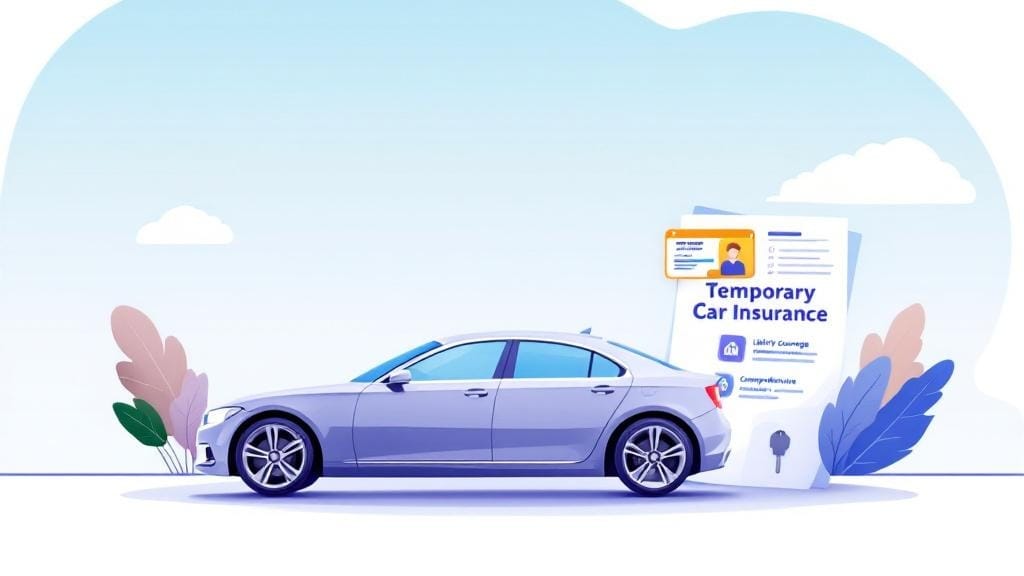
When it comes to car insurance, most people think long-term policies are the only option. However, there are times when you might need temporary car insurance, whether it’s for borrowing a friend’s vehicle, renting a car, or simply covering your car for a short period. In this comprehensive guide, we’ll explain everything you need to know about getting temporary car insurance, from understanding the different types of coverage to finding the best deals for insurance for temporary car use.
What is Temporary Car Insurance?
Temporary car insurance (also called short term car insurance) is a type of auto insurance policy that provides coverage for a short duration, typically ranging from a day to a few months. It’s designed for situations where you need to insure a vehicle but don’t require a full year-long policy. This type of insurance is perfect for:
-
Borrowing a friend’s or family member’s car
-
Renting a vehicle
-
Driving a car you don’t own
-
Test driving a car before purchase
-
Short-term coverage while traveling
This kind of coverage offers flexibility and can be a cost-effective option when you’re only using a vehicle temporarily.
Why Choose Temporary Car Insurance?
There are several situations where temporary vehicle insurance can be beneficial:
-
Short-Term Coverage: If you only need coverage for a day, week, or month, it’s often more affordable than committing to a full-year policy.
-
Car Borrowing: If you’re borrowing a car from a friend or relative and want to make sure you’re covered in case of an accident, insurance for borrowing a car is ideal.
-
Rental Car Coverage: Most rental cars come with basic insurance, but if you need additional coverage, temporary policies can be added for extra peace of mind.
-
Trial Period for Car Ownership: If you’re considering buying a new car, you might want a short-term policy to test drive it.
Types of Temporary Car Insurance Policies
When considering temporary car insurance, you can choose from several types based on your needs and the policy duration. Let’s explore some of the most common options.
1. One Day Car Insurance (Car Insurance for a Day)
If you’re only driving a car for a single day, one day car insurance is the perfect solution. It provides comprehensive coverage for 24 hours, protecting you against damages, theft, and liability issues.
-
Ideal for: Borrowing a car, special occasions, test driving, or renting a car.
-
Coverage: Offers similar coverage to a standard policy, including liability coverage, comprehensive coverage, and collision coverage.
2. Weekly Car Insurance
For situations where you need coverage for a week or less, weekly car insurance is available. This policy is perfect for short trips, vacations, or temporary use of a vehicle for a few days.
-
Ideal for: Road trips, short-term rentals, or borrowing a vehicle for a week.
-
Coverage: Includes liability, comprehensive, and sometimes uninsured motorist protection.
3. Monthly or Month-to-Month Car Insurance
For those who need coverage for longer than a week but don’t want to commit to a full year, month-to-month car insurance is an excellent choice. It’s flexible, as you can renew your policy each month without being locked into a long-term commitment.
-
Ideal for: Extended stays in another location, temporary work use of a vehicle, or waiting for a more permanent insurance option to kick in.
-
Coverage: Offers more comprehensive coverage than one-day or weekly insurance, but can be tailored to your needs.
4. Rental Car Insurance
When you rent a car, many rental companies offer their own rental car insurance options. However, you might prefer to get temporary vehicle insurance from an independent provider, especially if you want additional coverage or if you’re planning to drive in areas not covered by the rental company’s policy.
-
Ideal for: People renting cars for vacations, business trips, or long-distance travel.
-
Coverage: Includes liability, collision damage waiver (CDW), and personal accident insurance.
How Does Temporary Car Insurance Work?
Getting temporary car insurance is straightforward. The process typically involves the following steps:
-
Choose the Coverage Type: Decide on the type of coverage you need based on your situation—whether it’s for one day, a week, or a month.
-
Provide the Vehicle Details: The insurance provider will ask for details about the vehicle you’re insuring, such as its make, model, year, and Vehicle Identification Number (VIN).
-
Check Driver’s License Requirements: You’ll need a valid driver’s license to qualify for temporary car insurance. Some policies may have specific requirements based on your age or driving history.
-
Get a Quote: Based on the coverage type, vehicle, and duration, the insurer will provide you with a quote. Temporary insurance policies are generally cheaper than full-year policies but can vary depending on your needs.
-
Purchase and Receive Proof of Insurance: Once you’ve reviewed the terms and are satisfied with the quote, you can purchase the policy. The insurer will provide proof of insurance, which you may need to show when renting or borrowing a car.
Key Benefits of Temporary Car Insurance
Temporary car insurance offers several advantages, including:
-
Flexibility: You can tailor the duration of the policy to suit your needs, whether you need coverage for a day or a few months.
-
Cost-Efficiency: It’s often more affordable than purchasing a full-year policy for short-term vehicle use.
-
No Long-Term Commitment: You’re not locked into a long-term contract, which is perfect for temporary situations.
-
Comprehensive Coverage: Temporary policies can offer the same coverage options as long-term auto insurance, including collision, comprehensive, and liability coverage.
Factors to Consider Before Purchasing Temporary Car Insurance
Before purchasing temporary car insurance, keep these factors in mind:
-
Coverage Limits: Make sure the policy provides enough coverage for your needs, including both liability coverage and comprehensive coverage. If you’re renting a car, confirm whether the rental company’s insurance will cover the vehicle.
-
Age and Driving History: Some insurers may have age restrictions or charge higher rates for drivers under 25 or with a history of accidents or traffic violations.
-
Proof of Insurance: When borrowing or renting a car, make sure to have proof of insurance to avoid any legal complications.
-
Policy Duration: Choose a policy that fits the duration of your temporary car use. Most providers offer flexibility to extend the coverage if needed.
Frequently Asked Questions (FAQs)
1. Can I get temporary car insurance without owning a car?
Yes, you can get insurance for temporary car use even if you don’t own a car. Temporary insurance is often used for rental cars, borrowed vehicles, or test-driving a car you’re considering buying.
2. How much does temporary car insurance cost?
The cost of temporary vehicle insurance depends on factors such as the type of coverage, the vehicle being insured, your driving history, and the policy duration. Typically, one day car insurance can cost anywhere from $10 to $30, while longer policies like monthly car insurance may range from $50 to $100 per month.
3. Is temporary car insurance the same as rental car insurance?
Not exactly. While rental car insurance is offered by rental companies, temporary car insurance can be purchased from independent insurers and provides more flexibility and often more comprehensive coverage.
4. What type of coverage is included in temporary car insurance?
Most temporary car insurance policies offer liability coverage, collision coverage, and comprehensive coverage. You can also add uninsured motorist or personal injury protection depending on the provider and policy options.
5. Can I extend my temporary car insurance policy?
Yes, many insurers allow you to extend your policy if you need coverage for a longer period. Be sure to check the terms and conditions of your policy for renewal options.





Comments (0)