

Running a business requires you to take care of numerous details, and one of the often overlooked aspects is securing the right auto insurance for business use. Whether you’re using a car, van, or even a fleet of vehicles for business operations, having the proper coverage is essential to protect your business and employees. In this article, we’ll explore the different types of business vehicle insurance options available, explain key terms like commercial auto insurance and company car insurance, and help you make an informed decision about the best insurance plan for your business.
Why Auto Insurance for Business Use is Important
When it comes to protecting your business vehicles, having the right insurance isn’t just a legal requirement—it also ensures peace of mind. Business use car insurance helps cover the costs of accidents, theft, and other unexpected incidents, protecting your business from financial loss. Without adequate coverage, you could end up facing significant out-of-pocket expenses or legal battles.
Moreover, if your employees use company vehicles for work-related driving, it’s even more important to secure the right kind of protection. Commercial auto insurance is designed to cover vehicles that are used primarily for business purposes, whether you’re using them for deliveries, meetings, or transporting goods.
Common Business Vehicles That Need Insurance
-
Company Cars – These are vehicles specifically used for business operations.
-
Fleet Vehicles – Larger companies may use multiple vehicles, often requiring fleet auto insurance to cover the entire group.
-
Delivery Vans – If you own a delivery business, having business auto liability insurance is critical.
-
Employee-Driven Vehicles – If your employees use their own cars for work, make sure their insurance covers them under the business umbrella.
Types of Business Vehicle Insurance Plans
There are several types of auto insurance plans that businesses can consider, depending on the nature of their work. Let’s break down the different coverage options.
1. Commercial Auto Insurance
This is a broad category of insurance for business cars that covers vehicles used for business purposes. Commercial auto insurance provides protection for business-owned vehicles, including cars, trucks, and vans, in case of accidents, damages, or theft. The key benefits include:
-
Coverage for business use vehicles, whether owned or rented
-
Protection for damages caused by employee drivers
-
Coverage for work-related driving accidents
-
Liability protection
2. Business Auto Liability Insurance
Business auto liability insurance is one of the most basic forms of coverage for companies. It protects your business from legal and financial consequences if your business vehicle causes property damage or bodily injury to others. There are two main types of liability coverage:
-
Bodily Injury Liability – Covers medical expenses and compensation if someone is injured in an accident involving your business vehicle.
-
Property Damage Liability – Pays for damages caused to another person’s property.
3. Commercial Vehicle Coverage
For businesses that operate large fleets, commercial vehicle coverage is vital. This type of insurance covers a variety of commercial vehicles, including trucks, vans, and even specialty vehicles. It provides coverage for:
-
Accidents that occur during business operations
-
Theft or vandalism
-
Damage caused by natural disasters or unexpected incidents
-
Comprehensive and collision coverage
4. Collision and Comprehensive Coverage
These two types of insurance protect business vehicles from specific types of damage:
-
Collision Coverage – Pays for damages to your vehicle after a collision, regardless of fault.
-
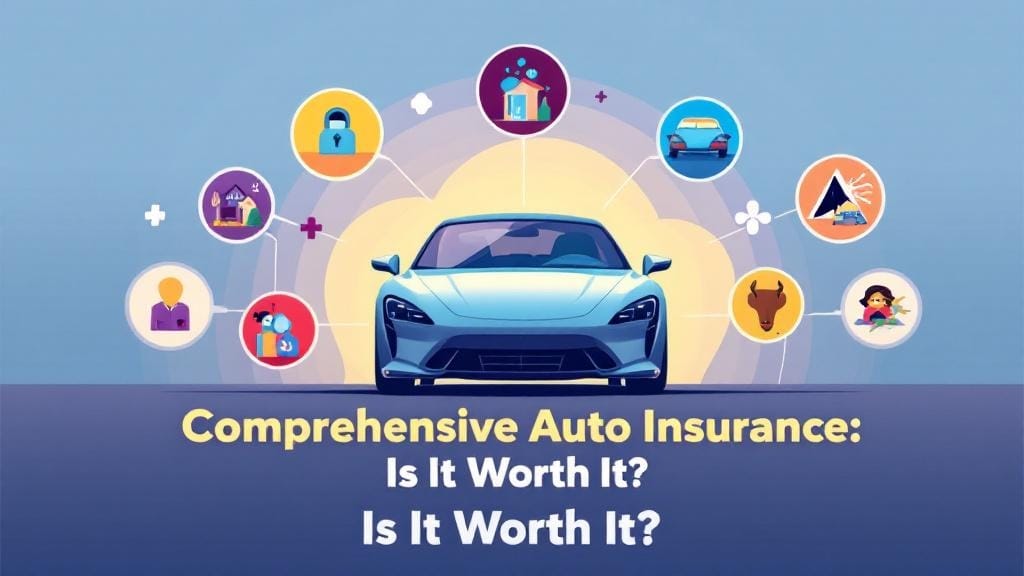
Comprehensive Coverage – Covers damages caused by non-collision incidents such as vandalism, theft, or natural disasters.
Both of these coverages can be included in your commercial vehicle insurance plan or offered as standalone policies.
5. Fleet Auto Insurance
If your business owns a fleet of vehicles, it’s essential to consider fleet auto insurance. Fleet insurance offers bulk coverage for multiple vehicles, simplifying the process of managing insurance for your company’s transportation needs. This type of insurance may also come with discounted premiums for covering multiple vehicles under one policy.
Key Considerations for Choosing the Right Auto Insurance Plan
When shopping for auto insurance for business use, there are several important factors to keep in mind. These can affect both your insurance premium and the level of coverage you need.
1. Types of Vehicles Covered
Make sure your insurance policy covers all types of vehicles used in your business. If you have a mix of vehicles, such as company cars, delivery vans, and trucks, ensure your plan accommodates them.
2. Employee Driver Coverage
If your employees drive company vehicles, you’ll need to confirm whether their driving history and the type of use (personal vs. business) affect your coverage. Some insurers offer additional coverage for employees, while others may require separate policies for employee drivers.
3. Insurance Deductible
An insurance deductible is the amount you pay out-of-pocket before your insurance policy covers the rest of the costs. Choosing a higher deductible can lower your premiums, but it also means you’ll pay more if a claim arises. Evaluate your budget and risk tolerance when deciding on your deductible.
4. Comprehensive and Collision Coverage
Both collision coverage and comprehensive coverage protect your vehicles from different types of incidents. However, not all businesses may need both. For instance, a business using its vehicles for short city trips may prioritize business auto liability insurance over comprehensive coverage.
5. Fleet Management Needs
If you’re managing a fleet of vehicles, it’s important to consider fleet management tools that can help monitor driver behavior, maintenance, and performance. Some insurance companies offer discounts for businesses that implement these tools, which can reduce risks and improve overall fleet safety.
How Much Does Auto Insurance for Business Use Cost?
The cost of small business auto insurance varies depending on several factors, including:
-
The size and type of your business
-
The number and type of vehicles covered
-
The driving history of the employees using the vehicles
-
The level of coverage chosen (e.g., liability vs. comprehensive)
In general, businesses with a small fleet or a few company cars can expect to pay anywhere from $500 to $2,000 annually per vehicle for commercial vehicle insurance. However, for larger fleets, costs can go higher.
FAQs: Everything You Need to Know About Business Vehicle Insurance
1. Do I need auto insurance for business use if I only use my personal vehicle for work?
Yes, even if you use your personal vehicle for business purposes, it’s important to have business use car insurance. Personal auto insurance may not cover work-related accidents, which could leave your business vulnerable.
2. Can I add a driver to my business vehicle insurance?
Yes, most commercial auto insurance plans allow you to add additional drivers to your policy. This is particularly useful if employees or contractors regularly drive company vehicles.
3. How does liability coverage work for business vehicles?
Liability coverage protects your business in the event that a business vehicle causes damage or injury to others. It typically includes both bodily injury and property damage coverage, helping to cover the costs associated with accidents involving your vehicles.
4. What’s the difference between fleet insurance and individual vehicle insurance?
Fleet insurance covers multiple vehicles under a single policy, providing convenience and potential savings. Individual vehicle insurance, on the other hand, is specific to one vehicle. If you have more than one business vehicle, fleet auto insurance is usually more cost-effective.
5. Can I customize my business vehicle insurance policy?
Yes, most insurance providers allow you to tailor your business vehicle insurance policy to your needs. You can add additional coverage options such as employee driver coverage or specialized protection for specific types of vehicles.





Comments (0)