

When it comes to car insurance for sports cars, finding the right plan can often feel like navigating a maze. Luxury and high-performance vehicles come with unique needs and considerations that differentiate them from your average car. But with the right coverage, you can protect your prized sports car from unforeseen events, ensuring you’re covered no matter the situation. This guide will break down everything you need to know about insuring a sports car, including what to look for in a policy, how to compare rates, and the factors that influence your premium.
Why Is Car Insurance for Sports Cars So Important?
Sports cars are typically more expensive than your standard vehicle, both in terms of the car itself and the cost of repairs or replacement parts. High-performance vehicles often feature advanced technology, specialized parts, and materials that can increase repair costs. As such, sports car insurance isn’t just about fulfilling a legal requirement—it’s a crucial safety net for owners.
Additionally, sports cars tend to have higher theft risks due to their desirability. This, combined with the fact that many sports car owners tend to drive more aggressively, means premiums are generally higher. So, choosing the right insurance for your high-performance car is critical.
What’s the Best Car Insurance for Sports Cars?
When shopping for the best car insurance for sports cars, it’s important to consider both the coverage options and the reputation of the sports car insurance companies you’re looking at. Below are some top features to consider:
1. Comprehensive Coverage
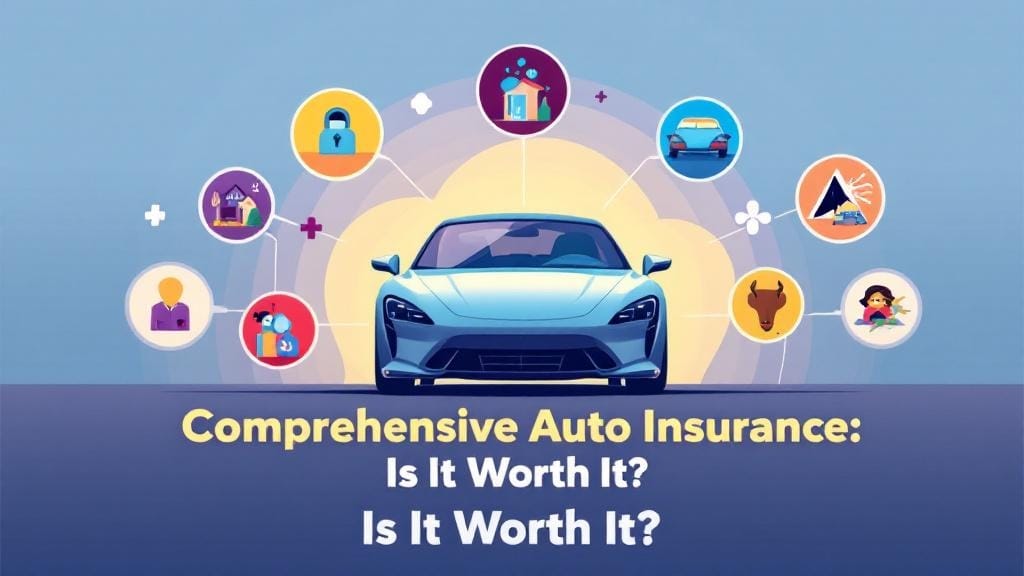
Comprehensive coverage protects against damage caused by events other than a collision, such as theft, vandalism, or natural disasters. Sports cars are prime targets for theft, so ensuring your vehicle has affordable sports car coverage that includes this protection is a wise choice.
2. Collision Coverage
While comprehensive coverage protects against non-collision events, collision coverage covers damage caused by an accident. For high performance car insurance, this coverage ensures that any damage to your sports car—whether you’re at fault or not—is taken care of.
3. Liability Insurance
Liability insurance is required by law in most states. It covers injuries and damages to others in the event of an accident where you’re at fault. Given the driving record impact sports car owners can experience, ensuring that your policy includes adequate liability protection is essential.
4. Uninsured/Underinsured Motorist Coverage
Some sports car drivers might not have adequate insurance. This type of coverage protects you in case of an accident involving a driver with insufficient or no insurance.
5. Custom Parts and Equipment Coverage
Many sports cars come with modified or custom parts that increase their value. If you’re looking for insurance for fast cars, make sure the policy includes coverage for those modifications to avoid financial loss if something happens to your vehicle.
Factors That Affect Sports Car Insurance Rates
The sports car insurance rates you pay will vary depending on several factors:
1. Vehicle Model and Make
Luxury vehicles, especially sports cars, often come with higher premiums due to their higher repair and replacement costs. For instance, insuring a Ferrari or Lamborghini will cost more than insuring a Mazda MX-5 due to the former’s repair costs and theft risk.
2. Engine Size and Insurance Costs
The engine size and insurance costs are directly related. Sports cars typically have larger engines or more horsepower, which can make them more expensive to insure. Insurance companies view cars with larger engines as more of a risk, both because they are faster and because their repair costs are typically higher.
3. Vehicle Safety Features
Modern sports cars come with advanced safety features such as automatic emergency braking, lane-keeping assist, and traction control. These sports car safety features can help lower your premium, as they reduce the risk of an accident.
4. Your Driving Record
If you have a clean driving record, you’ll likely pay less for insurance. On the other hand, if you’ve had accidents or traffic violations, especially speeding tickets, your premiums may increase. High-risk auto insurance may be necessary if your driving history is less than perfect.
5. Insurance Group Rating
In the UK, cars are assigned an insurance group rating, which helps insurers determine how much risk they are taking on. Cars in lower insurance groups are typically cheaper to insure, while sports cars in higher groups, which are considered higher-risk, tend to have higher premiums.
6. Location
Where you live also plays a significant role in determining your sports car insurance policy. If you live in an area with high theft rates or a lot of traffic accidents, expect to pay more for coverage.
How to Compare Sports Car Insurance Quotes
When shopping for the right sports car insurance quotes, it’s essential to compare different providers to find the most affordable option that still meets your needs.
1. Get Multiple Quotes
Don’t settle for the first quote you receive. Use online comparison tools, visit insurance websites, and speak with agents to gather multiple quotes. This helps you get an idea of what your premiums will look like.
2. Look for Discounts
Many insurers offer discounts for things like bundling home and auto insurance, maintaining a safe driving record, or having anti-theft devices installed. Cheap sports car insurance may be available if you take advantage of these discounts.
3. Check the Reputation of the Insurer
Don’t just focus on the price. Make sure you’re working with a reputable insurance company. Research customer reviews, claims processes, and the insurer’s overall reputation in the industry.
4. Evaluate Coverage Options
Compare not only the prices but also the coverage options. A cheaper policy may leave you underinsured, which could cost you more in the long run. Ensure that all the essential coverages—such as collision, comprehensive, liability, and custom parts coverage—are included.
FAQs About Sports Car Insurance
1. What is the average cost of sports car insurance?
The average cost of sports car insurance varies based on factors like vehicle make and model, driving history, and location. On average, you can expect to pay anywhere from $1,000 to $3,000 per year for coverage.
2. Does engine size affect sports car insurance rates?
Yes. Engine size and insurance costs are often linked, with larger engines leading to higher premiums. This is because larger engines usually mean more horsepower and speed, which can increase the risk of accidents.
3. Is it possible to find affordable sports car coverage?
Yes, but it may require some effort. By comparing quotes, looking for discounts, and choosing a higher deductible, you can find more affordable sports car coverage without sacrificing essential protections.
4. How does my driving record impact sports car insurance rates?
A clean driving record typically leads to lower premiums. However, if you have a history of accidents or traffic violations, especially speeding tickets, your insurance rates will likely be higher.
5. Should I get classic car insurance for my sports car?
If your sports car is a rare or classic model, you may want to consider classic car insurance. This type of policy often provides more specialized coverage that takes into account the car’s collector value.





Comments (0)