
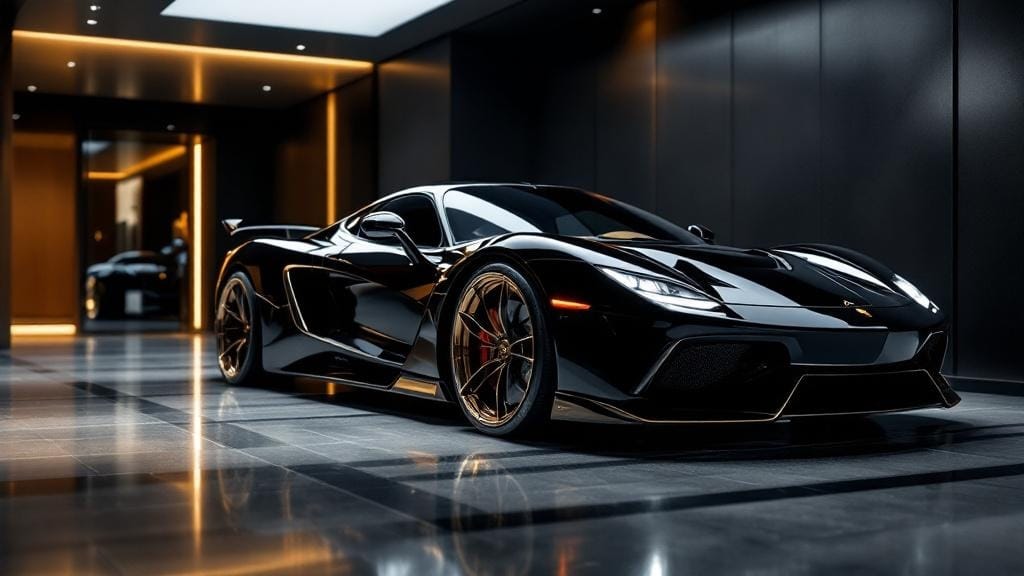
When it comes to owning a high-value car, whether it’s a luxury vehicle, exotic car, or a collector’s item, ensuring that your prized possession is properly covered is essential. Not only do these cars represent a significant financial investment, but they also carry unique risks that require specialized insurance. In this article, we will discuss the ins and outs of auto insurance for high-value cars, and provide you with valuable insights on the right coverage to protect your car.
Whether you’re a car enthusiast, collector, or simply someone who enjoys driving a premium vehicle, understanding luxury car insurance, exotic car insurance, and other specialized policies is key to securing your investment.
Why Do High-Value Cars Need Special Insurance?
High-value cars, which can include luxury cars, exotic cars, and supercars, are not like your average vehicles. These cars come with unique risks, and they typically have higher repair costs, greater depreciation, and a limited market for replacement parts. As a result, they require specialized insurance coverage to ensure that you’re adequately protected.
Here are some reasons why regular car insurance just won’t cut it for high-value cars:
Higher Repair and Replacement Costs
Luxury vehicles and exotic cars often require custom parts and skilled mechanics, making repairs significantly more expensive than regular cars. Premium vehicle insurance offers coverage that reflects the higher repair costs.
Risk of Theft and Vandalism
Exotic cars are often targeted by thieves due to their high resale value. Insurance for exotic cars typically includes specialized coverage for theft and vandalism.
Customizations and Aftermarket Modifications
Many owners of high-value vehicles make customizations that increase their car’s value. If your car includes custom parts, a standard policy may not cover them. Specialized policies like collector car insurance and supercar insurance are designed to cover these modifications.
Limited Mileage and Garaging Requirements
Some policies for high-end auto insurance come with mileage limits and specific garaging requirements. For example, track day insurance might only cover your car if it’s stored in a climate-controlled garage, or if it’s used sparingly throughout the year.
Key Types of Insurance for High-Value Cars
When it comes to high-value vehicle insurance, you want to make sure your policy includes specific coverages tailored to your car’s needs. Below are some of the most common types of coverage that you should consider when insuring your luxury or exotic vehicle.
1. Comprehensive Coverage for High-Value Cars
One of the most essential coverages is comprehensive coverage, which protects against damage not caused by a collision, including theft, vandalism, and natural disasters. It’s a must-have for anyone insuring a luxury car or supercar.
Real-Life Example:
Imagine you’re at a car show, and a hailstorm suddenly hits. With comprehensive coverage, your high-value vehicle insurance will cover the repair costs for hail damage, ensuring you’re not left with a hefty bill.
2. Agreed Value Policy vs. Actual Cash Value (ACV)
With luxury and exotic car insurance, you may be offered an agreed value policy or an actual cash value (ACV) policy. The difference between the two is crucial:
-
Agreed Value Policy: The insurer and the policyholder agree on the car’s value at the time the policy is written. If the car is totaled, the insurer will pay the agreed-upon value, regardless of depreciation.
-
Actual Cash Value (ACV): The insurer pays out the current market value of the car, which includes depreciation.
For collector car insurance or supercar insurance, an agreed value policy is typically recommended, as it ensures that you get the car’s true worth, especially if it’s a rare or highly customized model.
3. Diminished Value Coverage
When a luxury car or exotic vehicle is involved in an accident, its market value can decrease even if the car is repaired. Diminished value coverage ensures that the car’s depreciation from the accident is covered. This is especially important for high-value cars where the resale value may drop significantly after an accident.
4. OEM Parts Coverage
For high-value vehicles, the use of OEM (Original Equipment Manufacturer) parts is crucial when making repairs. OEM parts maintain the car’s original performance and value. Many high-end insurance policies offer OEM parts coverage, ensuring that only original parts are used in repairs after a claim.
Real-Life Example:
If your exotic car is involved in a collision, OEM parts coverage ensures that the repair shop will use original parts that match the exact specifications of your vehicle. This is particularly important for supercar insurance where performance and authenticity are paramount.
5. Track Day Insurance
For car enthusiasts who take their luxury cars or exotic cars to the track, track day insurance is essential. Standard auto insurance policies typically won’t cover accidents that happen during a track day, which is why specific coverage is needed. Track day insurance ensures that you’re protected when taking your high-value car for a spin on the racetrack.
6. Insurance for Exotic Vehicle Theft Protection
Exotic cars are prime targets for thieves. Exotic vehicle theft protection ensures that if your car is stolen, you can get a replacement or reimbursement for its value. Many luxury car insurance policies offer this type of coverage.
Common Features of High-Value Car Insurance Policies
When shopping for high-value vehicle insurance, there are several features that you should look for to ensure you’re getting the best coverage:
Mileage Limits
Many policies, particularly for collector car insurance and luxury car insurance, impose mileage limits to keep premiums low. If you plan to use your high-value car daily, be sure to check the mileage limits and choose a policy that suits your driving habits.
Garaging Requirement
Some insurance policies require that your high-value car be stored in a secure, climate-controlled garage. This helps mitigate the risks of weather-related damage and theft. If you’re unsure about the garaging requirement, be sure to clarify with your insurer.
Concierge Claims Service
A premium feature available with some supercar insurance policies is a concierge claims service. This means you’ll have a dedicated representative to assist you with the claims process, ensuring that everything runs smoothly and efficiently.
How to Get a High-Value Vehicle Insurance Quote
When it comes to getting a high-value vehicle insurance quote, there are a few things you can do to ensure you’re getting the best deal:
-
Get a Market Value Appraisal: Have your car professionally appraised to ensure that your policy reflects its true market value.
-
Compare Multiple Quotes: Don’t settle for the first quote you receive. Compare offers from different insurers that specialize in luxury vehicle insurance to find the best coverage.
-
Consider Endorsements: Look into policy endorsements (add-ons) that can tailor your coverage even further, such as protection for custom parts or increased liability limits.
FAQs About Insuring High-Value Cars
1. What type of insurance do I need for a luxury car?
For a luxury car, you’ll want specialized luxury car insurance that includes comprehensive coverage, OEM parts coverage, and diminished value protection. You may also need an agreed value policy for high-end vehicles.
2. How much does it cost to insure a supercar?
The cost to insure a supercar depends on several factors, including the car’s value, your driving history, and the type of coverage you choose. Expect to pay higher premiums due to the increased risks and repair costs associated with high-value cars.
3. What is the best insurance for an exotic car?
The best insurance for an exotic car includes exotic car insurance policies that offer comprehensive coverage, theft protection, and OEM parts coverage. These policies are tailored to the unique risks of owning an exotic vehicle.
4. Can I insure a classic or collector car?
Yes, you can insure a collector car with specialized collector car insurance that offers agreed value policies and coverage for customizations. This type of insurance is designed to protect cars that are rare or of significant historical value.
5. What does track day insurance cover?
Track day insurance covers damage to your luxury car or exotic car while participating in track events. It’s specifically designed for high-performance vehicles driven on race tracks, where standard car insurance policies may not apply.





Comments (0)