
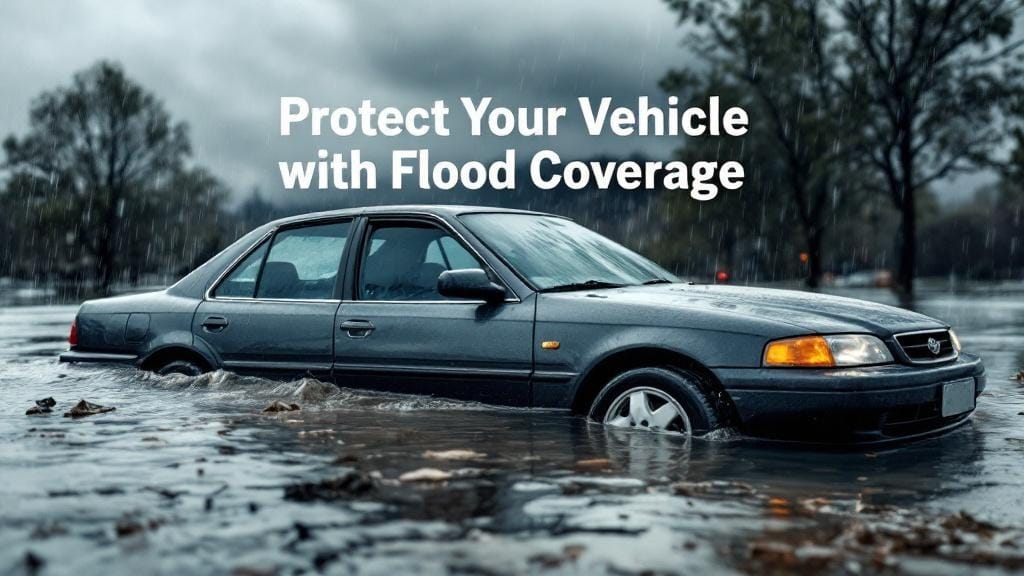
In today’s rapidly changing climate, car insurance with flood coverage is more important than ever. Natural disasters, including flash floods and extreme storms, have become more frequent, leaving vehicles at risk of significant damage. While standard car insurance policies can cover some types of damage, only specialized insurance plans—such as comprehensive car insurance with flood coverage—can ensure your vehicle’s protection in the event of flooding.
Whether you live in an area prone to floods or are simply preparing for unpredictable weather, understanding how flood coverage works and how to choose the right insurance policy can save you a lot of stress and financial burden. In this guide, we’ll explore everything you need to know about car insurance with flood coverage, including how it works, what it covers, and how to choose the best plan for your needs.
What Is Car Insurance with Flood Coverage?
Car insurance with flood coverage refers to a specific type of auto insurance that provides protection against flood-related damage to your vehicle. Flood damage can be caused by a variety of events, such as heavy rain, rising water levels, flash floods, or even coastal flooding caused by storms. Without the right insurance, the cost to repair or replace your vehicle can be overwhelming.
Comprehensive Car Insurance vs. Flood Coverage
To clear up any confusion, it’s essential to distinguish between different types of coverage:
-
Comprehensive Car Insurance: This coverage typically includes protection against natural disasters, theft, vandalism, and falling objects. Flood damage is usually covered under comprehensive insurance, but you should confirm with your insurer.
-
Flood-Specific Coverage: Some insurers offer an add-on to comprehensive policies that specifically targets flood damage. This can cover the cost of repairs to water-damaged vehicles or even replace the car if it’s deemed a total loss.
Why Do You Need Car Insurance for Flood Damage?
Floods can cause severe and costly damage to your vehicle, often leaving it beyond repair. Without the proper insurance, you may end up paying out-of-pocket for repairs, which can be financially draining. Here’s why investing in car insurance with flood coverage is so important:
The Risk of Floods is Growing
Thanks to climate change and changing weather patterns, the frequency and severity of floods are increasing. Areas that were once considered low-risk are now facing flash floods and heavy rainfall. If your vehicle is caught in a flood, the cost of repairs can be astronomical, especially if water reaches sensitive components like the engine, transmission, and electrical systems.
Flood Damage Is Expensive to Repair
Even a few inches of water can cause significant damage to your car’s interior and engine. Water damage can ruin upholstery, carpets, and electrical systems, not to mention the possibility of rust setting in over time. In many cases, the damage can be so severe that the vehicle is considered a total loss.
Protection Against Natural Disasters
Flooding is just one type of natural disaster that can damage your vehicle. With comprehensive coverage that includes flood protection, you’re also covered against other extreme weather conditions like hail, storms, and tornadoes.
What Does Flood Damage Car Insurance Cover?
When it comes to auto insurance flood coverage, it’s crucial to understand exactly what is covered. While each policy differs slightly depending on the insurer, the typical inclusions are:
-
Damage to the Vehicle: Any physical damage caused by water entering the car’s body or engine is covered.
-
Loss of Personal Items: If personal items inside the car are damaged or destroyed, they may be covered as well.
-
Towing and Labor: Many policies will pay for towing and other emergency services related to flood damage.
-
Total Loss: If the car is deemed a total loss due to flooding, the insurer may provide compensation based on the car’s value at the time of the loss.
Exclusions to Watch Out For
Flood coverage is typically provided under comprehensive insurance policies, but it’s important to note the following potential exclusions:
-
Uninsured Flood Damage: Some insurers may not offer flood coverage as part of a standard comprehensive policy, so you may need to add it on as an extra rider.
-
Deductibles: Flood damage may come with a higher deductible, so be sure to check your policy details to understand the potential out-of-pocket cost.
How to Choose the Best Flood Coverage for Your Car
Choosing the right flood coverage for your vehicle can be challenging, but with the right information, you can make an informed decision. Here’s what to look for when shopping for car insurance with flood coverage:
1. Check Your Location’s Flood Risk
Before purchasing any insurance policy, it’s crucial to understand the flood risk in your area. If you live in a flood-prone region, comprehensive car insurance with flood coverage is a must. For residents of high-risk zones, specialized coverage may even be required by lenders if you’re financing your car.
Tips for High-Risk Areas:
-
Look into flood risk auto insurance if you live near coastlines or riverbanks.
-
Flood-prone regions insurance tips suggest considering flood insurance that also covers storm surge and water damage from rising tides.
2. Understand Your Coverage Needs
Not every car insurance policy includes flood coverage by default. Be sure to confirm that flood coverage is explicitly included under the comprehensive coverage auto policy you’re considering. You may also want to ask if you can get storm damage insurance or vehicle flood protection insurance as an add-on.
3. Evaluate the Deductible for Flood Claims
Your deductible is the amount you must pay out-of-pocket before insurance kicks in. For flood claims, the deductible may be higher than other types of claims. Before choosing a policy, compare deductibles to find one that fits your financial situation.
4. Assess the Insurer’s Reputation
When selecting an insurance provider, it’s important to consider their reputation for handling flood damage car insurance claims. Research customer reviews, claims satisfaction rates, and the company’s financial stability to ensure they can deliver when disaster strikes.
FAQs About Car Insurance with Flood Coverage
1. Does car insurance cover flood damage?
Yes, car insurance can cover flood damage, but only if you have comprehensive car insurance that includes flood protection. Standard liability insurance typically doesn’t cover flood damage.
2. How does flood insurance for cars work?
Flood insurance for cars is typically included in comprehensive auto insurance policies. It covers damage to your vehicle from water, whether it’s due to a storm, heavy rain, or other flooding events.
3. What’s the difference between comprehensive and collision insurance?
Comprehensive coverage protects against non-collision events, including floods, theft, and vandalism. Collision insurance, on the other hand, covers damage from accidents involving other vehicles or objects.
4. Is flood insurance for cars expensive?
The cost of flood insurance depends on several factors, including your location, the value of your vehicle, and the coverage limits. However, the protection it offers can save you from potentially higher repair or replacement costs.
5. What does a flood deductible mean in car insurance?
A flood deductible is the amount you’ll need to pay out-of-pocket when filing a flood damage claim. It’s typically higher than regular deductibles, so be sure to understand the costs before making a claim.
6. How do I know if I live in a flood-prone area?
You can check FEMA’s flood maps or your local government’s resources to determine if your home or car is at risk of flooding. Living in flood-prone regions increases the likelihood that you’ll need vehicle insurance for flooded cars.






Comments (0)