
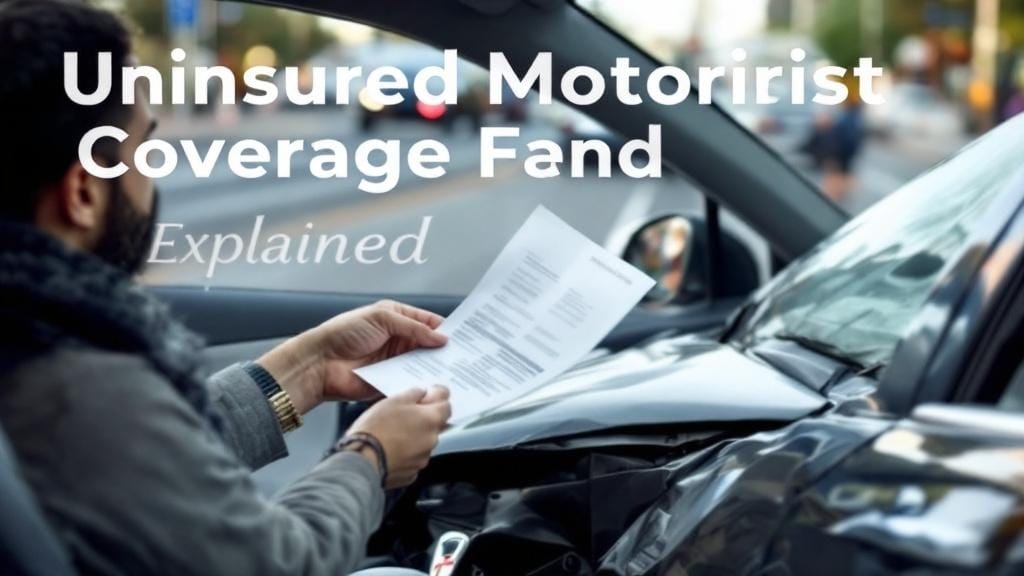
If you’re a car owner, understanding your insurance options is crucial to ensuring that you’re adequately protected on the road. One key coverage that many drivers overlook is uninsured motorist coverage (UMC). It’s not just a nice-to-have; it’s an essential part of your auto insurance that can save you from financial hardship in the event of an accident with a driver who doesn’t have sufficient insurance.
In this article, we’ll break down everything you need to know about uninsured motorist coverage (UMC), why it’s important, and how it can protect you from the unexpected.
What is Uninsured Motorist Coverage (UMC)?
Uninsured motorist coverage is a type of auto insurance designed to protect you if you’re involved in an accident with a driver who does not have adequate insurance. If the at-fault driver doesn’t have insurance, or enough of it, your uninsured motorist coverage helps cover your medical expenses, lost wages, and vehicle repair costs.
There are two main types of uninsured motorist coverage:
-
Uninsured Motorist Bodily Injury (UMBI) – This helps pay for medical expenses, lost wages, and pain and suffering for injuries sustained in an accident where the other driver is at fault and doesn’t have enough or any insurance.
-
Uninsured Motorist Property Damage (UMPD) – This covers repairs or replacement of your vehicle if it’s damaged in an accident caused by an uninsured driver.
Why is Uninsured Motorist Coverage Important?
Accidents happen—whether due to reckless driving, weather conditions, or simple mistakes. In a perfect world, all drivers would have adequate insurance coverage, but the reality is that many do not. Uninsured motorist coverage ensures that you won’t be left with the financial burden when the at-fault driver lacks sufficient insurance. Here’s why it’s so important:
1. Protects Against the Financial Burden of an At-Fault Driver’s Lack of Insurance
In many states, drivers are legally required to have liability insurance. However, around 13% of U.S. drivers are uninsured, and even more carry only the minimum liability insurance required by law. If an uninsured driver causes an accident, you could be stuck paying for your medical expenses and car repairs out of pocket.
2. Provides Coverage When the At-Fault Driver Has Insufficient Insurance
There’s also the issue of underinsured motorists. These drivers have insurance, but it may not be enough to cover all the damages from the accident, especially if you suffer severe injuries or significant property damage. Underinsured motorist coverage (UIM) fills in the gap, helping to cover the additional costs that the at-fault driver’s policy can’t handle.
3. Helps Pay for Medical Expenses and Lost Wages
If you’re injured in an accident, uninsured motorist bodily injury (UMBI) coverage can help cover medical bills, hospital stays, rehabilitation, and lost wages. This is especially important for those who rely on their income to support themselves or their families.
4. Provides Peace of Mind
Knowing that you’re covered in case of an accident with an uninsured or underinsured driver provides peace of mind. You won’t have to worry about how to pay for expensive medical bills or car repairs that may result from an accident.
Types of Uninsured Motorist Coverage
As mentioned earlier, uninsured motorist coverage comes in two primary forms: bodily injury (UMBI) and property damage (UMPD). It’s essential to understand the difference between the two so you can choose the right coverage for your needs.
Uninsured Motorist Bodily Injury (UMBI)
UMBI covers medical expenses, lost wages, and other costs related to physical injuries you sustain in an accident caused by an uninsured driver. For example, if an uninsured driver causes a collision that leaves you with broken bones or a concussion, UMBI can cover:
-
Hospital bills
-
Medical treatments
-
Rehabilitation costs
-
Pain and suffering
-
Lost wages due to your inability to work
Uninsured Motorist Property Damage (UMPD)
UMPD covers the costs of repairs or replacement for your vehicle if an uninsured driver damages it in an accident. If you have a valuable car, this coverage is essential to avoid the financial burden of paying for repairs out of pocket.
For example, if an uninsured driver crashes into your car, UMPD helps pay for:
-
Vehicle repairs or replacement
-
Rental car expenses (if applicable)
-
Damage to personal property inside the car
Is Uninsured Motorist Coverage Required?
Whether or not uninsured motorist coverage is required depends on the state you live in. Some states mandate that drivers carry UM coverage, while others leave it as optional. However, even if it’s not required, it’s a good idea to have it, as it provides important protection against uninsured and underinsured drivers.
If you’re unsure whether uninsured motorist insurance is required in your state, check with your insurance provider or review your state’s auto insurance requirements.
How Much Uninsured Motorist Coverage Do I Need?
The amount of uninsured motorist coverage you need depends on a few factors, including your state’s minimum requirements, your personal assets, and your level of risk tolerance. As a general rule of thumb:
-
Match your liability limits – It’s often a good idea to have the same limits for UMBI and UMPD as you have for liability insurance. This ensures that you’re equally protected in case of an accident.
-
Consider your medical needs – If you have a family or rely on your income to cover living expenses, you may want higher limits for UMBI to cover potential lost wages and medical expenses.
-
Evaluate your vehicle’s value – If you own a high-value car, consider increasing your UMPD limits to ensure that the full cost of repairs or replacement is covered.
Real-Life Example: Why Uninsured Motorist Coverage Can Save You
Imagine this scenario: You’re driving home after work, and you stop at a red light. Out of nowhere, another driver rear-ends your car. The other driver is at fault, but when you exchange insurance information, you find out that they have no insurance.
Without uninsured motorist coverage, you’d have to pay for repairs and your medical expenses out of pocket. However, if you had UMBI and UMPD, your insurance would cover the damage to your car and the medical treatment you need, helping you avoid financial ruin.
How to File an Insurance Claim for Uninsured Motorist Coverage
Filing a claim for uninsured motorist insurance is similar to filing a standard car accident insurance claim. Here’s what you should do:
-
Document the accident – Take photos of the scene, including the damage to your vehicle and any visible injuries.
-
Report the accident – Notify the police and file a report.
-
Contact your insurance provider – Inform your insurance company about the accident and provide them with the necessary documentation.
-
Provide medical records – Submit your medical records and bills if you’re filing a UMBI claim.
-
Follow up regularly – Stay in touch with your insurer to ensure your claim is processed in a timely manner.
FAQs About Uninsured Motorist Coverage
1. What does uninsured motorist cover?
Uninsured motorist coverage helps pay for medical expenses, lost wages, and property damage when the at-fault driver does not have enough insurance or any insurance at all.
2. Is uninsured motorist coverage required by law?
It depends on the state you live in. Some states require drivers to carry uninsured motorist coverage, while others make it optional.
3. How much uninsured motorist coverage do I need?
It’s recommended to match your uninsured motorist coverage limits with your liability insurance limits. However, you can increase your coverage for additional protection.
4. What’s the difference between uninsured motorist coverage and underinsured motorist coverage?
Uninsured motorist coverage applies when the at-fault driver has no insurance, while underinsured motorist coverage (UIM) applies when the driver’s insurance is insufficient to cover the full costs of the accident.
5. Can I add uninsured motorist coverage to my policy?
Yes, you can add uninsured motorist coverage to your existing auto insurance policy. Speak with your insurance provider to ensure you have the coverage you need.
6. Does uninsured motorist coverage cover injuries caused by hit-and-run drivers?
Yes, in many cases, uninsured motorist bodily injury (UMBI) coverage can cover injuries caused by a hit-and-run driver, as long as the driver is not identified.





Comments (0)