
When it comes to protecting your vehicle, comprehensive auto insurance often comes up as an option that many drivers may consider. But is it really worth the investment? In this article, we’ll break down what comprehensive car insurance covers, how it compares to other types of insurance, and whether or not it’s the right choice for you.
What Is Comprehensive Auto Insurance?
Comprehensive auto insurance, sometimes referred to as full coverage auto insurance, is an essential component of a well-rounded auto insurance policy. Unlike liability insurance that only covers damages you cause to others, comprehensive insurance covers a wide range of damages to your own vehicle, regardless of who is at fault.
It’s often paired with collision coverage, which protects against damage to your car from collisions with other vehicles or objects. So, comprehensive insurance gives you a safety net that covers almost everything else.
What Does Comprehensive Auto Insurance Cover?
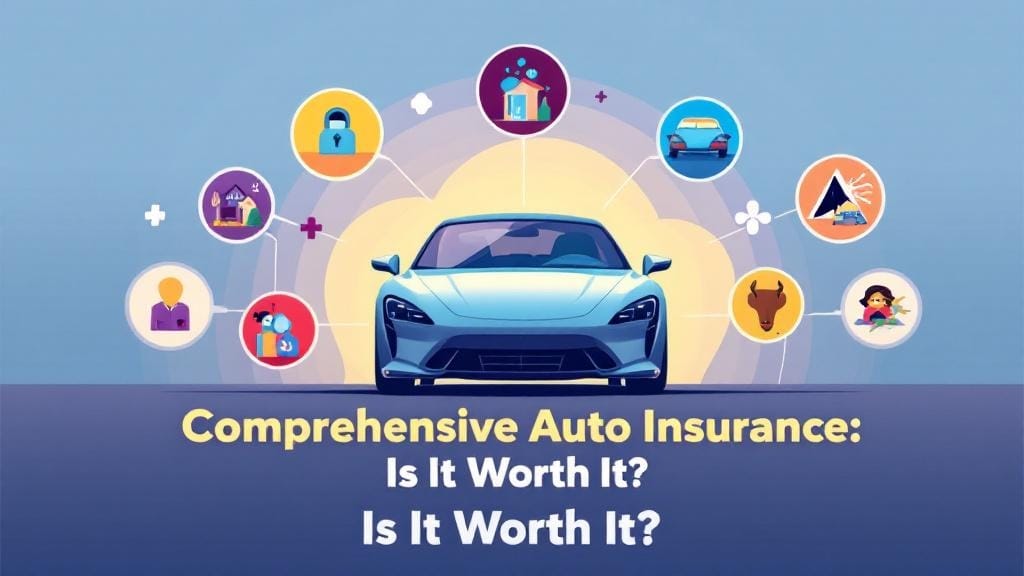
Here’s where it gets interesting. Comprehensive vehicle insurance covers a wide variety of events that could cause damage to your car, such as:
Car Theft Protection: If your car gets stolen, your comprehensive insurance will cover the loss.
Natural Disaster Insurance: Includes protection against weather events like floods, hurricanes, and hailstorms.
Vandalism Damage Insurance: Covers the cost of repairs if your car is vandalized.
Windshield Damage Coverage: Often included in comprehensive coverage, it takes care of chips or cracks in your windshield.
Animal Collisions: If you hit an animal, such as a deer, this is covered under comprehensive insurance.
Fallen Objects: Whether a tree branch falls on your car or debris hits your vehicle, comprehensive insurance can cover the damage.
This wide array of coverage makes comprehensive insurance a valuable option for drivers who want peace of mind and protection against unexpected events.
Comprehensive Car Insurance vs. Collision Coverage: What’s the Difference?
One question that often arises when discussing auto insurance is the difference between comprehensive car insurance and collision coverage. While both are essential parts of a full insurance policy, they cover different types of damage:
Comprehensive Insurance: Covers damages not caused by a collision, such as theft, vandalism, and natural disasters.
Collision Coverage: Covers damages to your vehicle resulting from a collision, no matter who is at fault.
While comprehensive insurance offers a wider range of protections, it is usually combined with collision coverage to give you full protection on the road.
Is Comprehensive Auto Insurance Worth It?
Now, the big question: Is comprehensive auto insurance worth it? The answer largely depends on your circumstances, such as the value of your car, your location, and your personal preference for risk management.
When Comprehensive Auto Insurance Makes Sense:
Newer Vehicles: If your car is brand new or holds a significant value, it’s worth considering best comprehensive car insurance. The cost of repairing or replacing a new car could be financially devastating without it.
High-Risk Areas: If you live in an area prone to natural disasters, car theft, or vandalism, comprehensive coverage might be essential.
Peace of Mind: For drivers who value having coverage for almost any situation, comprehensive vehicle insurance offers peace of mind that your car will be protected no matter what happens.
When It Might Not Be Worth It:
Older Vehicles: If your car is older and not worth much, the cost of comprehensive coverage may exceed the value of your car. In this case, cheapest comprehensive auto insurance options might not be worthwhile.
Financial Constraints: If you’re struggling to pay for insurance premiums, opting for comprehensive coverage might not be the best financial choice. You may want to consider liability or other less expensive options.
How Much Does Comprehensive Auto Insurance Cost?
The cost of comprehensive car insurance varies depending on several factors, including:
Car’s Value: The more expensive your car, the higher your insurance premiums are likely to be.
Your Driving History: A clean driving record may lower your premiums.
Deductible Amount: The higher the deductible, the lower the premium.
Location: Insurance costs are higher in urban areas with higher rates of theft and accidents.
On average, the cost of comprehensive coverage adds about 20-30% to the cost of a standard car insurance policy. However, this added cost is often worth it for the level of protection it offers.
How to Find the Best Comprehensive Car Insurance
To find top-rated comprehensive car insurance, it’s important to:
Compare Quotes: Use online tools to compare rates from different insurance providers.
Read Reviews: Customer feedback can give you insight into an insurance company’s service and reliability.
Understand Policy Limits: Make sure your coverage includes adequate protection for theft, natural disasters, and vandalism.
Look for Discounts: Many insurers offer discounts for bundling policies or maintaining a good driving record.






Comments (0)