
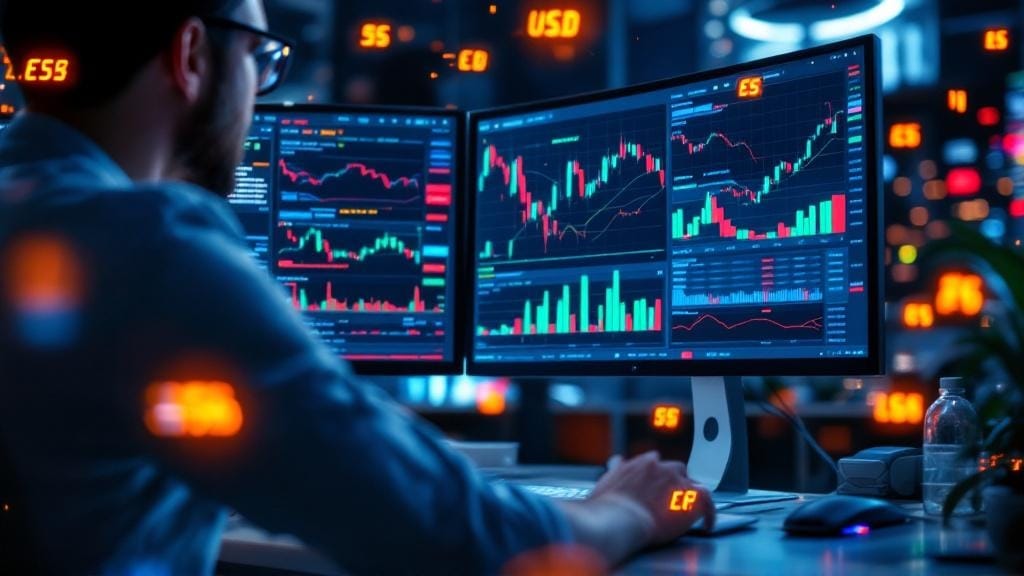
The world of Forex (foreign exchange) trading can seem intimidating, especially when you dive into the realm of forex live trading. The constant fluctuations in the market, changing global conditions, and the need for real-time data can create confusion. But with the right tools, strategies, and mindset, trading live in the Forex market can become an exciting and profitable journey.
In this guide, we’ll explore everything you need to know about forex live trading—from understanding forex live rates to choosing the best platforms and interpreting live forex charts. We’ll also discuss real-time strategies and tools like forex live signals, and we’ll answer some of the most common questions traders have.
Let’s dive into it!
What Is Forex Live Trading?
Forex live trading refers to engaging in real-time currency exchange on the global foreign exchange market. Unlike delayed data or historical charts, forex live rates give you up-to-the-minute updates, allowing you to make timely decisions based on the most accurate market movements.
The Forex market is one of the most liquid markets in the world, with trillions of dollars traded daily. To be competitive in this space, it’s essential to have access to forex live signals, live forex price feed, and live forex news to make informed decisions quickly.
Why Should You Trade Forex Live?
Trading Forex live offers several advantages:
-
Real-time Market Data: The ability to see forex live prices and make decisions based on current trends gives you a competitive edge.
-
Increased Trading Opportunities: With live forex market data, you can identify profitable trades as soon as opportunities arise.
-
Better Risk Management: Forex live stream updates on currency pairs allow you to make adjustments to your trading strategy as the market fluctuates.
However, trading live also means managing risk carefully. Live data is fast-paced, and the market can be volatile, so you need the right tools to stay on top.
Essential Tools for Forex Live Trading
1. Live Forex Charts
Live forex charts are one of the most essential tools for any trader. These charts show real-time fluctuations in currency pairs, helping traders visualize price movement, spot trends, and decide on entry and exit points.
There are various types of charts you can use:
-
Candlestick charts: Show the opening, closing, highest, and lowest price within a set period.
-
Line charts: A simpler view that shows the closing prices over time.
-
Bar charts: Similar to candlestick charts but with a different visual format.
Many platforms, such as MetaTrader 4 and 5, offer advanced charting tools that provide deeper insights and help traders analyze forex live market conditions.
2. Forex Live Signals
Forex live signals refer to alerts or recommendations that tell you when to buy or sell a particular currency pair. These signals are usually generated using algorithms or expert analysis of real-time forex data.
3. Forex Live Trading Platforms
A forex live trading platform is the software you’ll use to access forex live rates, place trades, and manage your portfolio. Some of the most popular platforms include:
-
MetaTrader 4 (MT4): Known for its user-friendly interface and robust tools.
-
MetaTrader 5 (MT5): The updated version of MT4, offering more features.
-
cTrader: Offers advanced charting and faster execution times.
4. Forex News Live Updates
Staying updated on forex news live is critical for a successful trading strategy. Political, economic, and social events around the world can greatly influence currency prices. For example, live forex news on central bank interest rate decisions or geopolitical events can drastically change the market dynamics.
You can subscribe to news services or use built-in tools on trading platforms to stay up-to-date with breaking news in the forex market.
Forex Live Trading Strategies
Trading forex live requires a strategic approach. Here are a few proven strategies to enhance your success:
1. Scalping
Scalping is a popular short-term strategy where traders aim to make small profits by executing numerous trades within a day. It requires constant monitoring of live forex rates today and fast decision-making.
2. Day Trading
Day traders open and close positions within the same day, taking advantage of forex live price fluctuations. This strategy demands staying glued to forex live charts to react quickly to any sudden market changes.
3. Swing Trading
Swing trading is a medium-term strategy where traders capitalize on price swings or trends in the market. Forex trading live updates are key for identifying these swings and managing positions over days or weeks.
4. Position Trading
Position trading involves holding positions for weeks or months, based on long-term market trends. This strategy doesn’t require constant monitoring of live forex price feed, but it’s essential to stay updated with the broader market environment, including forex market live analysis and economic news.
5. Automated Trading
Many traders use expert advisors (EAs) or trading bots to automate trades based on pre-defined criteria. These automated tools work with forex live performance data, executing trades when the market conditions align with the trader’s strategy.
How to Choose the Best Forex Live Trading Platform
When selecting a forex live trading platform, you want to ensure it offers:
-
Real-time data: Access to forex live prices and live forex charts.
-
Security: A trusted platform with secure data encryption and reliable withdrawal options.
-
Low Spreads and Fees: Ensure that the platform offers competitive pricing to minimize transaction costs.
-
User-Friendly Interface: A platform that allows easy navigation and fast execution.
-
Tools and Features: Look for platforms offering forex live signals, news updates, and advanced charting tools.
Popular platforms that provide these features include:
-
OANDA: Known for its real-time forex data and low spreads.
-
eToro: A user-friendly platform for beginners and advanced traders alike.
-
IG Group: Offers a great range of trading tools and real-time news.
FAQs: Your Forex Live Trading Questions Answered
1. What are Forex Live Prices?
Forex live prices refer to the current exchange rates of currency pairs, updated in real-time as market conditions change. These prices fluctuate constantly based on supply and demand factors.
2. How Do I Access Live Forex Data?
You can access live forex data through trading platforms like MetaTrader 4, MetaTrader 5, or other third-party providers that offer forex live stream updates.
3. Can I Make Money with Forex Live Trading?
Yes, forex live trading can be profitable, but it requires skill, strategy, and risk management. By using tools like forex live signals, live forex charts, and staying updated with live forex news, you can improve your chances of success.
4. What is the Best Forex Live Trading Strategy?
The best strategy depends on your trading style. Scalpers, day traders, swing traders, and position traders all use different approaches. It’s essential to choose one that matches your risk tolerance and time commitment.
5. What Are Forex Live Trading Signals?
Forex live trading signals are alerts or recommendations that help traders decide when to enter or exit a trade based on real-time market analysis.
6. What Tools Do I Need for Forex Live Trading?
Key tools for forex live trading include live forex charts, forex live rates, live forex price feed, and forex live news updates. These tools help traders make informed, timely decisions.
7. How Can I Track Forex Live Price Movements?
By using platforms that provide live forex tickers and forex live price fluctuations, you can easily track price movements in real-time. These tickers update automatically, helping you stay informed at all times.






Comments (0)