
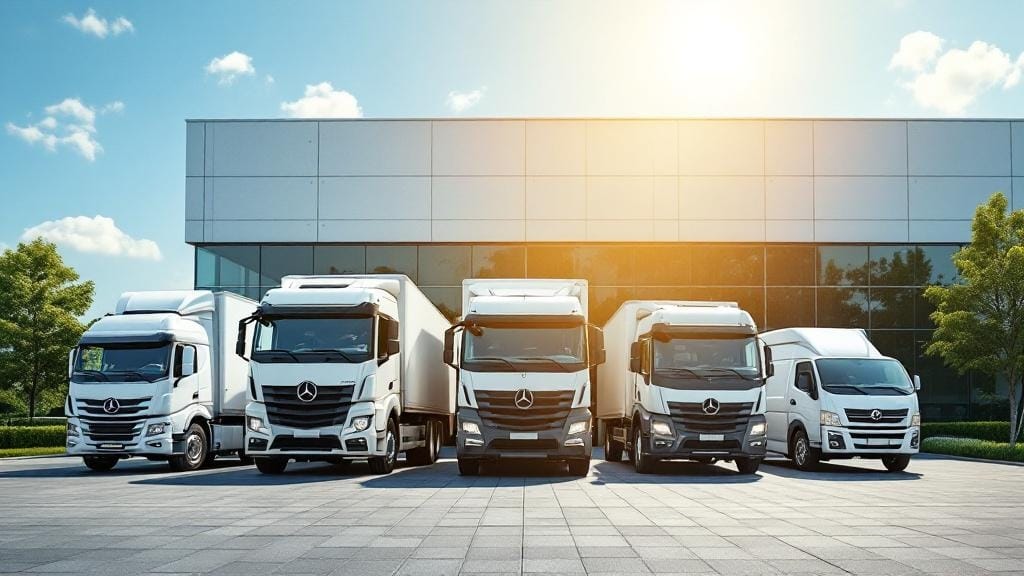
When you run a business that relies on vehicles, whether they’re trucks, vans, or cars, ensuring that they’re properly insured is a must. However, finding the right car insurance for commercial vehicles can feel like navigating a maze. Between different plans, coverage options, and premiums, it’s easy to become overwhelmed. But don’t worry – we’ve got you covered.
In this comprehensive guide, we’ll break down everything you need to know about commercial vehicle insurance, from policy types to cost-saving tips. By the end of this article, you’ll have a clear understanding of how to secure affordable insurance for your business vehicles without sacrificing crucial coverage.
What is Car Insurance for Commercial Vehicles?
Car insurance for commercial vehicles, or commercial auto insurance, is specifically designed for vehicles that are used for business purposes. Unlike personal auto insurance, which only covers personal use, commercial vehicle insurance protects vehicles that are used in the course of running a business.
This includes anything from delivery trucks to company cars, and even vans used for business purposes. Essentially, any vehicle that transports goods, services, or employees for your business needs commercial auto insurance.
Types of Coverage in Commercial Vehicle Insurance
The right coverage depends on the specific needs of your business, the type of vehicle you use, and the risks involved in your daily operations. Let’s take a look at the most common types of coverage you may encounter:
1. Liability Insurance for Commercial Vehicles
This is the most basic form of coverage and is typically required by law. Liability insurance for commercial vehicles covers bodily injury and property damage to others if you or an employee causes an accident while using the vehicle for business purposes.
2. Physical Damage Coverage
Physical damage coverage pays for repairs to your own vehicle in the event of an accident. This can include collision coverage (for accidents you cause) and comprehensive coverage (for damages not caused by a collision, such as theft or natural disasters).
3. Uninsured/Underinsured Motorist Coverage
This type of coverage helps pay for medical costs and damages if you’re in an accident with a driver who doesn’t have enough insurance or any insurance at all. It’s a good idea to have this coverage, as not all drivers carry sufficient insurance.
4. Fleet Vehicle Insurance
If you operate a fleet of vehicles, fleet vehicle insurance may be more economical than insuring each vehicle individually. Fleet insurance packages can often be customized to cover a variety of vehicle types under one policy.
5. Truck Insurance for Businesses
For companies that rely heavily on trucks for deliveries or other operations, truck insurance for businesses is essential. This can include coverage for cargo, trucks, and other specialized vehicles.
6. Business Auto Insurance
A business auto insurance policy provides coverage for vehicles used for business purposes. It can be tailored to meet the needs of your business and typically covers vehicles that transport employees, goods, or services.
Do You Need Insurance for Company Vehicles?
Yes, absolutely! If your company owns or operates any vehicle used for business, it’s important to have the proper insurance in place. Even if you only use personal vehicles for business occasionally, the risks are still higher, and you could be held liable in case of an accident. Without proper commercial vehicle insurance, you risk facing significant financial loss and legal consequences.
How Much Does Commercial Vehicle Insurance Cost?
The cost of commercial vehicle insurance varies widely depending on factors such as the type of vehicle, the number of vehicles you own, your industry, the level of coverage you choose, and your location. On average, small business vehicle insurance premiums can range from $1,000 to $3,000 per year per vehicle.
Factors that Influence Commercial Auto Insurance Costs
Several elements play a role in determining your policy premium rates. Here are the most important factors that insurance providers consider:
-
Vehicle Classification for Insurance
The type of vehicle you’re insuring plays a significant role in your premium. For example, a delivery van or truck will likely have higher premiums compared to a small car. -
Vehicle Use Type (Commercial vs Personal)
Commercial vehicles are used for business purposes, so insurance companies will assess the frequency and purpose of use. More frequent and risk-prone usage may increase your rates. -
Coverage Limits
Higher coverage limits mean higher premiums. It’s essential to strike a balance between adequate protection and affordability. -
Driver Experience and History
Insurers will look at the driving history of your employees and drivers. A clean driving record can help lower premiums, while accidents or violations can drive costs up. -
Risk Assessment in Commercial Auto Insurance
The perceived risk of your business also plays a role. For example, businesses in high-risk industries (like construction) may pay more than those in low-risk sectors (like IT services). -
Insurance Underwriting for Vehicles
The underwriting process involves assessing your business and vehicles to determine appropriate coverage and premiums. Insurers consider factors like your company’s claims history, safety protocols, and even your credit score.
How to Get Affordable Commercial Vehicle Insurance
While it’s important to get comprehensive coverage, there are ways to save money on your commercial auto insurance policy.
-
Shop Around for Quotes
Don’t settle for the first quote you receive. Different providers offer different rates, so it’s worth comparing multiple quotes to find the best deal for your business. -
Bundle Policies
Many insurers offer discounts if you bundle your commercial auto insurance with other business insurance policies, like property or liability insurance. This can help lower your overall insurance costs. -
Increase Your Deductible
If you can afford to pay a higher deductible in the event of a claim, you may be able to lower your premiums. Just be sure that the deductible is an amount you can comfortably cover if needed. -
Maintain a Safe Fleet
Implementing safety measures such as installing GPS tracking, driver training programs, and regular vehicle maintenance can help reduce premiums. Insurance providers are often willing to offer discounts for businesses that prioritize safety. -
Consider the Type of Coverage You Need
Ensure you’re only paying for the coverage you truly need. For instance, if you have a new fleet of vehicles, you may not need comprehensive physical damage coverage on older vehicles. Speak with an agent to tailor your coverage to your specific needs.
Commercial Vehicle Insurance FAQs
1. What is the difference between commercial and personal auto insurance?
Commercial auto insurance covers vehicles used for business purposes, while personal auto insurance covers vehicles used for personal use. Commercial policies are generally more comprehensive and provide protection for vehicles transporting goods or employees, among other business-related risks.
2. What type of vehicle insurance is required for a small business?
At a minimum, small business vehicle insurance should include liability coverage. However, depending on your business needs, you may also want to consider physical damage coverage, truck insurance, or fleet vehicle insurance if you operate several vehicles.
3. Is commercial vehicle insurance more expensive than personal insurance?
Yes, commercial vehicle insurance is generally more expensive than personal insurance because it covers higher risks. Commercial vehicles are often driven more frequently, carry more valuable goods, and are used in more hazardous situations compared to personal vehicles.
4. What factors affect the premium rates for commercial vehicle insurance?
The premium rates are influenced by factors such as the type and number of vehicles, driver history, the type of business, coverage limits, and the location where your vehicles are operated.
5. Can I get insurance for a fleet of vehicles?
Yes, fleet vehicle insurance is an option for businesses that own and operate multiple vehicles. It can offer a cost-effective way to insure a group of vehicles under one policy.
6. What is liability insurance for commercial vehicles?
Liability insurance for commercial vehicles covers the costs of bodily injury or property damage caused by an accident where your driver is at fault. It’s often required by law for businesses that use vehicles for commercial purposes.
7. How can I lower my commercial vehicle insurance premiums?
To lower your premiums, you can shop around for quotes, bundle your insurance policies, increase your deductible, implement safety measures, and tailor your coverage to your specific business needs.





Comments (0)