

As the electric vehicle (EV) market grows rapidly, so does the need for specialized auto insurance coverage that fits these eco-friendly cars. Whether you’re driving a Tesla, a Nissan Leaf, or any other electric car, it’s crucial to understand how to properly protect your investment and ensure you’re adequately covered. In this guide, we’ll dive into everything you need to know about car insurance for electric vehicles—from the best insurance options to finding the cheapest rates for your EV.
Why Electric Vehicles Need Special Car Insurance
Unlike traditional gas-powered cars, electric vehicle insurance often requires unique coverage tailored to the specific needs of an EV. This is because the technology, parts, and repairs involved with electric cars differ from conventional vehicles. For example, the battery replacement cost for an electric vehicle can be much higher than the engine replacement costs for traditional vehicles, making it essential to select the right coverage.
Additionally, EV insurance coverage often includes factors like the cost of charging equipment, battery protection, and repairs for more specialized parts that gas-powered vehicles don’t have. As electric vehicles continue to rise in popularity, finding the right car insurance for electric vehicles is becoming increasingly important for their owners.
What Are the Best Insurance Options for Electric Cars?
When you’re comparing electric car insurance options, you’ll want to consider several key factors that directly impact the total cost and coverage. These include:
-
Battery Replacement Coverage
-
Comprehensive Coverage
-
Collision Coverage
-
Liability Coverage
-
Roadside Assistance for EVs
Here’s a closer look at these coverage options:
1. Battery Replacement Coverage
One of the most significant differences between traditional cars and electric cars is the battery. In the event of a malfunction or an accident, battery replacement can be an expensive endeavor. Many electric car insurance companies now offer specialized coverage to help cover the costs of replacing your car’s battery. Some companies even offer warranties or extended coverage for this.
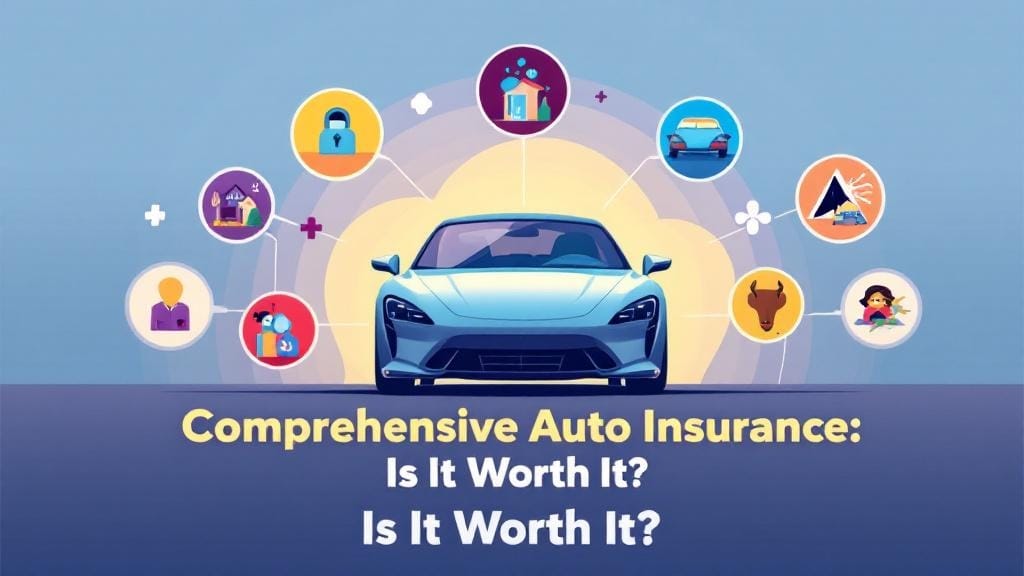
2. Comprehensive EV Insurance
Comprehensive coverage protects your car from non-collision events like theft, vandalism, fire, or natural disasters. Since electric cars are often more expensive to repair due to their high-tech components, having comprehensive EV car insurance is a good idea.
3. Collision Coverage
Just like traditional vehicles, electric vehicles need collision coverage to help pay for repairs if you’re involved in an accident. However, repairs for EVs can be pricier due to their specialized parts and systems, which is why collision coverage is critical to avoiding high out-of-pocket expenses.
4. Liability Coverage
Liability coverage, which includes bodily injury and property damage, is crucial for all vehicles, including electric cars. It covers costs if you’re at fault in an accident that causes injury or damage to others.
5. Roadside Assistance
If your EV runs out of battery or has a mechanical issue on the road, roadside assistance for EVs is a must. Some insurance providers offer EV-specific roadside help, which includes towing to charging stations or even battery recharging if you run out of charge on the highway.
Top Electric Car Insurance Providers: Who Should You Choose?
Finding the right electric car insurance provider can be overwhelming, but there are several major players in the industry that are known for offering great policies for electric vehicle owners. Some of the best insurance for electric cars includes companies that have tailored policies specifically for EVs. Here are a few to consider:
Tesla Car Insurance
Tesla offers its own insurance for Tesla owners, which is designed to cover the unique needs of their vehicles, including protection for the high-tech battery. With Tesla car insurance, you benefit from discounts based on your driving behavior and the model you own. It also provides EV insurance quotes based on your car’s specifications.
Allstate
Allstate is another top choice for EV insurance, offering comprehensive EV insurance policies that cover the cost of battery replacement, damage to charging stations, and more. They are known for their competitive pricing, so if you’re looking for cheap electric car insurance, Allstate might be a good option to consider.
Geico
Geico has earned a reputation as one of the top car insurance companies, and they’re no exception when it comes to electric vehicle insurance. Geico offers policies that include coverage for battery replacement and charging equipment, and their pricing is often very competitive, making it an excellent choice for cheap electric car insurance.
Progressive
Progressive is another leading insurance company that offers affordable EV car insurance. They provide a variety of coverage options and even offer discounts if you drive an electric vehicle. Their policies are tailored to address the unique needs of EV owners, such as coverage for green vehicle incentives and low carbon footprint driving habits.
State Farm
State Farm offers EV insurance coverage with specialized benefits, including discounts for eco-friendly driving. They’re a great option for owners of zero emissions vehicles, as they offer coverage that includes the high replacement costs of EV batteries and even support for EV maintenance costs.
How to Compare Electric Car Insurance Quotes
When comparing EV insurance quotes, it’s important to factor in several key aspects to ensure you’re getting the best deal for your specific needs. Here’s how to compare policies effectively:
-
Coverage Options – Ensure that the insurance provider offers coverage that suits your EV’s specific needs, like battery replacement or coverage for specialized parts.
-
Pricing – While EV insurance can be more expensive than traditional car insurance, many providers offer discounts or lower premiums for green vehicles or safe driving habits.
-
Customer Reviews – Look at online reviews to gauge how well each provider handles claims and customer service. Trustworthy reviews will help ensure you choose a reliable company.
-
Additional Benefits – Some insurers offer additional perks, like roadside assistance or discounts on charging equipment, which can be a great value for EV owners.
-
State and Local Regulations – Depending on your location, some states offer federal EV tax credits or other green vehicle incentives. Make sure your provider considers this in your policy.
Frequently Asked Questions (FAQs) About Electric Vehicle Insurance
1. What is the best insurance for electric cars?
The best insurance for electric cars depends on your specific needs and the car you drive. Top providers like Tesla, Geico, and Progressive offer coverage that includes battery protection, roadside assistance, and competitive pricing.
2. Does car insurance for electric vehicles cost more?
Yes, EV insurance coverage can be more expensive due to the higher cost of parts like batteries and specialized components. However, some providers offer discounts for safe driving or driving green vehicles, which can help offset the higher costs.
3. How can I get cheap electric car insurance?
To get cheap electric car insurance, shop around and compare quotes from different providers. Look for discounts for eco-friendly vehicles, safe driving, or bundling with other policies.
4. Is Tesla insurance cheaper than regular car insurance?
Tesla’s insurance is often tailored specifically to the needs of Tesla owners, and it may be more affordable than standard car insurance due to the company’s direct pricing model. However, costs vary depending on your driving habits, location, and car model.
5. What factors affect the cost of electric car insurance?
The cost of electric car insurance is influenced by several factors, including the make and model of your EV, the coverage options you choose, your driving history, and the location where you live.





Comments (0)