
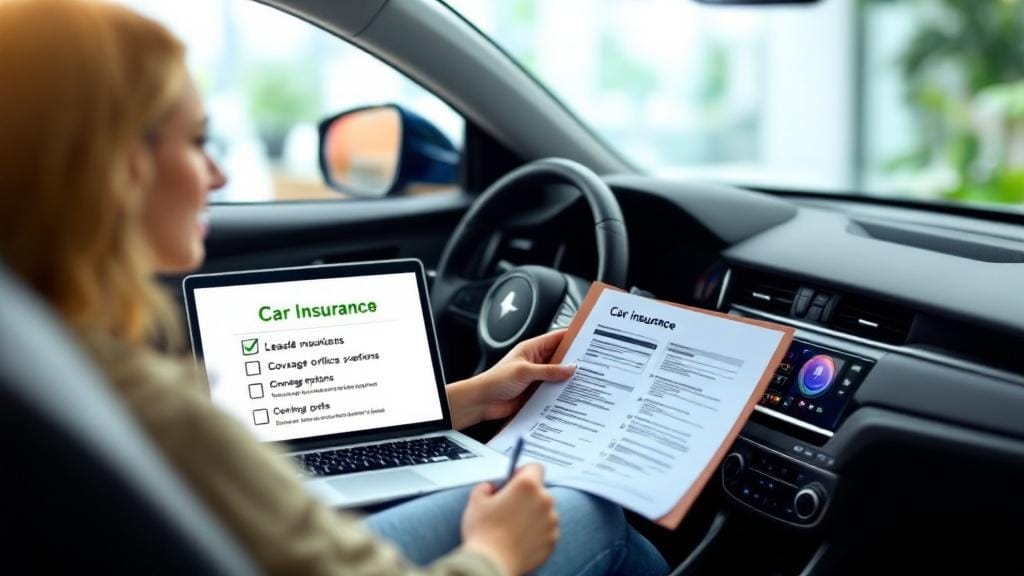
Leasing a car can be an appealing option for many drivers, offering the flexibility of driving a new car without the long-term commitment and hefty upfront costs that come with buying a vehicle. However, one of the most important aspects of leasing a vehicle is understanding how auto insurance for leased vehicles works. This guide will walk you through everything you need to know, from the mandatory insurance coverage requirements to additional options that can protect your investment.
Table of Contents:
What is Car Insurance for Leased Vehicles?
When you lease a car, you’re essentially renting it from the leasing company for a fixed term. Because the vehicle belongs to the finance company rather than you, they require you to carry sufficient car insurance to protect both your interests and theirs.
Car insurance for leased vehicles includes all the standard types of insurance you’d have with a purchased vehicle, but with stricter conditions. The leasing company may impose specific coverage requirements to ensure that the vehicle is adequately protected in case of damage, theft, or other accidents.
In most cases, leased vehicle insurance requirements are higher than the minimum coverage mandated by law. This is because the leasing company wants to ensure that their asset (the car) is fully covered in case anything goes wrong.
Leased Vehicle Insurance Requirements
Leasing companies typically require you to carry full coverage insurance when you lease a vehicle. This includes:
-
Comprehensive Coverage: Protects against non-collision-related damage, such as theft, vandalism, or natural disasters.
-
Collision Coverage: Covers the cost of repairs if your leased car is involved in an accident, regardless of fault.
-
Liability Coverage: Covers injuries or damages you cause to others in an accident.
-
Personal Injury Protection (PIP): Some states require this, covering medical costs for you and your passengers after an accident.
Additionally, some companies may also require leased vehicle liability coverage and deductibles for leased car insurance that are higher than the typical minimums.
Best Insurance for Leased Cars
Choosing the best insurance for your leased car depends on a variety of factors, including your budget, the car’s value, and the leasing company’s requirements. To help you make an informed decision, here are a few key things to consider when selecting the right insurance policy for a leased vehicle:
-
Full Coverage Insurance for Lease Cars
While full coverage insurance for lease cars may cost a bit more than the minimum required coverage, it’s often the best choice for leased vehicles. It provides the peace of mind that the car is fully protected in case of any unfortunate events. -
Gap Insurance for Leased Vehicles
Gap insurance for leased vehicles is an optional but highly recommended type of coverage. It helps cover the “gap” between the amount you owe on your lease and the actual cash value (ACV) of the car in the event of a total loss. This is particularly useful because cars depreciate quickly, and in the event of a total loss, you might owe more than what the car is worth. -
Insurance Options for Leased Vehicles
Many insurance providers offer specialized policies for leased cars. When shopping for an insurance provider, make sure they offer the right balance of coverage, customer service, and affordable premiums. Researching auto insurance policy options for leased vehicles can help you avoid paying for unnecessary extras. -
Third-Party Liability Insurance
If you are involved in an accident that damages another vehicle or injures someone else, third-party liability insurance will cover the costs. Leasing companies often require higher levels of liability coverage than you might need if you were buying the car outright.
How to Insure a Leased Car
Insuring a leased car isn’t much different from insuring a purchased vehicle, but there are a few additional steps to consider:
-
Review Your Lease Agreement
Start by reviewing your vehicle lease agreement. The agreement will outline the exact insurance requirements and coverage levels you must meet. It’s important to adhere to these terms to avoid penalties or even termination of the lease. -
Choose the Right Insurance Policy
Based on your lease terms, select an insurance policy that meets the leasing company’s requirements. Compare different policies to find one that offers adequate coverage at the best price. Always check for any exclusions in the policy that might leave you vulnerable. -
Notify Your Leasing Company
Once you have chosen your insurance, inform your leasing company about your coverage. They may ask for proof of insurance and review your policy to ensure it meets the requirements.
Types of Coverage You Need for a Leased Vehicle
Understanding the types of coverage needed for a leased car is crucial to ensure that you’re adequately protected. Here’s a breakdown of what’s typically required and recommended:
Full Coverage Insurance for Lease Cars
As previously mentioned, leasing companies usually require full coverage insurance, which includes:
-
Collision: Covers damage from accidents.
-
Comprehensive: Covers damage from non-collision events like vandalism, theft, or weather events.
-
Liability: Pays for the damage you cause to others.
-
Personal Injury Protection: Covers medical expenses for you and your passengers.
Gap Insurance for Leased Vehicles
Gap insurance is essential for leased vehicles, particularly if you have a long-term lease. Since cars lose value rapidly, vehicle depreciation can result in you owing more than the car is worth. Gap insurance helps bridge this gap, covering the difference between what you owe on the lease and the actual value of the car.
Example: Let’s say you owe $20,000 on your leased car, but the car’s value is only $16,000 due to depreciation. If the car is totaled in an accident, gap insurance would cover the $4,000 difference.
Cost of Insurance for Leased Cars
The cost of insurance for leased cars varies based on several factors, including the type of car, your driving history, location, and the coverage levels required by the leasing company. Generally, the cost will be higher than for a car you own because of the additional coverage requirements.
To keep premiums manageable:
-
Consider a higher deductible: A higher deductible can lower your monthly premiums, but be sure you can afford the out-of-pocket costs if you need to file a claim.
-
Bundle policies: If you already have homeowner’s or renter’s insurance, consider bundling with your auto insurance provider for discounts.
-
Shop around: Don’t settle for the first quote. Compare rates from multiple insurers to find the best deal.
Frequently Asked Questions
1. What is the difference between leasing and financing a car?
Leasing a car allows you to rent it for a set period with the option to buy at the end of the lease term. Financing a car means you are taking out a loan to buy the vehicle, and you own it outright once the loan is paid off.
2. Do I need full coverage insurance for a leased vehicle?
Yes, most leasing companies require you to carry full coverage, which includes both collision and comprehensive coverage, along with liability and other protections.
3. What is gap insurance, and do I need it for a leased car?
Gap insurance covers the difference between what you owe on the lease and the car’s current market value if the vehicle is totaled or stolen. It’s highly recommended for leased vehicles due to rapid depreciation.
4. Can I lower my insurance premium on a leased vehicle?
Yes, you can reduce your premium by raising your deductible, shopping around for better rates, or bundling insurance policies.
5. How does leasing affect my car insurance rates?
Leased cars often require higher insurance coverage, which may increase your premiums compared to a financed or owned vehicle. However, the additional coverage protects both you and the leasing company.





Comments (0)