
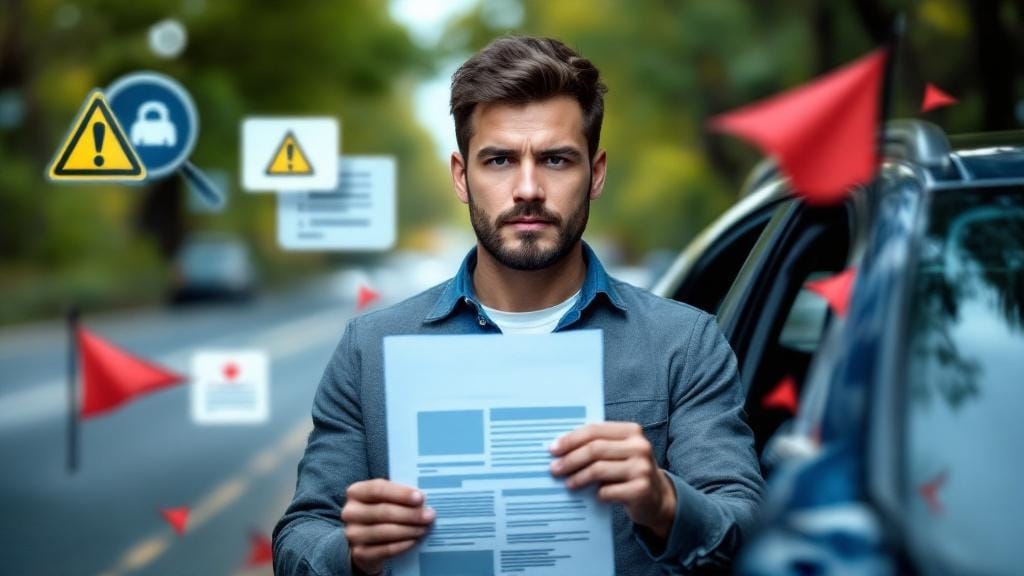
Auto insurance fraud is a growing concern for both insurance companies and consumers. Every year, billions of dollars are lost due to fraudulent claims, impacting insurance premiums and ultimately driving up costs for everyone. As a driver, you need to be aware of common fraudulent schemes and take steps to protect yourself from becoming a victim. This article will provide practical tips for auto insurance fraud prevention, along with a look at the red flags you should watch out for and the best ways to report suspicious activities.
What is Auto Insurance Fraud?
Auto insurance fraud occurs when someone intentionally deceives an insurance company to receive payouts they are not entitled to. This can involve a variety of schemes, from falsely reporting an accident to staging a crash or inflating damage costs. It is a serious crime with significant consequences, both for the fraudster and for drivers who are innocent victims.
Why is Preventing Auto Insurance Fraud Important?
Auto insurance fraud isn’t just a matter of preventing financial losses—it affects everyone on the road. When fraudulent claims are paid out, the cost is often passed on to legitimate policyholders in the form of higher premiums. In 2021, auto insurance fraud was responsible for an estimated $30 billion in losses, which drives up the cost of car insurance for all drivers. By practicing car insurance fraud prevention, you can help ensure that your premiums stay as low as possible while also protecting yourself from fraud.
Common Auto Insurance Fraud Schemes
Understanding the different types of auto insurance fraud can help you identify them before they impact you. Here are some of the most common vehicle insurance fraud schemes:
1. Staged Collisions
Staged collisions are one of the most widespread auto insurance fraud schemes. In this scam, the fraudster intentionally causes a collision or sets up a fake accident. They may deliberately brake suddenly in front of another driver or cause a fender-bender to make it look like the other party is at fault.
How to Prevent:
Always keep a safe distance from the car in front of you.
Use a dash cam to document your driving in case you’re involved in an accident.
2. Phantom Vehicle Scams
In a phantom vehicle scam, the fraudster claims they were hit by a vehicle that never existed. They may exaggerate injuries or damage, making a false claim against your insurance policy.
How to Prevent:
Take photos and gather information immediately after an accident, including vehicle details and the names of witnesses.
If you’re involved in an accident and the other driver is not present, report it to the authorities.
3. False Injury Claims
Some fraudsters make false claims for injuries that never occurred. They may try to get compensation for medical treatment they never received or exaggerate the severity of an injury to maximize the payout.
How to Prevent:
Be vigilant about your medical claims, and ensure any injury documentation is legitimate.
Keep track of all medical records, including visits, treatments, and prescriptions.
4. Premium Fraud
In premium fraud, an individual lies about their driving history, the type of car they own, or their location to secure a lower insurance premium. These fraudulent actions can lead to underinsured or underpaid claims when an accident occurs.
How to Prevent:
Always report your personal and vehicle details accurately to the insurance company.
Avoid underreporting or misrepresenting your information for a lower premium.
How to Detect Auto Insurance Fraud
Detecting fraud early is key to preventing significant financial loss. Here are some key indicators that may suggest insurance fraud is involved:
1. Inconsistent Statements
Fraudsters often provide inconsistent or contradictory statements when reporting an accident. They may change their story or offer details that don’t match up with physical evidence or witness accounts.
How to Prevent:
Be sure to report the accident as accurately and consistently as possible.
Work with claims adjusters to identify inconsistencies in the other party’s statements.
2. Excessive Claims
If someone has a history of frequent claims or significant repairs, especially after minor accidents, this can be a red flag for fraudulent activity.
How to Prevent:
Keep an eye on your own claims history and make sure any claims you file are legitimate and properly documented.
3. Overinflated Damage Estimates
Fraudulent claims often involve exaggerated repair costs. If you are presented with an unusually high repair bill that seems out of line with the damage, it could be an attempt to inflate the claim.
How to Prevent:
Always get multiple repair estimates to ensure the costs are reasonable.
Use reputable repair shops that provide transparent pricing.
Red Flags of Insurance Fraud
Be aware of these insurance fraud red flags to protect yourself and your premiums:
No police report: If the other party doesn’t call the police after an accident, this may be an attempt to avoid an official record.
Unusual behavior: Watch for behavior that seems scripted or forced, such as someone who is overly aggressive or appears to be coaching witnesses.
Unnecessary medical treatment: Fraudsters often seek treatments that are unnecessary or unrelated to their supposed injuries.
Reluctance to share details: A refusal to exchange contact or insurance information can be a sign of fraudulent intent.
Auto Insurance Fraud Prevention Tips for Drivers
Taking the right steps to prevent auto insurance fraud is essential for maintaining your safety and protecting your financial well-being. Here are practical tips to help you avoid becoming a victim of fraud:
1. Report Suspicious Activity Immediately
If you suspect that you or someone else is being targeted by fraudsters, report the incident to your insurance company immediately. Timely reporting can help stop fraudulent claims before they escalate.
2. Keep Detailed Records
Document everything about your vehicle, from its make and model to any repairs, maintenance, or previous accidents. If you’re involved in an accident, keep detailed notes, take photos, and collect witness statements if possible.
3. Install Fraud Detection Technology
Many modern cars come equipped with GPS tracking, cameras, and sensors that can help detect fraudulent claims. Dash cams, in particular, can be invaluable in providing evidence in the event of an accident.
4. Be Cautious About Third-Party Repair Shops
Always ensure that you are working with reputable repair shops and service providers. Fraudsters may inflate repair costs or recommend unnecessary services.
5. Stay Educated
Understand the common types of insurance fraud and be proactive in recognizing the signs. Regularly review your auto insurance policy to make sure it’s accurate and up to date.
How to Report Auto Insurance Fraud
If you suspect auto insurance fraud, there are several ways you can report it:
Notify Your Insurance Company: Most insurers have a dedicated fraud department where you can file a report.
State Insurance Fraud Bureau: Many states have a dedicated insurance fraud investigation unit that you can contact directly.
National Insurance Crime Bureau (NICB): The NICB operates a confidential hotline and online platform where you can report fraud.
Local Law Enforcement: In cases of staged accidents or vehicle theft, local law enforcement should also be notified.
Conclusion: Protect Yourself from Auto Insurance Fraud
Auto insurance fraud is a serious issue that affects not just the insurance companies but also the everyday driver. By staying vigilant and following these auto insurance fraud prevention tips, you can significantly reduce the chances of becoming a victim. Remember, detecting fraud early and reporting it immediately can help keep insurance costs low for everyone.
If you ever encounter any suspicious activity or fraud schemes, don’t hesitate to take action. By protecting yourself from auto insurance fraud, you’ll not only safeguard your own financial interests but also contribute to making the road a safer and more trustworthy place for everyone.





Comments (0)