
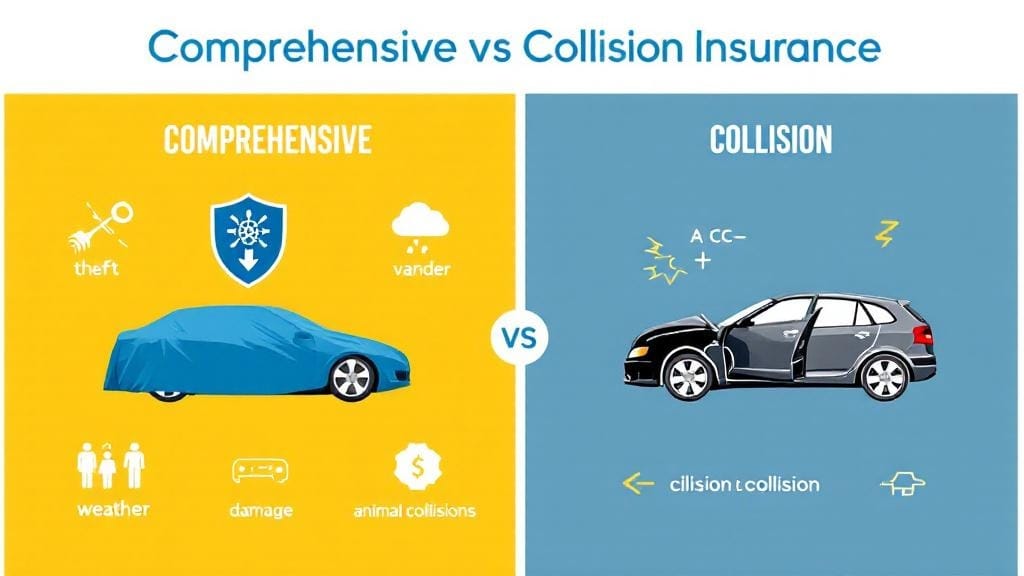
When shopping for car insurance, it’s easy to get overwhelmed by the options available. Among the most common types of coverage are comprehensive and collision insurance. Both are essential parts of many auto insurance policies, but they cover different types of damage and incidents. Knowing the difference between comprehensive and collision insurance will help you make an informed decision that suits your needs and budget.
In this article, we’ll dive into a comprehensive and collision coverage comparison to help you understand which option is best for your situation. We’ll also explore when to choose comprehensive vs collision insurance, break down the various types of auto insurance coverage, and explain key terms like deductibles. By the end, you’ll be able to confidently answer the question: Should I get comprehensive or collision insurance?
What is Comprehensive Car Insurance?
Comprehensive insurance is a type of coverage that protects you against damage to your vehicle that isn’t caused by a collision. This can include a wide range of incidents, such as:
-
Theft: If your car is stolen, comprehensive insurance can cover the replacement or repair of the vehicle.
-
Vandalism: If your car is damaged due to vandalism (e.g., someone keying your car or breaking a window), comprehensive coverage would help cover the repair costs.
-
Natural Disasters: Damage caused by natural disasters like floods, hail, earthquakes, or fallen trees is typically covered under comprehensive insurance.
-
Animal Collisions: If you hit an animal, like a deer, and your car is damaged, comprehensive insurance will cover the repairs.
-
Fire: If your vehicle catches fire, whether due to mechanical failure or another cause, comprehensive insurance could cover the damage.
Comprehensive Insurance Coverage Benefits:
-
Covers non-collision events, giving you peace of mind against unpredictable accidents.
-
Ideal for cars that are parked in areas prone to weather damage or theft.
-
Typically included in full coverage car insurance packages.
What is Collision Car Insurance?
Collision insurance, on the other hand, specifically covers damage to your vehicle resulting from a crash, whether you’re at fault or not. It is designed to help you pay for repairs or replacement of your car if it’s involved in an accident.
Key points of collision insurance:
-
Accident Damage: Covers repairs to your car if you collide with another vehicle, stationary object (like a tree or fence), or a road hazard (like a pothole).
-
At Fault or Not: Whether you’re the one who caused the accident or the victim, collision insurance helps cover your vehicle’s repair costs.
Collision Insurance Coverage Benefits:
-
Essential for drivers who frequently drive on busy roads or in areas with a high likelihood of accidents.
-
Important for those with a newer car, as it ensures that repair costs are covered even if you cause the damage.
-
Collision vs comprehensive car insurance: While comprehensive insurance covers non-collision events, collision insurance focuses solely on accident-related damage.
Comprehensive vs Collision Insurance: The Key Differences
To better understand which insurance option fits your needs, let’s break down the comprehensive vs collision insurance debate by comparing their key aspects.
Coverage Scope
-
Comprehensive Insurance: Covers damage caused by external, non-collision events (e.g., weather, theft, vandalism).
-
Collision Insurance: Covers damage resulting from a crash, regardless of fault.
Cost
-
Comprehensive Insurance: Typically less expensive than collision insurance. However, it can vary depending on your car’s value, location, and risk factors.
-
Collision Insurance: Tends to be more expensive due to the higher risk associated with accidents and potential repair costs.
Deductibles
-
Comprehensive vs Collision Deductible: Both comprehensive and collision insurance policies typically have a deductible that you must pay before insurance coverage kicks in. The comprehensive vs collision deductible can vary based on the insurer and the level of coverage you choose. Generally, comprehensive deductibles tend to be lower than collision deductibles, but this isn’t always the case.
Risk Factors and Situations
-
When to Choose Comprehensive vs Collision Insurance:
-
If your car is older and has a lower market value, you might opt for just collision insurance.
-
If you live in an area prone to theft, vandalism, or harsh weather, comprehensive coverage might be more beneficial.
-
If you’re financing or leasing your vehicle, you may be required to carry both types of insurance.
-
Example:
Imagine you’re driving on a country road, and a deer runs into the street. Your comprehensive insurance would cover the damage caused by the animal, while collision insurance wouldn’t apply in this situation.
Should I Get Comprehensive or Collision Insurance?
The decision to choose between collision and comprehensive coverage depends largely on your personal circumstances, driving habits, and the value of your vehicle.
When to Choose Comprehensive Insurance:
-
If you want protection against natural disasters, theft, vandalism, and animal-related accidents.
-
If your car is worth more than a few thousand dollars and you want to protect your investment.
-
If you live in an area prone to extreme weather conditions or theft.
When to Choose Collision Insurance:
-
If you’re primarily concerned about covering the cost of accidents.
-
If you have a newer car and want to protect it from any crash-related damage.
-
If you’re not concerned about non-collision-related incidents (theft, vandalism, etc.).
Combining Both: Full Coverage Car Insurance
For many drivers, the ideal solution is full coverage car insurance, which includes both collision and comprehensive coverage. This ensures that you’re protected in almost any situation, whether you’re involved in an accident or dealing with theft, vandalism, or natural disasters.
Frequently Asked Questions (FAQs)
-
What is the main difference between comprehensive and collision insurance?
-
Comprehensive insurance covers non-collision events like theft, weather, and vandalism, while collision insurance covers damage caused by accidents involving another vehicle or object.
-
-
Do I need both comprehensive and collision insurance?
-
If you’re financing or leasing a car, you’ll likely need both. Otherwise, it depends on your car’s value and your personal preferences. If you want complete protection, full coverage car insurance is the best option.
-
-
Can I choose between comprehensive or collision insurance as a stand-alone policy?
-
Yes, some insurers offer standalone policies, but it’s common to have them as part of a full coverage policy to ensure all types of incidents are covered.
-
-
Which is better: comprehensive or collision insurance?
-
Neither is objectively better; it depends on your needs. Comprehensive insurance is ideal for those seeking protection against non-accident-related risks, while collision insurance is essential if you’re primarily worried about accident damage.
-
-
How do deductibles affect my choice between collision and comprehensive insurance?
-
Both types of coverage come with deductibles that affect your out-of-pocket expenses. A higher deductible usually means a lower premium, but you’ll pay more if you file a claim. Consider your ability to pay the deductible before making a decision.
-
-
Is collision insurance cheaper than comprehensive insurance?
-
Generally, collision insurance tends to be more expensive because it covers more frequent and potentially costly accidents. However, the cost can vary based on factors like your car’s value and location.
-
-
Can I add both comprehensive and collision insurance later?
-
Yes, you can usually add both types of coverage at any time. If your car’s value or risk factors change, it might make sense to adjust your coverage.
-





Comments (0)