
When it comes to choosing car insurance, it can feel like you’re navigating through a maze of policies, terms, and price tags. The two most common types of car insurance coverage you’ll come across are comprehensive car insurance and liability insurance. But what’s the difference between them, and which one should you choose for your needs? Let’s dive into these two popular options and help you understand which is the best for your situation.
What is Comprehensive Car Insurance?
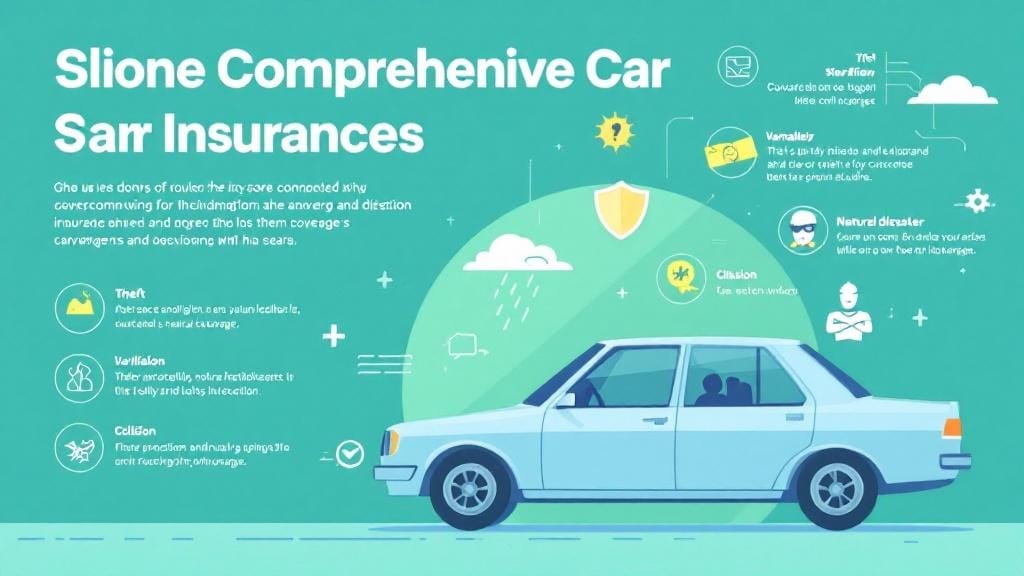
Comprehensive car insurance is a type of auto insurance that provides broad coverage for various types of damage to your vehicle, aside from a collision. In other words, if something happens to your car that isn’t caused by a crash, comprehensive insurance has you covered.
This might include incidents such as:
-
Natural disaster damage (e.g., storms, floods, wildfires)
-
Theft protection
-
Vandalism coverage
-
Windshield damage
-
Animal collisions
Essentially, comprehensive coverage helps you with damages that aren’t your fault. If you live in an area with extreme weather conditions or where theft is more common, having this type of insurance can be incredibly valuable.
What is Liability Car Insurance?
Liability car insurance, on the other hand, is focused on covering damage you cause to others. It is generally required by law in most states. There are two main components of liability coverage:
-
Bodily Injury Liability: Covers the medical expenses of others if you cause an accident that results in injuries.
-
Property Damage Liability: Covers the cost of repairing or replacing another person’s property if you’re responsible for an accident.
While liability insurance helps protect you from financial responsibility if you cause harm to others, it won’t help cover your own vehicle’s damages. This is why liability insurance is often referred to as “third-party insurance” — it only covers the other party involved in the accident.
Comprehensive vs. Liability: Key Differences
Here’s a quick rundown of the differences between comprehensive car insurance and liability car insurance:
| Coverage | Comprehensive Car Insurance | Liability Car Insurance |
|---|---|---|
| What It Covers | Damage to your own car (except collision) | Damage or injury to others caused by you in an accident |
| Legal Requirement | Not mandatory, but highly recommended | Mandatory in most states |
| Collision Coverage | Not included; requires separate coverage | Not included |
| Natural Disaster Damage | Yes | No |
| Theft Protection | Yes | No |
| Vandalism Coverage | Yes | No |
| Cost | Typically more expensive due to broader coverage | Typically cheaper, as it only covers third-party damage |
Why Choose Comprehensive Car Insurance?
If you’re trying to decide between comprehensive car insurance and liability insurance, here are some reasons why comprehensive insurance might be the better choice for you:
1. Protection Against Non-Collision Events
Comprehensive insurance can save you from major financial headaches caused by non-collision incidents. Imagine your car gets damaged by a tree falling in a storm, or you wake up to find your vehicle has been vandalized. Comprehensive car insurance helps cover those repairs without you having to pay out of pocket.
2. Peace of Mind
Knowing that you’re covered for a wide range of potential accidents and damages, beyond just collisions, can offer peace of mind. For example, if your car is stolen, your comprehensive policy could help replace it — an invaluable benefit that liability insurance just can’t provide.
3. Higher Resale Value Protection
If you own a newer vehicle or a high-value car, a comprehensive vehicle insurance policy is an investment in protecting its resale value. Having this coverage can ensure that repairs are covered if something unexpected happens, keeping your car in good condition.
Why Choose Liability Car Insurance?
While comprehensive insurance offers extensive protection, there are still situations where liability insurance might be the better option. Here are some reasons you might opt for liability-only coverage:
1. Lower Premiums
Liability insurance tends to be more affordable because it covers less risk. If you’re driving an older car or a vehicle that doesn’t hold much value, paying for comprehensive coverage might not make sense. Instead, you might prefer the cheaper option of liability-only coverage.
2. State Requirements
In most states, you’re legally required to carry liability insurance. Even if you don’t want full coverage, liability insurance will protect you from financial responsibility if you’re involved in an accident that causes injury or damage to others.
3. Financial Stability
If you’re confident in your ability to pay for any damages that might occur to your own car, liability insurance might make more sense. If the car is older or has a lower market value, you might decide that the potential cost of repairs isn’t worth the extra investment in comprehensive coverage.
Comprehensive Car Insurance: Understanding the Costs
When it comes to pricing, comprehensive auto insurance policies can vary significantly. Here are the main factors that influence your premium:
-
Car Model and Value: Luxury cars, sports cars, and high-value vehicles tend to cost more to insure.
-
Location: Your geographic location can affect your insurance rate. Areas prone to natural disasters or higher rates of theft typically have higher premiums.
-
Driving History: A clean driving record can help lower your premium.
-
Deductible: The amount you’re willing to pay out-of-pocket before your insurance kicks in can influence your rates. A higher deductible generally results in lower premiums.
-
Coverage Limits: The higher your coverage limits, the higher your premium will be.
It’s important to compare comprehensive car insurance quotes to ensure you’re getting the best deal for your coverage needs.
How to Buy Comprehensive Car Insurance Online
Buying comprehensive car insurance online is easier than ever. Most major insurers allow you to get a quote, choose your coverage, and even finalize your policy online. Here’s a quick guide to help you navigate the process:
-
Research Insurance Providers: Look for reputable companies that offer comprehensive coverage. Check their customer reviews, claims satisfaction ratings, and financial stability.
-
Get Multiple Quotes: Always compare comprehensive insurance quotes from different providers to ensure you’re getting the best rate.
-
Consider Add-ons: Some insurers offer optional add-ons like roadside assistance or rental car coverage, which can provide additional peace of mind.
-
Review Your Policy: Before purchasing, make sure you understand what’s covered and the terms of the policy, including any exclusions.
-
Finalize Your Purchase: Once you’ve selected the right policy, you can finalize the purchase online and receive your digital insurance card immediately.
FAQs About Comprehensive vs. Liability Car Insurance
1. What’s the difference between comprehensive and third-party car insurance?
Third-party insurance is essentially the same as liability insurance — it only covers damage you cause to others, not your own vehicle. Comprehensive car insurance, on the other hand, covers your car for a wide range of non-collision incidents, such as theft, vandalism, or damage from natural disasters.
2. Does comprehensive insurance cover collision damage?
No, comprehensive car insurance does not cover damage caused by collisions. If you want protection for accidents where you are at fault, you’ll need to add collision coverage to your policy.
3. Is comprehensive car insurance worth the cost?
If your car is valuable or you live in an area with a high risk of theft, vandalism, or natural disasters, comprehensive vehicle insurance can provide important protection. For older cars with low resale value, it might not be worth the cost.
4. Can I buy comprehensive car insurance online?
Yes, you can buy comprehensive car insurance online through most insurance providers. Simply get a quote, review the terms, and purchase the policy directly from the provider’s website.
5. How does the car insurance claim process work with comprehensive coverage?
If you need to file a claim with your comprehensive auto insurance policy, you’ll typically report the incident to your insurer, submit any necessary documentation (such as photos or police reports), and wait for the adjuster to assess the damage. Once approved, your insurance company will either pay for the repairs or reimburse you for the value of the damage.





Comments (0)