
When it comes to choosing the right vehicle insurance types, understanding your options can seem like a daunting task. With so many policies and coverage levels available, it’s important to make an informed decision to ensure you’re properly protected on the road.
Whether you’re a new driver looking for your first car insurance policy or you’re looking to switch to a new provider, this guide will break down all the different types of vehicle insurance. We’ll explore everything from the basics of auto insurance coverage types to specific car insurance features that cater to your needs.
Let’s dive into the world of vehicle insurance plans to help you find the best coverage for you!
What Are the Different Types of Vehicle Insurance?
Vehicle insurance types vary depending on the coverage you need, the value of your car, and your driving habits. Understanding these types is crucial to picking the right policy.
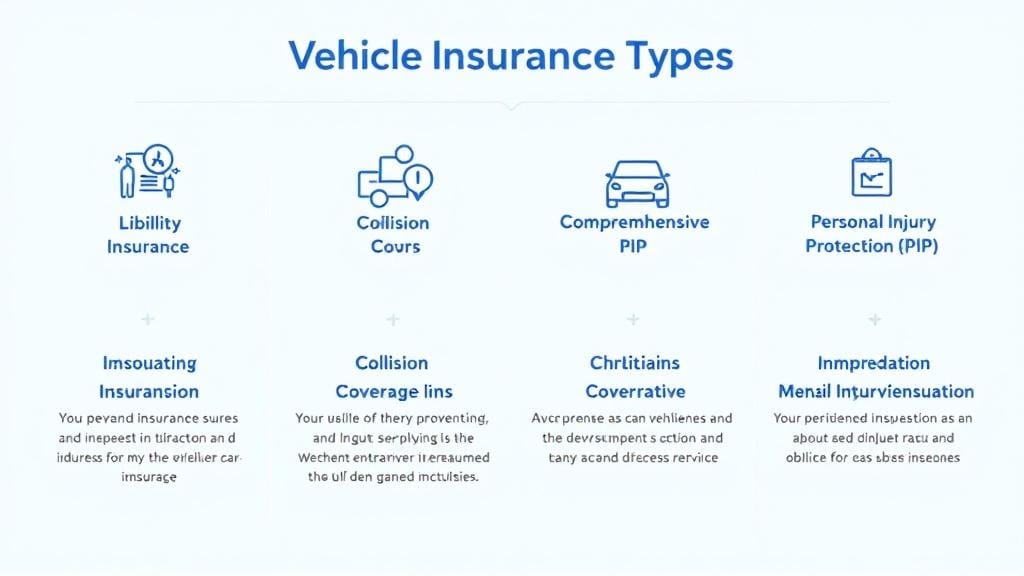
Here are the most common car insurance types:
1. Liability Vehicle Insurance
Liability vehicle insurance is the most basic type of auto insurance and is mandatory in most states. This coverage protects you if you’re at fault in an accident, covering the costs of damage to other people’s property and their medical bills. However, liability insurance does not cover your own car’s repairs or injuries.
Key Features:
-
Covers damage to others if you’re at fault.
-
Doesn’t cover your car’s repairs or your own medical bills.
-
Cheapest form of car insurance.
Best for: Drivers who have an older car or minimal driving habits and want to keep costs low.
2. Collision Car Insurance
Collision car insurance covers the cost of repairs to your car after an accident, regardless of who’s at fault. This type of insurance is especially useful if you drive in high-traffic areas or have a newer car that may be costly to repair.
Key Features:
-
Covers repairs to your car after a collision.
-
Pays for repairs even if you’re at fault.
-
More expensive than liability insurance.
Best for: Drivers with newer or expensive cars who want protection in case of accidents.
3. Comprehensive Vehicle Insurance
Comprehensive vehicle insurance covers damages to your car that are not caused by a collision. This includes incidents such as theft, vandalism, fire, or natural disasters like hail or flooding.
Key Features:
-
Covers non-collision events (e.g., theft, fire, vandalism).
-
Pays for damages not caused by accidents.
-
Typically the most expensive type of car insurance.
Best for: Drivers who own new or luxury cars, or those living in areas prone to natural disasters or high crime rates.
4. Personal Injury Protection (PIP)
Personal Injury Protection (PIP) is a type of auto insurance that covers medical expenses for you and your passengers after an accident, regardless of who is at fault. It’s a no-fault insurance that can cover lost wages, medical bills, and even funeral expenses in some cases.
Key Features:
-
Covers medical expenses and lost wages.
-
No-fault insurance—doesn’t depend on who caused the accident.
-
Available in no-fault insurance states.
Best for: Drivers who want to make sure their medical expenses are covered, especially if they have limited health insurance.
5. Uninsured/Underinsured Motorist Coverage
This type of auto insurance coverage protects you if you’re involved in an accident with a driver who either doesn’t have insurance or doesn’t have enough coverage to pay for the damages.
Key Features:
-
Covers damages from drivers who are uninsured or underinsured.
-
Can help pay for repairs, medical expenses, and legal fees.
-
Often required in some states.
Best for: Drivers who want to protect themselves from accidents with uninsured or underinsured drivers.
6. Full Coverage Car Insurance
Full coverage car insurance is a combination of several types of insurance: liability, collision, and comprehensive coverage. This is a comprehensive insurance policy that offers a broad level of protection.
Key Features:
-
Includes liability, collision, and comprehensive coverage.
-
Offers extensive protection for your vehicle.
-
More expensive due to the high level of coverage.
Best for: Drivers who want complete peace of mind and are willing to pay higher premiums for broad protection.
How to Choose the Best Vehicle Insurance Coverage
Choosing the right vehicle insurance plans depends on various factors, such as your budget, driving habits, and the type of vehicle you own. Here’s how to make an informed decision:
1. Consider Your Car’s Value
If you own a luxury car or a new vehicle, opting for comprehensive vehicle insurance and collision coverage is a good idea. These types of insurance will ensure that your car is protected against a wide range of incidents.
For older cars that have a lower market value, you might consider dropping collision and comprehensive coverage in favor of basic liability insurance, which is more affordable.
2. Evaluate Your Driving Habits
If you’re a frequent driver and spend a lot of time on the road, having collision car insurance and comprehensive coverage is important. For those who drive less or have a safe driving record, a basic liability vehicle insurance policy might suffice.
3. Check State Requirements
Most states require drivers to have at least liability coverage. Make sure you meet the state’s minimum insurance requirements before choosing a policy. Some states may also have requirements for personal injury protection (PIP) or uninsured motorist coverage.
4. Consider Your Budget
More coverage typically means higher premiums. However, cutting costs by opting for only basic vehicle insurance can leave you exposed in case of an accident. Always balance cost and coverage to find a policy that works for your budget.
Comprehensive vs. Collision Insurance: Which is Right for You?
When deciding between comprehensive and collision insurance, it’s important to consider the type of protection you need.
-
Collision insurance is best if you want coverage for accidents, regardless of fault.
-
Comprehensive insurance is best if you want protection from non-accident-related incidents like theft, vandalism, or natural disasters.
If you’re unsure, many people choose a combination of both for full coverage car insurance, which offers the broadest protection.
FAQs on Vehicle Insurance Types
1. What are the different types of car insurance coverage?
The main types of car insurance coverage include liability, collision, comprehensive, personal injury protection (PIP), and uninsured motorist coverage. Each offers different levels of protection based on your needs and preferences.
2. How do I know which vehicle insurance type is best for me?
The best vehicle insurance coverage for you depends on factors such as the value of your car, your driving habits, and your budget. For example, if you have a new or expensive car, comprehensive and collision insurance might be necessary. If you own an older car, basic liability might be sufficient.
3. What is the difference between liability and collision insurance?
Liability insurance covers damage you cause to others in an accident, while collision insurance covers damage to your own vehicle after an accident, regardless of fault. Both are essential in different situations.
4. What is full coverage car insurance?
Full coverage car insurance typically includes liability, collision, and comprehensive coverage. It provides the highest level of protection, covering a wide range of scenarios from accidents to theft.
5. Do I need personal injury protection (PIP) coverage?
Personal Injury Protection is useful if you want coverage for medical expenses, lost wages, and other costs following an accident. It is mandatory in some states and optional in others.
6. What is uninsured motorist coverage?
Uninsured motorist coverage helps pay for damages if you’re in an accident with someone who doesn’t have enough insurance to cover the costs. It protects you in cases where the at-fault driver is uninsured or underinsured





Comments (0)