
When you purchase a used car, it’s easy to focus on the excitement of the new-to-you vehicle and forget about one crucial element of car ownership: insurance. While you’re excited to drive your pre-owned car off the lot, you need to ensure you’re fully covered in case the unexpected happens. Getting the right insurance for used cars is more than just a legal requirement—it’s an investment in your peace of mind.
In this guide, we’ll walk you through everything you need to know about used car insurance coverage, from choosing the best plan to finding affordable options. Whether you’re looking for cheap used car insurance or full coverage insurance for used cars, we’ve got you covered.
What is Used Car Insurance?
Used car insurance is essentially a car insurance policy designed for vehicles that are not brand new. Unlike new cars, used cars may have higher depreciation rates, more mileage, and a history of accidents, which can affect the type of coverage you need.
Whether your used car is a few years old or a decade old, understanding the different insurance options will help you secure the best deal that fits your needs.
Types of Insurance for Used Cars
When shopping for insurance for pre-owned cars, it’s important to know the different types of coverage that are available to you. The type of insurance you need will depend on several factors, including the age of the car, its value, and how much protection you want.
1. Liability Insurance for Used Cars
Liability insurance is typically the minimum required by law. This covers damages you may cause to another person or their property in the event of an accident. For used cars, this is often the most affordable type of insurance.
-
Pros: Affordable and required by law.
-
Cons: Doesn’t cover damage to your own car.
2. Collision Coverage
If you’re involved in an accident, collision coverage will pay for repairs to your used car. Even if you’re at fault, your insurance will cover the cost of getting your vehicle back on the road.
-
Pros: Useful for preventing high repair costs after accidents.
-
Cons: Can be expensive for high-mileage used cars.
3. Comprehensive Insurance
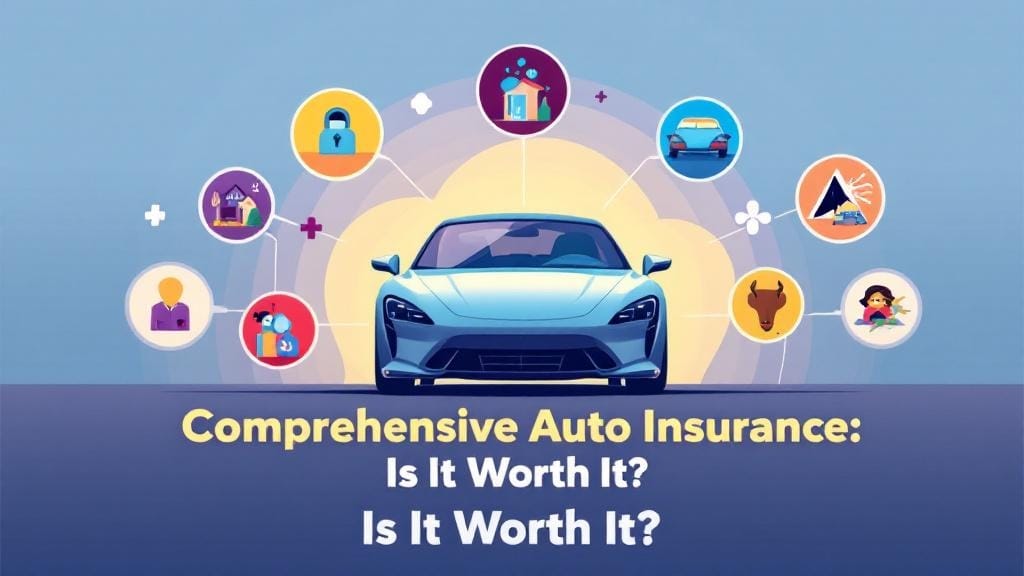
Comprehensive insurance covers damage to your vehicle caused by events other than accidents, such as theft, vandalism, or natural disasters. If you want to be fully protected, especially if your used car has significant value, comprehensive insurance is a smart choice.
-
Pros: Wide-ranging coverage.
-
Cons: Can increase your car insurance premiums.
4. Uninsured/Underinsured Motorist Coverage
This type of coverage protects you if you’re involved in an accident with a driver who doesn’t have enough insurance. While not required in every state, this is worth considering, especially if you live in an area where uninsured drivers are common.
-
Pros: Provides coverage if the other driver lacks insurance.
-
Cons: May not be necessary in states where this is already included in liability insurance.
5. Full Coverage Insurance for Used Cars
If you want the peace of mind that comes with comprehensive protection, consider full coverage. This typically combines liability insurance with collision and comprehensive coverage, ensuring that you’re protected in almost every scenario.
-
Pros: Covers almost all possible damages.
-
Cons: Often more expensive, especially for older cars.
Factors That Affect Used Car Insurance Rates
When looking for affordable insurance for used vehicles, several factors will affect the price of your premiums. While the cost of insurance can vary, here are a few key things that insurance providers take into account:
-
Car Model and Age: Older cars tend to cost less to insure, but they may have limited availability for comprehensive coverage options. The VIN check of your car will help determine its exact value and the type of coverage available.
-
Mileage: Cars with higher mileage are considered higher risk, which may increase your insurance rates. If you’re looking for cheap used car insurance, consider cars with lower mileage, as these are less likely to break down or incur costly damages.
-
Your Driving History: If you’ve had accidents or traffic violations in the past, your car insurance premiums may be higher.
-
Deductibles: Your deductible is the amount you pay out of pocket before your insurance covers the rest. Higher deductibles usually result in lower premiums, but it’s important to choose a deductible you can afford in case of an accident.
-
Location: Your insurance rates will also depend on where you live. Areas with higher accident rates, more traffic, or a history of theft can raise your used car insurance rates.
How to Find the Best Insurance for Second-Hand Cars
Finding the best insurance for second-hand cars can feel overwhelming, but breaking it down step by step can simplify the process. Here’s how you can get the coverage you need:
1. Compare Used Car Insurance Quotes
Start by getting quotes from multiple insurance providers. This is one of the easiest ways to ensure you’re getting the most competitive rates for your used car. Don’t forget to factor in the type of coverage each quote includes.
-
Tip: Many insurance companies offer discounts if you bundle car insurance with other policies, such as home or life insurance.
2. Consider Insurance for Pre-Owned Cars with Lower Mileage
While it may seem tempting to go for a cheaper used car with high mileage, keep in mind that cars with lower mileage generally have lower insurance rates. If you’re looking for insurance for pre-owned cars, be sure to ask about discounts for vehicles with fewer miles.
3. Evaluate Coverage Limits
When choosing an insurance plan, always check the coverage limits. Some plans may have low limits that won’t fully cover the cost of repairs or replacement in case of a severe accident. Be sure to read the fine print to understand the maximum payout for each type of coverage.
4. Look for Additional Discounts
Insurance providers often offer discounts for factors such as safe driving, anti-theft devices, or being a good student. Even if you’re driving a used car, you might qualify for discounts that make used vehicle insurance options more affordable.
Why You Should Consider Full Coverage for Older Cars
One of the common debates when buying insurance for used cars is whether to go for full coverage or just stick with the basic options. While it’s true that the value of older cars is lower than that of new ones, full coverage can still be a good idea for certain scenarios.
-
Risk of Severe Damage: If your used car is involved in a serious accident, the repair costs could exceed its market value. Full coverage can protect you from financial losses in these cases.
-
Comprehensive Protection: As mentioned earlier, comprehensive insurance covers a variety of events like theft, fire, or vandalism. If your used car is in good condition or has sentimental value, this can be a worthwhile investment.
FAQs About Insurance for Used Cars
1. What’s the cheapest insurance for a used car?
The cheapest insurance will depend on your car’s make, model, and age, as well as your location and driving history. However, basic liability insurance for used cars is usually the least expensive option.
2. Can I get full coverage for an older car?
Yes, many insurance providers offer full coverage for used cars, though the premiums may be higher depending on the car’s value and condition.
3. Is it worth getting comprehensive coverage on a used car?
If your used car is worth a significant amount or is in excellent condition, comprehensive insurance might be worth the investment. However, if your car has high mileage and low value, it may not be cost-effective.
4. How do I compare used car insurance quotes?
To compare used car insurance quotes, you’ll need to provide information like your car’s make, model, year, and VIN. You can then compare the coverage options, premiums, and customer reviews to find the best deal.
5. How do insurance rates differ for older cars?
Insurance rates for older cars are typically lower than for new cars, but they also tend to have less coverage available, especially if the car has high mileage or a history of accidents.





Comments (0)