
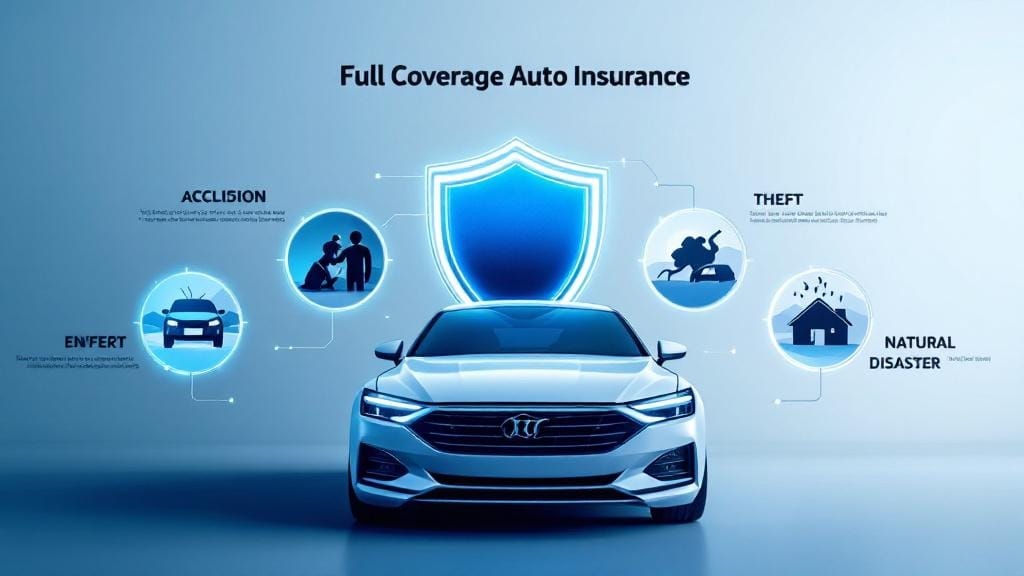
When it comes to protecting your vehicle and finances, full coverage auto insurance is one of the most comprehensive options available. But what exactly does it cover, and is it the right choice for you? In this guide, we’ll break down everything you need to know about full coverage car insurance, helping you understand the types of protection it offers, how it compares to other policies, and how to find the best full coverage car insurance rates.
What is Full Coverage Auto Insurance?
Before diving into the specifics, let’s start by defining full coverage auto insurance. Simply put, it’s an insurance policy that provides a broad range of protections for your vehicle. While the exact coverage may vary slightly by provider or region, full coverage typically includes:
-
Collision insurance: Covers damages to your car if you’re involved in a crash, regardless of who is at fault.
-
Comprehensive coverage: Protects against non-collision-related incidents like theft, vandalism, natural disasters, and animal damage.
-
Liability insurance: Covers damages to others’ property or injuries in accidents where you’re at fault.
This combination of protections provides peace of mind for most drivers, as it covers both at-fault and non-fault incidents. However, it’s important to remember that full coverage is not a one-size-fits-all policy. It’s essential to tailor your policy to meet your specific needs and driving habits.
Why Should You Consider Full Coverage Auto Insurance?
Many drivers opt for full auto insurance policies for the added protection and sense of security they provide. Here are a few reasons why full coverage could be the right choice for you:
1. Protection Against a Wide Range of Risks
Full coverage doesn’t just protect your car in accidents. It also shields you from things like theft, fire, vandalism, and other unexpected events. If you live in an area prone to hailstorms or flooding, comprehensive coverage can be invaluable.
2. Peace of Mind
Driving with full protection means you won’t have to worry about significant out-of-pocket expenses if your vehicle is damaged. You can rest easy knowing you’re covered in almost any scenario.
3. Required for Financing or Leasing
If you’re financing or leasing your vehicle, your lender or leasing company may require you to carry full coverage auto insurance. This protects their investment in case something happens to the car.
4. High-Value or New Cars
If you drive a new or high-value car, it makes sense to invest in full coverage. In the event of a total loss, the replacement cost can be significant, and full coverage ensures you’re not left paying for a car out of pocket.
The Key Components of Full Coverage Auto Insurance
To understand how full coverage auto insurance works, it’s essential to know the individual components that make it up. Here’s a breakdown of the coverage types typically included:
1. Collision Insurance
Collision insurance is part of full coverage and protects you when your vehicle is damaged due to a crash, no matter who’s at fault. If you collide with another vehicle, a guardrail, or any object, your collision insurance will help cover the repair or replacement costs.
2. Comprehensive Coverage
Comprehensive coverage, also known as “other than collision” coverage, covers damages caused by non-collision events, such as:
-
Theft
-
Vandalism
-
Fire
-
Animal collisions (e.g., hitting a deer)
-
Natural disasters (hail, floods, etc.)
3. Liability Insurance
Liability insurance is essential if you’re found at fault in an accident. This coverage helps pay for:
-
Property damage: Repairs to other people’s cars or property.
-
Bodily injury: Medical expenses and legal fees for other drivers and passengers.
Liability insurance is often mandatory in most states, but it’s important to have enough coverage to protect yourself in case of a serious accident.
4. Uninsured/Underinsured Motorist Coverage
This coverage protects you if you’re involved in an accident with a driver who doesn’t have sufficient insurance. While it’s not always included in full coverage policies, it can be added for extra protection.
5. Medical Payments/Personal Injury Protection (PIP)
Medical payments and PIP coverage provide compensation for medical expenses if you or your passengers are injured in an accident. It can also cover lost wages, depending on the policy.
How Much Does Full Coverage Auto Insurance Cost?
One of the most common questions people have when considering full coverage car insurance is: How much will it cost?
The cost of full coverage varies based on several factors, including:
-
Vehicle make and model: High-value cars, sports cars, and luxury vehicles tend to cost more to insure.
-
Age and driving experience: Younger drivers, especially teens, usually face higher premiums.
-
Driving history: A clean driving record can lower your rates, while accidents or violations will increase premiums.
-
Location: Insurance rates are often higher in urban areas due to a higher likelihood of accidents, theft, or vandalism.
-
Coverage limits and deductibles: Higher coverage limits and lower deductibles generally increase the cost of your premiums.
For example, the average cost of full coverage auto insurance in the U.S. is around $1,500 annually, but this number can vary significantly based on the factors mentioned above.
How to Find the Best Full Coverage Car Insurance
Finding the best full coverage car insurance doesn’t have to be difficult. Here are some tips to help you navigate your options:
1. Shop Around for Quotes
Don’t settle for the first quote you receive. Compare full coverage car insurance quotes from multiple providers to find the best rates and coverage options. Many companies offer online quote tools, making it easy to compare prices in just a few minutes.
2. Evaluate the Coverage Options
Different insurance companies may offer varying coverage options. Be sure to review what’s included in the policy, such as comprehensive coverage, collision insurance, and liability protection. Some companies might offer additional perks like roadside assistance or rental car coverage.
3. Check for Discounts
Insurance providers often offer discounts for safe driving, bundling policies (e.g., home and auto), or having safety features like anti-theft devices in your car. Ask your insurer about potential discounts to lower your premiums.
4. Review the Insurer’s Reputation
Choose an insurance company with a solid reputation for customer service and claims processing. Reading reviews and checking ratings from independent agencies like J.D. Power or AM Best can help you gauge the reliability of the insurer.
5. Consider Your Deductible
Higher deductibles can lower your monthly premium, but they also mean higher out-of-pocket costs if you need to file a claim. Choose a deductible that aligns with your budget and comfort level.
Full Coverage vs. Liability Insurance: What’s the Difference?
When comparing auto insurance options, it’s common to hear about full coverage vs. liability insurance. Here’s a quick breakdown:
-
Liability insurance: Covers damage to other people’s property and medical expenses if you’re at fault in an accident. It doesn’t cover damage to your own car.
-
Full coverage insurance: Includes liability insurance and additional protection for your own vehicle, such as collision and comprehensive coverage.
While liability insurance is typically less expensive, full coverage is more comprehensive, offering better protection if you’re involved in a severe accident or if your car is damaged by something other than a collision.
FAQs About Full Coverage Auto Insurance
1. What does full coverage auto insurance include?
Full coverage auto insurance typically includes collision and comprehensive coverage, along with liability insurance. Some policies may also offer additional protection like uninsured motorist coverage and medical payments.
2. Is full coverage insurance worth it for older cars?
If your car is older and has a lower market value, it might not be worth paying for full coverage, as the cost of the premiums may exceed the potential payout in the event of an accident. Consider affordable full coverage insurance options or switching to a liability-only policy.
3. How do I reduce the cost of full coverage car insurance?
To reduce your full coverage car insurance cost, consider raising your deductible, bundling insurance policies, and taking advantage of discounts for safe driving, anti-theft devices, or good student status.
4. What is the best full coverage car insurance for young drivers?
For young drivers, look for affordable full coverage insurance options that offer good rates for less experienced drivers. Companies like Geico, State Farm, and Progressive are known for competitive rates for younger drivers.
5. Can I add collision insurance to a basic auto policy?
Yes, collision insurance can be added to a basic auto insurance policy to make it a more comprehensive coverage plan. However, you’ll need to check with your insurer for details on policy upgrades.





Comments (0)