
When it comes to car insurance, one of the most important decisions you’ll make is choosing the right type of coverage. Among the most common options are full coverage vs. liability car insurance. Understanding the differences between these two can save you money and ensure you have the protection you need. So, how do you decide which option is best for you?
In this post, we’ll break down what full coverage and liability insurance are, compare their costs and benefits, and help you make an informed decision. Plus, we’ll explore key questions like when to drop full coverage car insurance and how to switch from full coverage to liability.
What Is Full Coverage Car Insurance?
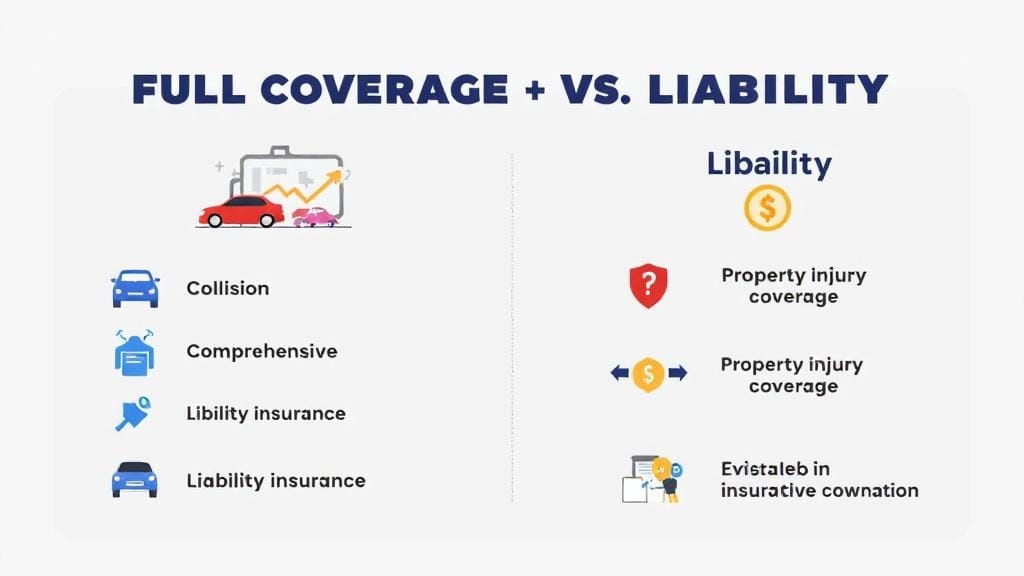
Before diving into the differences, let’s first define what full coverage car insurance actually means. While there is no official legal definition, full coverage typically refers to a policy that includes both liability coverage and comprehensive and collision coverage.
-
Liability coverage helps pay for damages to another person’s property or medical expenses if you’re at fault in an accident.
-
Comprehensive coverage covers damages to your car not caused by a collision, such as theft, vandalism, or weather-related incidents.
-
Collision coverage covers damages to your car from a crash, regardless of who is at fault.
With full coverage car insurance, you’re getting a more robust protection package, ensuring that you’re financially covered in nearly any scenario. However, it comes with a higher price tag, which leads many people to consider whether it’s the right choice.
What Is Liability Car Insurance?
Liability car insurance is often the minimum required by law in many states. It typically covers the following:
-
Bodily injury liability: This pays for medical expenses, lost wages, and other costs if you cause an accident that injures someone else.
-
Property damage liability: This pays for damages you cause to someone else’s property, like their car, fence, or building.
What liability insurance does not cover is your own damages or injuries. It’s a more basic level of protection, but it’s often sufficient if you’re a safe driver or have a vehicle that doesn’t hold much value.
Key Differences Between Full Coverage and Liability Insurance
1. Coverage Scope
-
Full Coverage: Covers a broad range of situations—accidents, theft, vandalism, and natural disasters. Includes liability, comprehensive, and collision coverage.
-
Liability: Covers only the damage you cause to other people’s property and their injuries. Does not cover your own car or medical expenses.
2. Cost
-
Full Coverage: More expensive due to the additional comprehensive and collision coverage. The exact cost will depend on factors like the make and model of your car, your location, and your driving history.
-
Liability: Less expensive, making it a good choice for older cars or drivers who want to minimize costs.
3. Vehicle Protection
-
Full Coverage: Protects your car no matter who is at fault, including in non-collision scenarios like theft or weather-related damages.
-
Liability: Only protects the other party in the event of an accident, not your own vehicle.
4. State Requirements
-
Full Coverage: Not required by law, but it may be required if you have a car loan or lease.
-
Liability: Required by most states to legally drive, though the exact requirements vary from state to state.
Full Coverage vs. Liability Insurance Cost: Which is More Expensive?
The most noticeable difference between these two types of coverage is the cost. Full coverage car insurance is typically more expensive than liability insurance because it offers broader protection.
-
Full Coverage Cost: The average cost of full coverage is usually 2 to 3 times higher than liability-only coverage. However, if you have a new or valuable car, it may be worth the extra expense.
-
Liability Insurance Cost: Liability coverage is significantly cheaper. If you have an older car that’s not worth much, liability insurance might be the more cost-effective choice.
It’s important to note that premiums can vary based on several factors, including your driving record, age, the car’s make and model, and even where you live. A clean driving record can lower your premiums, regardless of the coverage type.
How to Choose Between Full Coverage and Liability Insurance
Choosing the right insurance policy depends on a few key factors:
1. Age and Value of Your Car
-
Newer or High-Value Car: If your car is new or worth a significant amount, full coverage is generally a good idea. It protects your investment in case of an accident or non-collision damage (like theft or fire).
-
Older or Low-Value Car: If your car is older or doesn’t hold much value, you might want to consider liability insurance. In the event of a total loss, you might not receive enough from your insurance payout to justify the higher premiums of full coverage.
2. Your Driving Habits
-
Frequent Drivers: If you drive a lot, full coverage might be beneficial to protect against the increased risk of accidents.
-
Occasional Drivers: If you don’t drive much, liability insurance might provide adequate protection.
3. Your Financial Situation
-
Can You Afford a High Deductible?: Full coverage usually comes with a deductible. Consider whether you can afford to pay the deductible in the event of a claim.
-
Saving on Premiums: If money is tight, liability insurance can be a great way to save, especially if you don’t feel the need for comprehensive coverage.
4. State Requirements
-
Minimum Insurance: Always check your state’s minimum insurance requirements. Even if you opt for full coverage, you’ll need to make sure your policy meets the minimum liability requirements.
When to Drop Full Coverage Car Insurance
If you currently have full coverage but are considering dropping it, here are some factors to help you decide:
-
Car Age: If your car is more than 10 years old or its market value has significantly depreciated, it may not make sense to keep full coverage. In this case, switching to liability may save you money.
-
Cost of Premiums: If the premiums for full coverage are too high and you can’t afford them, liability may be a more affordable option.
-
Claims History: If you’ve never had to file a claim, you might be more confident in dropping full coverage.
Switching From Full Coverage to Liability: A Step-by-Step Guide
If you decide that liability insurance is a better option for you, here’s how to make the switch:
-
Check Your Policy: Before switching, review your full coverage policy and ensure you understand the terms, including your deductible and any gaps in coverage.
-
Compare Quotes: Shop around for liability car insurance quotes. Compare premiums and coverage options from different insurers.
-
Update Your Coverage: Once you’ve found a suitable policy, contact your insurance company to update your coverage. Make sure to keep your proof of insurance up to date.
-
Notify Your Lender: If you have a car loan, make sure to notify your lender of the coverage change, as some loans may require full coverage.
-
Cancel Old Policy: If necessary, cancel your previous full coverage policy once the new liability policy is in effect.
FAQs: Full Coverage vs. Liability Car Insurance
1. What’s the main difference between full coverage and liability insurance?
-
Full coverage includes liability, collision, and comprehensive insurance, while liability insurance only covers damage to other people’s property or injuries you cause.
2. Is full coverage car insurance worth it?
-
It depends on your car’s value, your financial situation, and your driving habits. If your car is new or valuable, full coverage is often worth the extra cost.
3. When should I drop full coverage insurance?
-
Consider dropping full coverage if your car is old, not worth much, or if the cost of the premiums exceeds the value of the car.
4. How can I reduce the cost of full coverage?
-
Increasing your deductible, maintaining a good driving record, and shopping around for better rates can help reduce the cost of full coverage insurance.
5. Can I switch from full coverage to liability anytime?
-
Yes, you can switch to liability insurance, but make sure you are no longer required to have full coverage (for example, if you have a loan on your vehicle).





Comments (0)