
Car insurance is one of the most important purchases you’ll make as a driver. Not only does it protect you financially in case of an accident, but it’s also required by law in most places. However, finding the best car insurance rates can be tricky. With so many options available, it’s easy to feel overwhelmed. In this guide, we’ll walk you through how to find affordable and low-cost car insurance options without compromising on coverage.
Why Finding the Best Car Insurance Rates is Crucial
Before we dive into how to find the best rates, let’s take a moment to understand why it’s so important. Car insurance rates can vary greatly depending on several factors. These include:
-
Your driving history
-
The type of car you drive
-
Where you live
-
Your age, gender, and other demographic factors
It’s essential to secure the best car insurance rates because they can significantly impact your finances. A higher premium could eat into your monthly budget, while a lower rate can leave you vulnerable in case of an accident.
The key is to balance affordability and adequate coverage—and we’ll show you how to do just that.
How to Get the Best Car Insurance Rates
1. Start with a Car Insurance Comparison
One of the easiest ways to find the best auto insurance rates is by comparing different policies. Online tools and websites allow you to input your details and receive quotes from multiple insurance providers in just minutes.
-
Car insurance comparison websites like Compare.com or The Zebra give you a snapshot of the best prices in the market.
-
These tools show you policies that meet your needs, allowing you to compare coverage options and premium prices.
2. Consider Low-Cost Car Insurance Options
Sometimes, low-cost car insurance doesn’t mean sacrificing quality. In fact, many insurers offer basic policies that are affordable yet still cover you in case of an accident.
Consider the following when searching for affordable car insurance rates:
-
Minimum liability coverage: This type of insurance is typically cheaper but still required by law in most states. It covers damages to others in case you’re at fault in an accident.
-
High-deductible policies: By increasing your deductible (the amount you pay out-of-pocket before the insurance kicks in), you can lower your monthly premiums.
3. Look for Car Insurance Discounts
Another great way to reduce your premiums is by taking advantage of car insurance discounts. Many providers offer discounts for things like:
-
Bundling your car and home insurance policies
-
Safe driving habits
-
Low-mileage discounts if you drive less than a certain number of miles each year
-
Good student discounts for younger drivers with good grades
-
Military discounts for veterans or active-duty service members
You may also be eligible for discounts if your car has certain safety features, like anti-theft devices or airbags.
4. Use Online Car Insurance Rates Estimators
Did you know that you can estimate your vehicle insurance cost before even requesting a formal quote? Online rate estimators let you see approximate prices based on your profile. This can help you make an informed decision before getting a full quote.
Some of the best online car insurance rates estimators include:
-
GEICO’s Insurance Calculator
-
Progressive’s Compare & Save Tool
-
State Farm’s Rate Quote Tool
These tools use information like your age, location, and car make/model to give you an estimated premium.
5. Understand Car Insurance Coverage Options
When searching for cheapest car insurance, don’t just focus on the premium. It’s important to know what type of coverage you need:
-
Liability insurance: This is the most basic form of coverage and is usually the least expensive. It covers injuries and damages to others if you’re at fault.
-
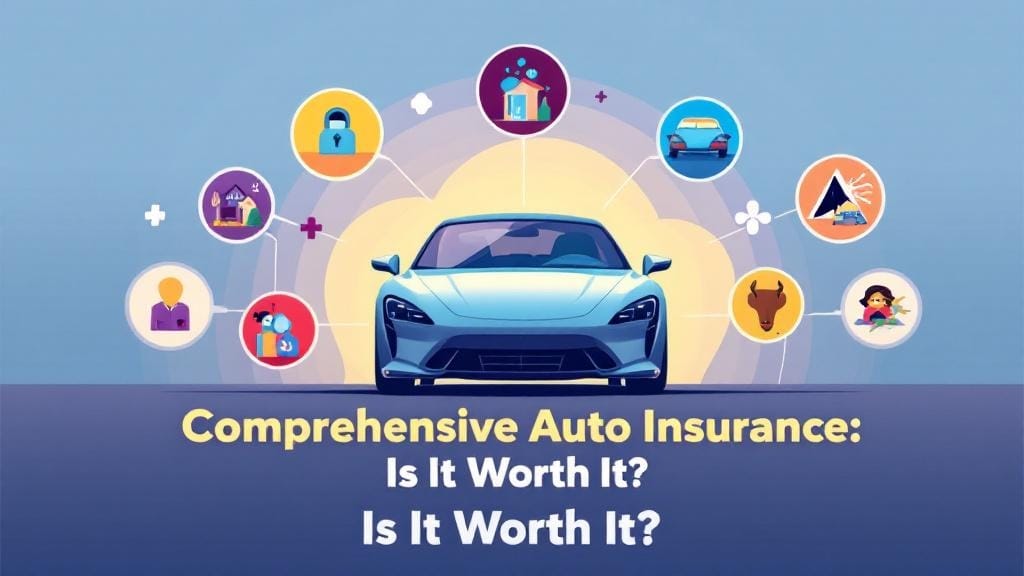
Comprehensive car insurance: This covers damage to your vehicle that isn’t caused by a collision, such as theft or weather-related incidents. It’s typically more expensive but could save you in the long run.
-
Collision insurance: This covers repairs to your car after an accident, regardless of who’s at fault.
-
Uninsured/underinsured motorist coverage: This can help protect you if you’re in an accident with a driver who doesn’t have enough insurance to cover the damage.
Understanding these car insurance policy options allows you to make an educated decision about what’s worth the extra cost and what’s unnecessary.
Tips for Saving on Car Insurance
Now that we’ve discussed how to get the best rates, let’s explore some real-life strategies to help you save even more.
1. Keep a Clean Driving Record
One of the easiest ways to reduce your auto insurance rates is by keeping a clean driving record. Insurers view drivers with fewer accidents and violations as less risky. If you’ve had accidents in the past, work on improving your driving habits to get better rates over time.
2. Consider Usage-Based Insurance
Some insurers offer usage-based insurance, where your premiums are based on how much you drive. If you’re someone who drives infrequently, this could be a great option to lower your premiums. Programs like Progressive’s Snapshot or Allstate’s Drivewise monitor your driving habits and adjust your rates accordingly.
3. Review Your Policy Regularly
Your car insurance coverage needs may change over time. For example, if you pay off your car loan, you might not need comprehensive or collision coverage. By reviewing your policy every six months, you can make adjustments that will lower your insurance premiums.
4. Maintain a Good Credit Score
Believe it or not, your credit score can impact your insurance premiums. Insurers in most states use your credit score as a factor in determining how much you’ll pay for coverage. A higher score often translates to lower premiums, so it’s worth working on improving your credit.
Common FAQs About Car Insurance Rates
1. How can I get the cheapest car insurance rates for young drivers?
Young drivers typically pay higher premiums due to their inexperience. However, you can reduce rates by:
-
Taking a defensive driving course
-
Getting good student discounts
-
Choosing a car with lower insurance rates
-
Staying on a parent’s policy
2. What factors influence car insurance premiums?
Several factors can impact your premiums, including:
-
Your age and driving history
-
Your car’s make, model, and age
-
Where you live
-
Your credit score
-
Your coverage options
3. What is the difference between liability and comprehensive insurance?
-
Liability insurance covers damages to others when you’re at fault.
-
Comprehensive insurance covers damages to your own vehicle not related to a collision, like theft or weather damage.
4. How do I compare car insurance rates effectively?
To compare car insurance quotes effectively, make sure you:
-
Compare similar coverage options
-
Look for discounts offered by each insurer
-
Read reviews and check for customer satisfaction
-
Consider both the cost and the coverage quality
5. Is it better to get a higher deductible to lower premiums?
Choosing a higher deductible can lower your monthly premiums, but it also means you’ll pay more out-of-pocket if you file a claim. Make sure you can afford the deductible in case of an emergency.
6. What is the minimum car insurance required by law?
The minimum required liability insurance varies by state. It typically includes bodily injury and property damage coverage. Check your state’s requirements to make sure you meet the legal minimum.





Comments (0)