
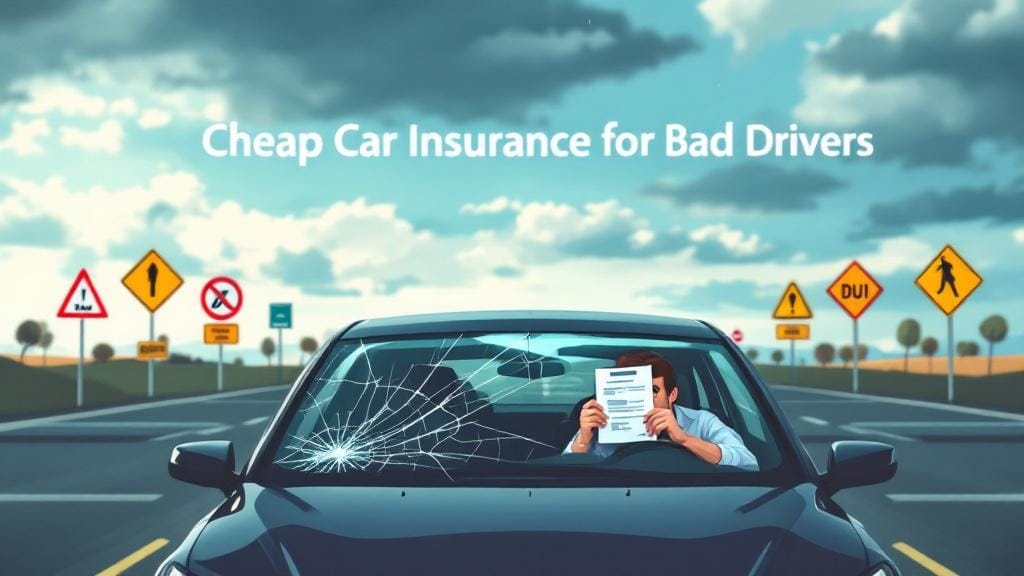
Getting affordable car insurance as a bad driver can feel like an impossible task. Whether you’ve had a few accidents, racked up some speeding tickets, or even dealt with a DUI, the cost of auto insurance can skyrocket when you’re considered a high-risk driver. But don’t worry—there are ways to lower your premiums, even if your driving history isn’t perfect. In this comprehensive guide, we’ll explore how to get cheap car insurance for bad drivers, what factors influence your insurance premium rates, and share practical tips that could save you money.
Table of Contents
-
Understanding High-Risk Drivers
-
Factors That Affect Your Car Insurance Premiums
-
Tips to Lower Car Insurance Costs for Bad Drivers
-
Best Insurance Options for High-Risk Drivers
-
Frequently Asked Questions (FAQs)
Understanding High-Risk Drivers
A “bad driver” is generally classified as someone who has a history of traffic violations, accidents, or other risky driving behaviors. If you have a poor driving record—whether due to speeding tickets, accidents, or a DUI conviction—you may be considered a high-risk driver. High-risk drivers are typically charged higher premiums because insurers believe they are more likely to file claims.
Common Characteristics of High-Risk Drivers:
-
Multiple Accidents or Claims: If you’ve been involved in multiple accidents or have a history of claims, insurance companies see you as a bigger liability.
-
Traffic Violations: Speeding tickets, running red lights, or even minor infractions can add up and hurt your driving record.
-
Driving Under the Influence (DUI): A DUI conviction is one of the most serious offenses that will increase your insurance rates drastically.
-
License Suspensions: If your driver’s license has been suspended, it can make finding affordable coverage challenging.
-
Points on Your License: Accumulating too many points for traffic violations can put you in the high-risk category.
Factors That Affect Your Car Insurance Premiums
Your premium rates are determined by several factors, and some of them are under your control. While you can’t change your driving history overnight, understanding what factors insurers look at can help you find ways to lower your premiums.
1. Driving Record: The primary factor that influences your premiums. The more violations and accidents you have, the higher your rates.
2. Type of Coverage: Choosing a lower level of coverage, such as liability insurance instead of full coverage, can significantly reduce your premium.
3. Location: Where you live impacts your rates. Urban areas tend to have higher premiums due to the increased likelihood of accidents and theft.
4. Vehicle Type: Sports cars and luxury vehicles often come with higher premiums because they’re more expensive to repair or replace.
5. Age and Gender: Younger drivers and male drivers statistically cause more accidents, making their insurance rates higher.
6. Insurance History: A history of continuous coverage (no lapses in insurance) can lower your premium, as insurers see you as a responsible driver.
Tips to Lower Car Insurance Costs for Bad Drivers
Even if you have a poor driving record, there are still ways to secure affordable car insurance. Here are some proven strategies that could help you save:
1. Shop Around for Quotes
Different insurers have different pricing models, so don’t settle for the first quote you receive. Request quotes from at least three to five insurance companies. You can also check online comparison tools to get a sense of what different insurers offer.
2. Consider Minimum Coverage
If you’re looking for budget auto insurance for a DUI driver or someone with accidents in their past, opting for the minimum required coverage can be a cost-effective choice. This typically includes liability insurance, which covers injuries or damages you cause to others, but doesn’t cover your own damages.
3. Raise Your Deductible
Increasing your deductible—the amount you pay out of pocket before your insurance kicks in—can lower your premium. Just make sure you can afford the higher deductible if you have to file a claim.
4. Take a Defensive Driving Course
Many insurers offer discounts to drivers who complete a defensive driving course. These courses teach you how to avoid accidents and handle challenging driving situations. Check with your insurer to see if they offer discounts for taking one.
5. Consider Usage-Based Insurance
Some insurers offer usage-based insurance, which tracks how often and how safely you drive using a smartphone app or a device installed in your car. If you’re a low-mileage driver or a safe driver, this can lead to significant savings.
6. Look for Discounts
-
Safe Driver Discounts: If you’ve been accident-free for a certain number of years, you may qualify for discounts.
-
Multi-Car Discounts: If you have more than one car, insuring them with the same company can save you money.
-
Bundling Discounts: Many insurers offer discounts if you bundle your car insurance with other types of insurance, such as homeowners or renters.
7. Improve Your Credit Score
In many states, insurers use your credit score as a factor in determining your premiums. The higher your credit score, the lower your premium will likely be. If your credit score is low, consider taking steps to improve it, such as paying off credit card debt or reducing loan balances.
Best Insurance Options for High-Risk Drivers
As a bad driver, you might need to turn to insurers that specialize in high-risk policies. These insurers understand the challenges of insuring drivers with poor records, so they can offer coverage tailored to your needs.
1. Progressive – Best for Affordable Coverage
Progressive offers some of the most affordable car insurance options for drivers with poor records. They also have options for high-risk drivers, including coverage for DUIs and accidents.
2. Geico – Best for Low-Cost Auto Insurance for Bad Drivers
Geico provides low-cost auto coverage for bad driving history and high-risk drivers. Their online platform allows you to get quotes quickly, and they also offer discounts for defensive driving courses.
3. State Farm – Best for Personalized Support
State Farm is known for its excellent customer service and is a great option if you’re looking for affordable insurance with personalized support. They also offer discounts for safe driving and other risk-reducing behaviors.
4. Allstate – Best for SR22 Insurance for Bad Drivers
If you’re required to file an SR22 form after a DUI or other serious violation, Allstate is one of the best options. They offer a range of coverage options for high-risk drivers and can help you meet legal requirements.
Frequently Asked Questions (FAQs)
1. How can I get cheap car insurance with a bad driving record?
The best way to get cheap car insurance as a bad driver is to shop around, raise your deductible, and consider minimum coverage. Defensive driving courses and looking for discounts can also help lower your rates.
2. What is the best car insurance for drivers with accidents?
Insurance companies like Progressive and Geico offer affordable policies for drivers with accidents on their records. These companies specialize in high-risk drivers and provide tailored coverage options.
3. Can I get low-cost auto insurance after a DUI?
Yes, some insurers, such as Allstate and Progressive, offer affordable coverage for drivers with a DUI. You may be required to file an SR22 form, but there are still options to find budget-friendly insurance.
4. What does SR22 insurance mean for bad drivers?
An SR22 is a certificate of financial responsibility that proves you have car insurance after a serious violation like a DUI. It is often required for drivers who have had their license suspended.
5. How can I lower my car insurance premiums if I have points on my license?
You can lower your insurance premiums by taking a defensive driving course, shopping around for quotes, or raising your deductible. Many insurers also offer discounts for drivers who maintain a clean driving record after accumulating points.





Comments (0)