
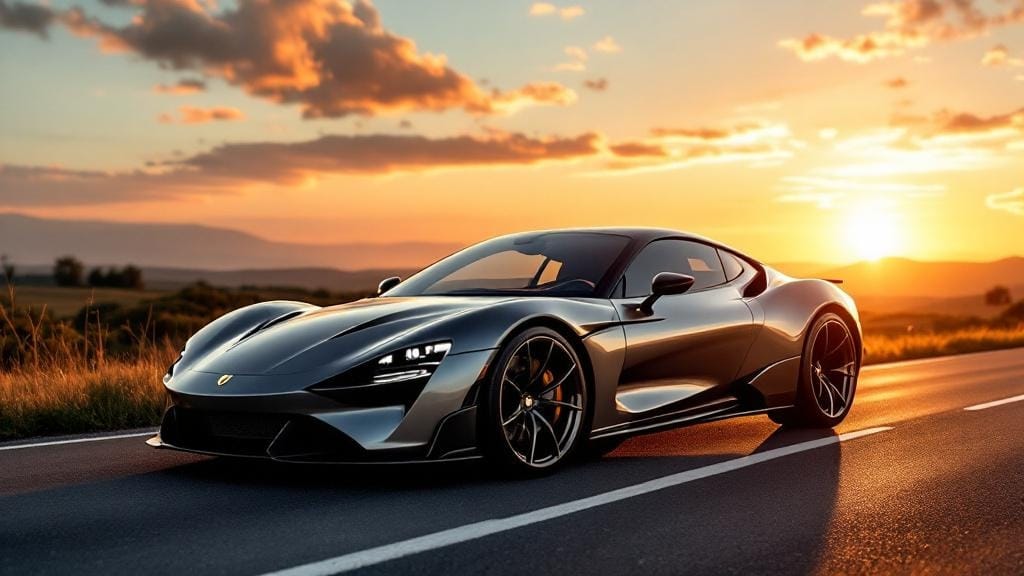
If you’re lucky enough to own a high-performance car, whether it’s a luxury vehicle, a sports car, or a modified muscle car, you know that the thrill of driving it comes with some serious responsibilities—especially when it comes to insuring your prized possession. Insuring a high-performance car is a bit more complex than insuring an everyday vehicle, thanks to higher values, faster speeds, and unique modifications that can affect coverage.
In this comprehensive guide, we’ll walk you through everything you need to know about insuring a high-performance car, including the types of coverage you should consider, how premiums are calculated, and what factors can impact your insurance rates. Whether you’re driving a sleek Ferrari, a souped-up Mustang, or a customized classic, this article will give you the expertise and insights needed to make informed decisions about your car insurance.
What is High-Performance Car Insurance?
Before we dive into the specifics of insuring a high-performance car, it’s important to understand what makes a car “high-performance” in the eyes of insurance companies. These cars are typically built for speed, agility, and overall performance. Characteristics that define high-performance vehicles include:
-
Engine size: High-performance cars usually have larger, more powerful engines.
-
Horsepower rating: These vehicles often come with significantly higher horsepower than regular cars.
-
Vehicle modifications: Many high-performance cars are modified to enhance speed, handling, or appearance.
-
Exclusivity: High-performance cars often have limited production, making them rare and expensive to repair or replace.
Types of High-Performance Car Insurance
When it comes to insuring a high-performance vehicle, you’ll have a variety of insurance options to choose from, each designed to meet the unique needs of your car. The most common types of performance car insurance include:
1. Sports Car Insurance
Sports cars, like the Porsche 911 or Chevrolet Corvette, are designed for speed and handling. Insuring these vehicles generally requires coverage that goes beyond the basics of liability insurance. A typical sports car insurance policy may include:
-
Comprehensive coverage: Protects against damage not caused by collisions, such as theft, vandalism, or weather-related damage.
-
Collision coverage: Covers the cost of repairs if you’re involved in an accident, regardless of who’s at fault.
-
Liability insurance: Covers damages to other vehicles or property if you’re found responsible for an accident.
2. Exotic Car Insurance
Exotic car insurance is often considered a specialized type of coverage. This is necessary for cars like Lamborghinis, Ferraris, and other luxury brands. Because these vehicles can be incredibly expensive to repair or replace, insurance premiums tend to be higher.
-
High-value replacement costs: Exotic cars have expensive parts and are often hand-built, which makes repairs costly. Your policy should reflect this.
-
Agreed value policies: In the event of a total loss, an agreed value policy ensures that you receive the full, pre-agreed amount for your vehicle, rather than its depreciated market value.
3. Modified Car Insurance
Many car enthusiasts enjoy modifying their vehicles to improve performance or aesthetics. Whether it’s upgrading the exhaust system, adding a supercharger, or changing the suspension, modified car insurance ensures that these custom changes are covered.
-
Custom parts and equipment coverage: Most standard car insurance policies don’t cover aftermarket modifications. It’s crucial to get this additional coverage if you’ve made any modifications.
-
Performance parts coverage: If you’ve added performance-enhancing parts, such as an upgraded turbocharger or suspension system, it’s essential to ensure that they’re protected.
4. Muscle Car Insurance
For lovers of American muscle cars, like the Dodge Challenger or Ford Mustang, muscle car insurance is designed to cover the unique risks of these high-powered vehicles. While they may not be as exotic as some other high-performance cars, their speed and power still require specialized insurance.
-
Specialized restoration coverage: Many muscle car owners restore their vehicles, so it’s important to include coverage that protects the restoration process.
-
Classic car policies: If your muscle car is a vintage model, consider a classic car insurance policy, which often includes features like agreed value coverage and lower premiums for limited-use vehicles.
5. Supercar Insurance
Supercars, like Bugattis and McLarens, are some of the most expensive vehicles to insure due to their sky-high value and engineering. Supercar insurance policies are often tailored to meet the high demands of owners who need full coverage that includes:
-
High-performance repair shops: Insurance may cover repairs at specialty shops known for handling high-end vehicles.
-
Worldwide coverage: Since many supercar owners travel internationally, having coverage that works globally is a huge plus.
6. Luxury Car Insurance
If your high-performance car falls into the luxury category, such as a Mercedes-Benz or BMW, you’ll need luxury car insurance. These cars are often equipped with cutting-edge technology and advanced safety features, which may lower insurance costs in some cases.
-
Stated value coverage: Luxury cars may have a lower depreciation rate, so stated value coverage could be ideal. This ensures you’re paid the amount necessary to replace your car in the event of a loss.
How Do Insurers Calculate High-Performance Car Insurance Premiums?
The cost of insuring a high-performance car can vary significantly from one driver to the next. However, certain factors tend to influence premiums more than others. Here are some of the key considerations:
1. Age and Driving History
Your age and driving history are crucial in determining your insurance premiums. Younger drivers, particularly those under 25, tend to pay higher premiums due to their higher risk of accidents. Similarly, drivers with a clean driving record will likely pay less than those with a history of traffic violations or accidents.
2. Engine Size and Horsepower Rating
The engine size and horsepower rating of your vehicle can have a big impact on your insurance premiums. A larger engine or higher horsepower typically means higher premiums because of the increased potential for damage in an accident.
3. Vehicle Modifications
As mentioned earlier, modifications can have a significant impact on your insurance. If you’ve made modifications to increase performance, it’s crucial to disclose these to your insurer, as failure to do so could result in denied claims.
4. Vehicle Value
The higher the value of your high-performance car, the more you can expect to pay for insurance. Exotic, luxury, and supercars are usually more expensive to insure because of their high replacement costs.
5. Garage-Kept Vehicle
If your car is kept in a secure garage, you might see a reduction in premiums. A vehicle that’s stored safely overnight is less likely to be damaged or stolen, which makes it a lower risk for insurers.
6. Location
Where you live can also impact your insurance rates. If you’re in an area with high rates of car theft or accidents, your premiums will be higher. Conversely, if you live in a low-risk area, your premiums may be lower.
Coverage Options for High-Performance Cars
When insuring a high-performance vehicle, you’ll want to consider a variety of coverage options to ensure you’re fully protected. Some of the most common coverage types for high-performance cars include:
-
Liability Insurance: Covers damage to other vehicles and property if you’re at fault in an accident.
-
Comprehensive Coverage: Covers damages from incidents that are not a collision, such as vandalism, theft, or natural disasters.
-
Collision Coverage: Covers repair costs if you’re involved in an accident, no matter who is at fault.
-
Uninsured/Underinsured Motorist Coverage: Protects you if you’re involved in an accident with a driver who has little or no insurance.
-
Medical Payments Coverage: Covers medical expenses for you and your passengers if injured in an accident.
FAQs About Insuring High-Performance Cars
1. Why is performance car insurance so expensive?
High-performance cars are more expensive to repair or replace, which is why premiums tend to be higher. The higher risk of accidents due to speed and power also factors in.
2. Can I insure a modified car?
Yes, you can insure a modified car, but you’ll need to disclose the modifications to your insurer. Some policies may have specific coverage options for custom parts and performance enhancements.
3. What’s the best coverage for a sports car?
The best coverage for a sports car typically includes comprehensive, collision, and liability coverage. Depending on the value of your car, you may also want agreed value coverage to protect against depreciation.
4. Do I need a special policy for a supercar?
Yes, supercars often require specialized insurance due to their high value and performance capabilities. Look for a policy that includes high-performance repair shops and worldwide coverage.
5. How does age affect my high-performance car insurance?
Younger drivers generally face higher premiums because they’re considered higher risk. Older drivers with more experience tend to pay lower premiums.
6. Will keeping my car in a garage lower my premiums?
Yes, storing your car in a secure garage reduces the risk of theft or damage, which can lead to lower premiums.
7. How can I lower my performance car insurance premiums?
You can lower your premiums by maintaining a clean driving record, increasing your deductibles, and ensuring that your car is kept in a secure location.





Comments (0)