
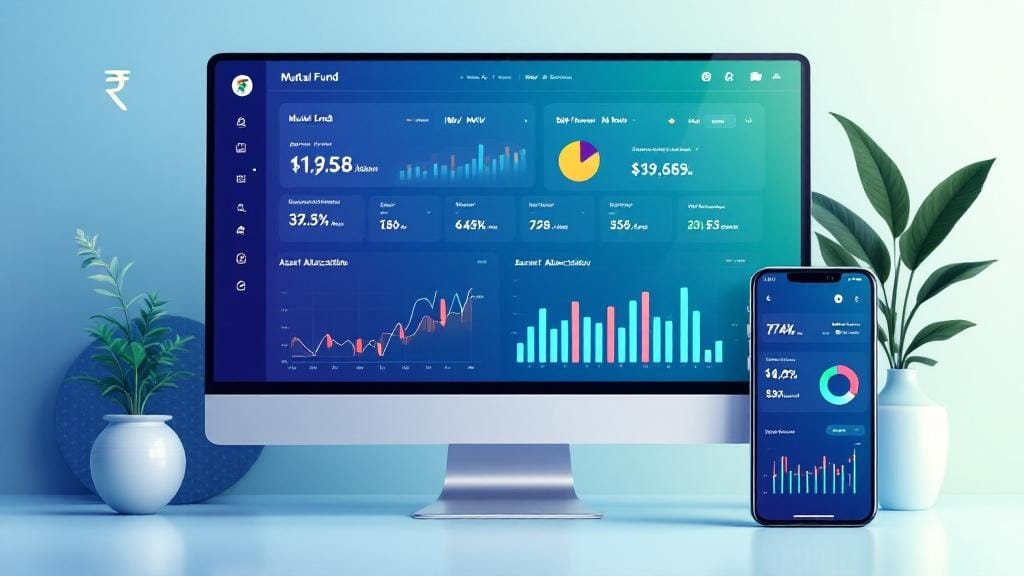
Introduction: Why a Mutual Fund Dashboard Matters Today
In today’s fast-paced investment world, having a mutual fund dashboard is no longer a luxury—it’s a necessity. Whether you’re a beginner building a SIP or a seasoned investor managing a diversified portfolio, a well-designed dashboard helps you track your investments, analyze fund performance, and make smart decisions—all in one place.
From real-time NAV updates to SIP performance insights, a mutual fund dashboard simplifies complex data into easy-to-understand visuals. In this guide, we’ll walk you through everything you need to know about building, using, and optimizing a Mutual fund tracker in India or globally.
What is a Mutual Fund Dashboard?
A Mutual fund tracker is a digital tool—often an app or online platform—that gives you a consolidated view of your mutual fund investments. Think of it as your personal investment control panel. It helps you:
- Track your mutual fund portfolio performance
- Monitor real-time NAV
- Analyze SIP trends and returns
- Understand asset allocation
- Get fund manager insights and AUM (Assets Under Management) details
Whether you use a personalized Mutual fund tracker, a DIY tracker, or the best Mutual fund tracker app, the core goal is the same: better decision-making.
Key Features of a Good Mutual Fund Dashboard
Let’s break down the essential features that every smart investor should look for:
1. Real-Time NAV and Price Tracking
Get updated Net Asset Value (NAV) data for all your mutual funds. The real-time Mutual fund tracker feature ensures you’re never making decisions based on outdated data.
2. SIP Performance Insights
Track how your monthly SIPs are performing. Know your returns, XIRR, and how they stack against market benchmarks.
3. Fund Performance Visualization
See graphs, pie charts, and historical performance data that make it easier to evaluate and compare schemes visually.
4. Asset Allocation Overview
Understand how your money is spread across equity, debt, hybrid, gold, and international funds.
5. Portfolio Rebalancing Feature
Smart dashboards alert you when your asset allocation drifts from your set goals, suggesting rebalancing to stay on track.
6. AUM & Fund Manager Insights
Get a peek into who’s managing your fund, what their track record is, and how much money the fund handles (AUM)—key factors for confidence and trust.
Benefits of Using a Mutual Fund Dashboard
Here’s why every investor—especially in India—should consider using a mutual fund investment dashboard:
- ✅ Clarity: No more digging through emails or paper statements.
- ✅ Control: Make informed decisions backed by data.
- ✅ Convenience: Access anywhere, anytime via online Mutual fund trackers or apps.
- ✅ Customization: Create a personalized Mutual fund tracker tailored to your goals.
- ✅ Diversification Tracking: Use built-in investment diversification tools to avoid putting all your eggs in one basket.
Top Mutual Fund Dashboard Apps in India
If you’re looking for the best Mutual fund tracker app, here are some top-rated options in India:
| App Name | Key Features | Best For |
|---|---|---|
| Groww | Real-time tracking, intuitive design, SIP analysis | Beginners and DIY investors |
| Kuvera | Goal-based tracking, family dashboard, XIRR | Family and long-term investors |
| ET Money | Fund analysis, expense ratio insights, rebalancing | Cost-conscious, data-focused users |
| INDmoney | Mutual funds + stocks + insurance in one dashboard | Comprehensive wealth tracking |
| Zerodha Coin | Direct mutual fund investment and tracking | Low-cost, DIY mutual fund users |
These apps provide a solid foundation for anyone looking to build a dashboard for mutual fund tracking.
How to Build Your Own DIY Mutual Fund Dashboard
Want a custom tool that gives you more control? You can create a DIY Mutual fund tracker using tools like Google Sheets or Excel.
Step-by-Step Setup:
- List all your mutual fund schemes
- Use Google Finance formulas (or third-party APIs) to fetch NAV data
- Create graphs to track SIPs, returns, and asset allocation
- Set alerts for underperformance or rebalancing needs
Ideal for data-savvy investors who want a personalized Mutual fund tracker experience without relying on third-party apps.
Real-Life Example: Anil’s Dashboard Story
Anil, a 34-year-old IT professional from Pune, started investing in mutual funds five years ago. Initially, he relied on PDFs from his AMCs and monthly statements.
After downloading a mutual fund portfolio tracker app, he now:
- Sees his SIP performance insights in real-time
- Gets fund performance visualizations that make comparison easier
- Uses portfolio rebalancing features every quarter
- Feels more in control of his financial goals
Anil says, “Using a Mutual fund tracker helped me save time, reduce overlap, and invest more confidently.”
What to Watch Out For
While dashboards are helpful, avoid these common mistakes:
- ❌ Ignoring expense ratios and only focusing on returns
- ❌ Not using the rebalancing feature
- ❌ Trusting dashboards that don’t use real-time data
- ❌ Overlooking AUM size and fund manager experience
Always validate insights with research, especially if using an online Mutual fund tracker that’s ad-supported or affiliated with fund houses.
Tips for Maximizing Your Mutual Fund Dashboard
- ✅ Review your dashboard weekly or monthly
- ✅ Use goal tracking: Match funds to goals like retirement or home buying
- ✅ Analyze diversification using fund category tags
- ✅ Export reports before meeting your financial planner
- ✅ Set custom alerts for NAV dips or fund changes
FAQs About Mutual Fund Dashboards
1. What is the best mutual fund dashboard for tracking NAV performance?
2. Can I get SIP performance insights from these dashboards?
3. How do I track my mutual fund returns analysis easily?
4. Are there dashboards that show asset allocation overview?
5. What should I look for in a mutual fund dashboard India-specific?
6. Can I create a personalized mutual fund dashboard on Excel?
7. Do mutual fund dashboards help with rebalancing?
Conclusion: Use Your Dashboard to Invest Smarter, Not Harder
A good Mutual fund tracker gives you clarity, saves time, and empowers you to make informed choices. From SIP tracking to NAV performance, and from rebalancing to goal-setting, these tools are your best friend in your investing journey.
Whether you go with the best Mutual fund tracker app or create a DIY version, the important thing is to start using one today. With insights, automation, and customization at your fingertips, your mutual fund investments will finally work as hard as you do.






Comments (0)