
Digital Wallet for Financial Inclusion: Real-World Impact
Jan 29, 2026
7 min read
56 views
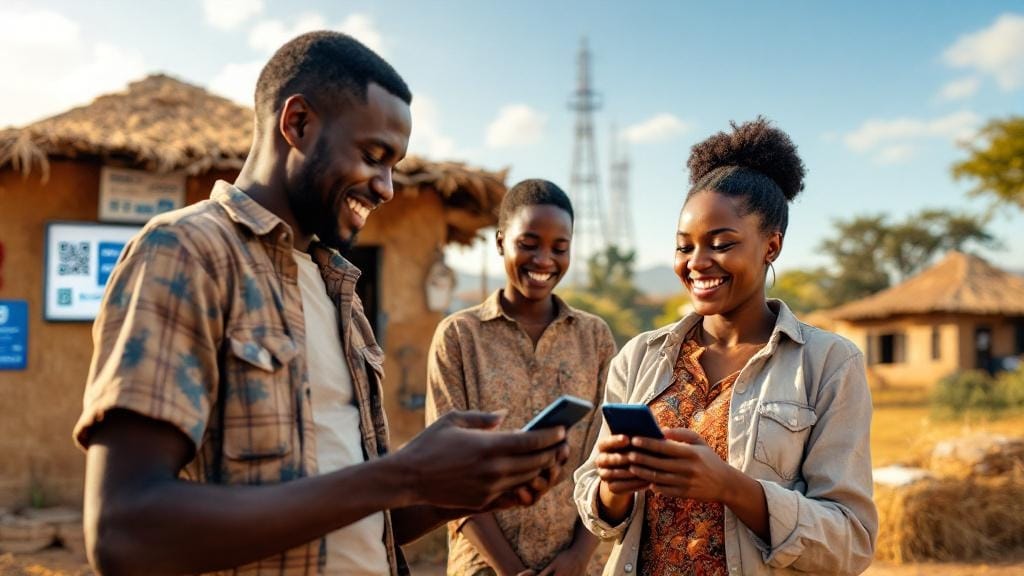
In today’s increasingly digital world, **financial inclusion** remains a global challenge. But thanks to financial technology, especially **digital wallets**, millions of unbanked and underbanked individuals now have a fighting chance at managing their money, making payments, and building financial stability.
This article explores how **digital wallet for financial inclusion** is changing lives across the globe—especially in developing nations—and why mobile-based finance is key to building an inclusive, cashless economy.
## 🌍 What Is Financial Inclusion and Why Does It Matter?
**Financial inclusion** means ensuring that everyone—regardless of income, location, or background—has access to affordable and useful financial products and services. These include savings accounts, credit, insurance, and payment systems.
Yet, **over 1.4 billion people worldwide remain unbanked**, according to the World Bank. Many live in rural areas, survive on informal jobs, or lack proper identification, making it hard for them to open a traditional bank account.
Without access to financial tools, these individuals are often stuck using risky cash transactions or informal lenders with high interest rates. That’s where **digital wallets** come in.
## 💡 What Is a Digital Wallet?
A **digital wallet** (or e-wallet) is a mobile-based application that allows users to:
-
Store money digitally
-
Make payments and transfers
-
Receive salaries or government benefits
-
Pay utility bills
-
Buy goods and services—online or offline
Unlike traditional banking, digital wallets don’t always require a bank account. All you need is a **mobile phone and some basic digital literacy**, which makes it a game-changer for underserved communities.
## 📱 Mobile Wallets for Financial Inclusion: Real-Life Impact
### 1. **Mobile Money Adoption in Africa**
Africa has been a leader in **mobile money adoption**, with services like **M-Pesa** revolutionizing access to finance. In Kenya, M-Pesa has helped lift over 2% of the population out of extreme poverty by allowing people to save securely and access credit.
### 2. **Digital Wallets in India’s Rural Areas**
In India, digital wallets such as **PhonePe, Paytm, and Google Pay** are bridging gaps in **mobile banking for rural populations**. Government-backed schemes like **Jan Dhan Yojana** integrate millions of low-income citizens into formal finance, often linking digital wallets to Aadhaar and UPI systems.
### 3. **E-Wallets in Southeast Asia**
In countries like the Philippines and Indonesia, **inclusive digital payment platforms** like **GCash and DANA** are helping **low-income digital finance access** by offering no-fee transfers and partnerships with local merchants.
These stories demonstrate how **digital payment solutions for the unbanked** are transforming financial empowerment.
## 🔑 Why Digital Wallets Work for Underserved Communities
### ✅ Low Barrier to Entry
-
No need for a bank branch
-
No minimum balance requirements
-
Works on basic smartphones
### ✅ Available 24/7
Digital wallets operate round the clock, allowing users to send or receive money anytime—even outside banking hours or during emergencies.
### ✅ Lower Transaction Costs
Unlike traditional banks, many digital wallets charge minimal or zero fees, making them ideal for **micro-transactions**.
### ✅ Language and Local Adaptation
Most digital wallets are available in local languages, ensuring higher **digital literacy and financial access**.
## 🤝 Fintech for Financial Inclusion: What Makes It Work?
**Fintech**—short for financial technology—drives innovation in this space. These are the key factors fueling success:
### 1. **Digital Infrastructure for Inclusion**
Reliable internet and mobile coverage are essential for digital finance to reach rural areas. Partnerships between telecom companies and fintech providers are improving connectivity even in remote regions.
### 2. **Regulatory Support for Digital Wallets**
Progressive governments play a vital role. For example, the Reserve Bank of India (RBI) introduced payment bank licenses that allow digital wallets to operate legally without becoming full-fledged banks.
### 3. **Microfinance Integration with Digital Wallets**
Microfinance institutions are increasingly using e-wallets to distribute small loans and collect repayments digitally. This is faster, safer, and more transparent than cash-based systems.
### 4. **Public-Private Collaborations**
Global efforts by **NGOs, governments, and private fintech startups** are making **inclusive banking services** more accessible. For instance, the **Better Than Cash Alliance** promotes digital payments in place of physical cash.
## 💰 Financial Empowerment Through Mobile Apps
One of the biggest advantages of **digital wallets for financial inclusion** is **empowerment**. Here’s how:
-
**Women can manage their own money** securely without relying on male family members.
-
**Farmers can receive government subsidies** directly to their mobile wallet.
-
**Small vendors can accept digital payments**, boosting their business and building credit history.
-
**Youth and gig workers** can save automatically, even in small amounts, promoting long-term financial health.
These examples prove that **financial technology innovation** isn't just about convenience—it’s about **changing lives**.
## 🚧 Challenges to Inclusive Digital Finance
Despite their success, digital wallets face some hurdles in promoting full inclusion:
### ⚠️ Limited Digital Literacy
Many low-income users may struggle with using mobile apps. Education campaigns and **user-friendly interfaces** are critical.
### ⚠️ Device & Internet Access
Smartphone penetration is growing, but not universal. Subsidized phones or offline wallet features can help bridge this gap.
### ⚠️ Data Security & Trust
Trust in digital systems is still fragile in many regions. Strong regulations and transparent policies build **trustworthiness** and long-term adoption.
## 🌟 The Road Ahead: Building a Cashless Economy with Inclusion in Mind
The transition to a **cashless economy and financial inclusion** is not just about technology—it’s about creating ecosystems that serve everyone.
To succeed, we need:
-
**Public awareness campaigns** to boost digital literacy
-
**Tailored financial products** for different user groups
-
**Cross-sector collaboration** between fintech, telecom, and governments
-
**Policy frameworks** that protect users while enabling innovation
By taking a **people-first approach**, digital wallets can evolve from simple tools to **lifelines**—especially in underserved regions.
## 📚 FAQs: Digital Wallets and Financial Inclusion
### 1. **How do digital wallets promote financial inclusion?**
Digital wallets reduce barriers by allowing people to store and transfer money without a traditional bank account. This opens access to basic financial services for the unbanked and underbanked populations.
### 2. **Can digital wallets be used without internet access?**
Some wallets offer **USSD-based** or **offline payment features** for areas with poor connectivity. However, most require at least basic mobile internet access.
### 3. **What are the benefits of mobile banking for rural populations?**
Rural users can receive government benefits, send money to family, and even save or borrow—all without needing to travel long distances to a bank branch.
### 4. **Is digital literacy important for using mobile wallets?**
Yes. Even basic knowledge of using a smartphone or understanding app icons is essential. Many organizations now provide **training and awareness** programs for first-time users.
### 5. **Are there risks with using digital wallets?**
Risks include **fraud, phishing, or loss of access** due to forgotten credentials. Using **secure apps**, enabling **PIN or biometric locks**, and following **cyber safety tips** can reduce these risks.
### 6. **How can fintech companies help improve financial inclusion?**
By building **user-centric, secure, and affordable** digital financial services tailored to underserved groups—often in partnership with local communities and governments.
### 7. **What role do governments play in digital banking inclusion?**
Governments support inclusion by enabling **regulatory frameworks**, investing in **digital infrastructure**, offering **ID-based services**, and incentivizing **digital payments** in public schemes.
## 🧾 Final Thoughts: Digital Wallet for Financial Inclusion Is Not a Trend—It's a Transformation
The **digital wallet for financial inclusion** is more than a fintech buzzword—it’s a **life-changing tool** for millions. It unlocks access, dignity, and opportunity for those left behind by traditional financial systems.
With the right mix of **innovation, education, and policy**, the world can build a more **equitable and financially empowered future**—one mobile transaction at a time.