
Digital Wallet for Public Transport: Tap & Go Solutions
Feb 13, 2026
6 min read
54 views
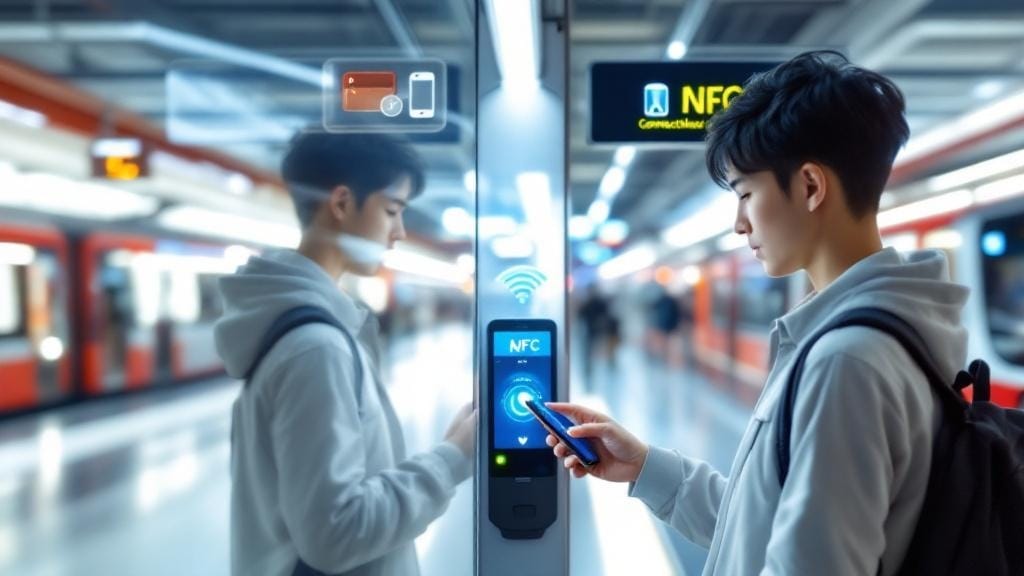
In a world moving rapidly towards digital convenience, the daily commute is getting a serious tech upgrade. If you’ve ever fumbled for change while boarding a bus or waited in long lines for metro tokens, you’ll love what’s coming: the **digital wallet for public transport** revolution.
From **contactless payments on buses** to **mobile wallet-based metro fares**, public transit is transforming into a seamless, tap-and-go experience powered by technology. But how exactly do these systems work, and how can they make your commute easier, cheaper, and more efficient?
Let’s dive into everything you need to know about **digital wallets for public transportation**, with real-world examples and simple explanations.
## **What Is a Digital Wallet for Public Transport?**
A **digital wallet for public transport** is a mobile-based payment tool that lets commuters pay for bus, metro, train, or tram rides using smartphones, smartwatches, or transit card apps. It replaces the need for physical tickets or cash by offering **contactless**, **secure**, and **instant payments**.
Think of it as a **tap-and-go travel card**—only it lives on your phone.
### Key Features:
-
**Contactless payments** using NFC (Near Field Communication)
-
Integration with public transit systems
-
Supports real-time fare deduction
-
Works with phones, wearables, or smart cards
-
Often linked with urban mobility and smart city tech
## **Why Are Digital Wallets the Future of Public Transit?**
Here’s why cities and commuters are shifting to **smart ticketing wallets**:
### 🚍 1. **Speed and Convenience**
With a quick **tap and pay**, you no longer need to:
-
Queue at ticket counters
-
Carry change or physical tokens
-
Worry about missing the last bus while buying a ticket
### 🛡️ 2. **Security**
Digital wallets use encrypted technology like **NFC payment for public transit**. It means:
-
Transactions are secure and private
-
No risk of lost or stolen cash
-
Seamless refund and tracking
### 🌍 3. **Supports Smart City Goals**
Integrating with **smart mobility tech** helps:
-
Reduce paper usage (eco-friendly)
-
Enable data-driven planning of routes and schedules
-
Improve **urban mobility** through better insights
## **How It Works: Step-by-Step**
Using a **mobile fare payment system** is incredibly simple:
-
**Download a public transportation wallet app** like Google Wallet, Apple Pay, or a city-specific transit app
-
**Add your travel card or bank card**
-
Enable **NFC or Bluetooth** if required
-
Tap your phone or smartwatch at the entry gate or bus reader
-
Fare is deducted instantly from your digital wallet
### Real-Life Example:
In cities like **London**, riders use their phones with **Oyster Card** integration in Apple Wallet. In **Singapore**, the **EZ-Link app** lets you manage rides, top-up cards, and view your travel history—all in one place.
## **Popular Transit Systems Using Digital Wallets**
Here are some cities that are already benefiting from **mobile contactless technology**:
City
System
Wallet Options
London
TfL (Transport for London)
Apple Pay, Google Pay, Contactless Cards
New York
OMNY
Mobile wallets, bank cards
Singapore
SimplyGo (EZ-Link)
EZ-Link app, PayLah, PayNow
Delhi
DMRC
Delhi Metro Card App, Paytm, PhonePe
Sydney
Opal
Digital Opal via Google/Apple Pay
## **Benefits for Public Transport Operators**
For transport authorities, **digital fare collection** offers more than just tech appeal:
-
**Lower operational costs** (fewer ticket machines, less cash handling)
-
**Improved data collection** on rider behavior
-
**Faster boarding**, increasing fleet efficiency
-
**Fraud prevention** with encrypted systems
## **Challenges and Considerations**
While adoption is growing, there are a few challenges:
### ❌ Device Dependency
No phone or battery = no ride. Backup systems are still necessary.
### ❌ Digital Divide
Not all commuters own smartphones. Inclusive options (like smart cards) must coexist.
### ❌ Infrastructure Investment
Transport authorities must upgrade hardware and software systems—an expensive but worthwhile endeavor.
## **Smart City Integration: Transportation & Technology**
Cities adopting **digital wallets for public transport** often combine them with broader **smart city infrastructure** initiatives like:
-
**Real-time fare systems**
-
**Dynamic bus route tracking**
-
**Interconnected apps** for buses, bikes, and metro
-
**Mobility-as-a-Service (MaaS)** platforms
This aligns with long-term visions of **transport fintech** and **urban mobility innovation**.
## **Use Cases: Who Benefits the Most?**
### 👩💼 Daily Commuters
Save time and reduce stress with one tap.
### 👨👩👧👦 Families & Tourists
Manage multiple rides from a single wallet, avoiding language or currency barriers.
### 🧑🎓 Students
Many transit apps offer student passes or fare discounts directly in the app.
## **How to Choose the Best Transit Card App**
When selecting a **transit card app**, look for:
-
**Support for your city’s transport system**
-
Integration with **bank cards or UPI**
-
Features like auto top-up, fare capping, or travel history
-
Reviews and app performance
-
Compatibility with your phone and wearable devices
## **Future of Digital Payments in Public Transit**
The next wave in **transportation digitization** includes:
-
**Face recognition entry** at gates
-
**AI-powered route optimization**
-
**Subscription-based digital passes**
-
**QR code-based e-ticketing systems**
With these advancements, **smart mobility tech** is becoming central to our everyday lives.
## ✅ Conclusion: Why It’s Time to Go Tap & Go
The **digital wallet for public transport** isn’t just a tech trend—it’s a game-changer for the way we move. It combines the power of **convenience**, **security**, and **efficiency**, helping commuters and cities alike transition toward **smarter, faster, and greener** transportation systems.
If your city offers **mobile payment for buses, metros, or trains**, it’s time to ditch the paper and embrace the tap.
## 🔍 FAQs
### **1. What is a digital wallet for public transportation?**
A digital wallet for public transportation is a mobile app or feature that lets you pay for rides using your phone or smartwatch instead of cash or paper tickets.
### **2. Can I use my mobile wallet for bus fare?**
Yes! Many cities now support **mobile wallet for bus fare** via apps like Google Pay or contactless travel cards stored on your phone.
### **3. What is a transit card app, and how does it work?**
A transit card app is a mobile app that allows you to top up, view fares, and use digital passes for buses, metros, or trains. You simply tap your phone at the gate to ride.
### **4. How secure is contactless payment for transport?**
Very secure. **NFC payment for public transit** uses encryption and tokenization, which protects your card details and transaction history.
### **5. Which cities support mobile fare payment systems?**
Cities like London, New York, Singapore, Sydney, and Delhi support **mobile fare payment systems** using apps, wallets, or bank cards.
### **6. What is smart ticketing, and is it different from e-ticketing?**
**Smart ticketing** often involves NFC or QR-based tap systems, while **e-ticketing** typically refers to booking tickets via mobile and showing them to staff. Both aim to make transit more digital and contactless.
### **7. Are there apps that work across multiple cities or modes of transport?**
Yes, some apps support **public transit solutions** across multiple cities or integrate ride-hailing, bike-sharing, and train tickets in one place.
## 📌 Final Tip:
Ready to upgrade your commute? Start by downloading a **public transportation wallet app**, link your card, and try **tap and pay travel** on your next ride. It’s the simplest way to step into the future of transit.