
When you get behind the wheel, one thing you shouldn’t overlook is your car insurance coverage. Whether you’re a seasoned driver or just getting your first car, having the right car insurance coverage is essential for both your peace of mind and financial security.
In this article, we’ll take a deep dive into the different types of car insurance coverage, why it’s important, and how you can choose the best plan for your needs. We’ll also explore common questions like “What’s the difference between full coverage vs liability?” or “How do car insurance rates affect my decision?”
So, if you’re confused about the specifics of your car insurance policy or simply looking to refresh your knowledge, keep reading. By the end of this article, you’ll have a clear understanding of what car insurance coverage is, the different options available, and how to make the best choices.
What Is Car Insurance Coverage?
At its core, car insurance coverage is a policy designed to protect you from financial losses due to accidents, theft, or damages involving your vehicle. The types and levels of coverage vary depending on your provider, but they generally fall into a few key categories:
-
Liability coverage: Pays for damages to others when you’re at fault in an accident.
-
Collision coverage: Helps pay for repairs to your vehicle if you’re in an accident, regardless of fault.
-
Comprehensive coverage: Covers damage to your car caused by non-collision events like theft, vandalism, or natural disasters.
-
Personal Injury Protection (PIP): Covers medical expenses for you and your passengers, no matter who’s at fault.
Let’s explore each type in more detail and how they work together to keep you protected.
Types of Car Insurance Coverage Explained
1. Liability Car Insurance
Liability car insurance is required by law in most states. It covers damages you cause to other people’s property or injuries in the event of an accident where you’re at fault. It typically includes two parts:
-
Bodily Injury Liability: Pays for medical expenses, lost wages, and legal fees if you injure someone in an accident.
-
Property Damage Liability: Pays for repairs to other people’s vehicles or property that you damage during an accident.
For example, if you’re driving and accidentally rear-end another car, liability insurance would cover the costs of repairing their car and any medical bills they may incur. However, it doesn’t cover your own vehicle’s repairs or your medical expenses.
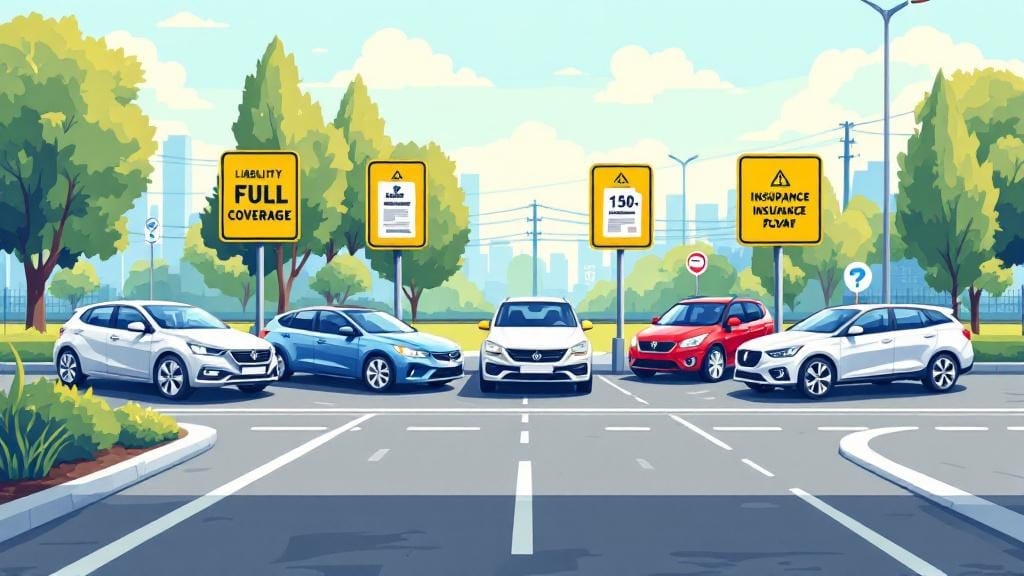
2. Full Coverage Car Insurance
When people talk about “full coverage,” they’re typically referring to a combination of comprehensive and collision coverage. While it’s not legally required in all states, full coverage is an excellent option for those who want more extensive protection.
-
Comprehensive Car Insurance: This covers damage to your car caused by events other than a collision, such as vandalism, theft, or natural disasters.
-
Collision Insurance Coverage: This helps cover the cost of repairs or replacement if your car is damaged in a collision, regardless of fault.
In essence, full coverage car insurance provides more comprehensive protection for both you and your vehicle.
3. Minimum Car Insurance Coverage
Most states have a minimum car insurance coverage requirement. This generally includes liability insurance but may not cover damage to your own vehicle or medical expenses. While it’s cheaper than full coverage, it might not provide the protection you need if you’re involved in an accident.
For example, if you’re involved in an accident where you’re not at fault but your car sustains serious damage, minimum car insurance coverage may leave you with out-of-pocket costs for repairs.
4. Comprehensive Car Insurance
Comprehensive insurance coverage protects you from losses that are not the result of a car accident. This can include damage from weather events, theft, vandalism, and even hitting an animal.
For instance, if a tree falls on your car during a storm, comprehensive coverage would help cover the repair costs. If you live in an area prone to hail or natural disasters, comprehensive insurance may be particularly beneficial.
5. Collision Insurance Coverage
Collision insurance is essential if you want to protect your vehicle in the event of a crash, even if you’re at fault. It covers the cost of repairing or replacing your car after a collision, regardless of who’s to blame. If you drive an older car that isn’t worth much, this type of coverage might not be necessary.
However, if you have a newer or more expensive car, collision coverage is often a must to avoid costly repairs.
Factors That Affect Car Insurance Rates
Your car insurance rates will vary based on a range of factors. Here’s a look at some key elements that determine your premium:
1. Driving History
If you have a history of accidents, speeding tickets, or claims, you’re likely to pay higher rates. Insurers view drivers with a clean record as less risky.
2. Age and Experience
Teen drivers or drivers with little experience tend to pay higher premiums. On the other hand, experienced drivers with a history of safe driving often receive lower rates.
3. Vehicle Type
The make and model of your vehicle can also impact your rates. High-performance vehicles, luxury cars, or cars with high repair costs generally come with higher premiums.
4. Location
Where you live affects your insurance rates. For example, if you live in an area with a high rate of car theft or accidents, your premiums may be higher.
5. Coverage Level
Choosing a minimum car insurance coverage will generally result in a lower premium, but you may want more coverage for extra protection. Opting for full coverage car insurance will increase your premium but offer more extensive protection.
6. Car Insurance Discounts
Many insurance providers offer discounts. These can range from bundling policies (auto and home insurance together) to discounts for being a safe driver or having anti-theft devices installed in your car.
How to Compare Car Insurance Coverage
Choosing the right auto insurance coverage can be overwhelming, but doing a little research can help you make the best decision for your needs. Here’s how to make an auto insurance comparison:
1. Use Online Tools
Online comparison tools let you compare different insurers and policies based on coverage, premiums, and customer reviews.
2. Look at Customer Service
Cheaper is not always better. Make sure the insurance company provides quality customer service, especially when it comes to claims handling.
3. Understand Your Needs
If you drive a lot or have a family, you might need more comprehensive coverage. However, if your car is older and you don’t drive often, minimum coverage might be sufficient.
FAQs About Car Insurance Coverage
1. What is the difference between full coverage and liability car insurance?
-
Full coverage includes both comprehensive and collision coverage, protecting your vehicle in most situations. Liability insurance, on the other hand, only covers damages to others when you’re at fault.
2. Do I need comprehensive and collision insurance?
-
If you own a newer or expensive vehicle, comprehensive and collision coverage offer added protection. If your car is older and has little resale value, you might not need them.
3. What is personal injury protection insurance (PIP)?
-
Personal Injury Protection helps cover medical bills for you and your passengers, regardless of who is at fault in an accident.
4. What does uninsured motorist coverage cover?
-
Uninsured motorist coverage pays for your expenses if you’re in an accident caused by a driver who doesn’t have insurance or lacks sufficient coverage.
5. How can I get cheap car insurance coverage?
-
To save on premiums, compare different providers, look for car insurance discounts, and choose minimum car insurance coverage if you drive an older vehicle or don’t need full protection.
6. How can I reduce my car insurance rates as a teen driver?
-
Teen car insurance coverage can be expensive, but you can save by taking a driving course, maintaining a good grade average, or being added to your parents’ policy.





Comments (0)