
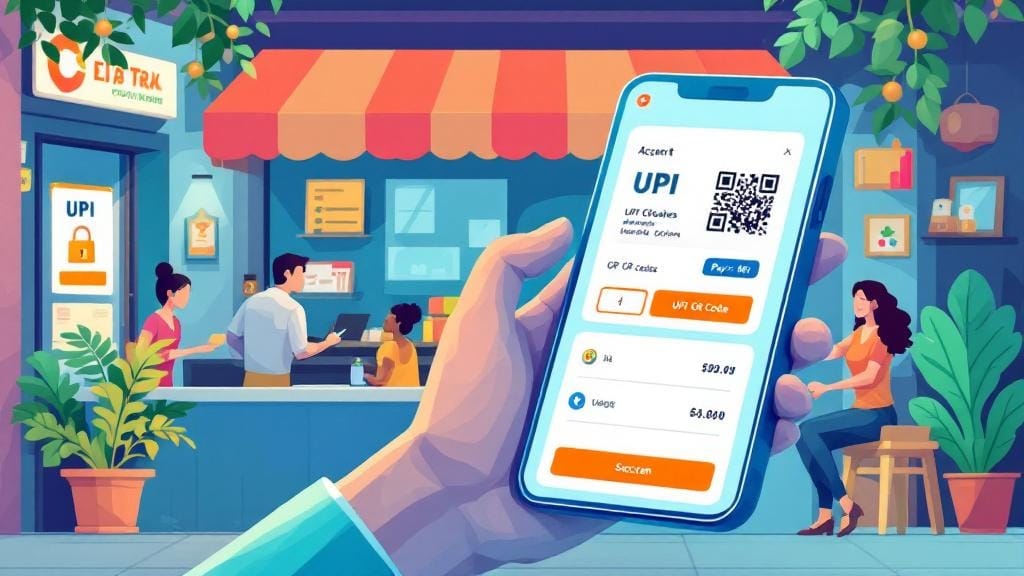
In recent years, UPI (Unified Payments Interface) has revolutionized the way we conduct transactions in India. It’s a fast, secure, and convenient payment method that has found its way into businesses of all sizes. But if you’re a business owner and you’re wondering how to set up UPI for your business or what benefits it can offer, you’re in the right place.
In this guide, we’ll take a deep dive into how UPI can transform your business payments, what steps are involved in setting up a UPI system, and how it compares with other payment methods. Whether you’re a small business owner or running a larger enterprise, UPI offers solutions that will streamline your financial operations and help you serve your customers better.
What is UPI for Business?
Unified Payments Interface (UPI) is a real-time, interbank payment system developed by the National Payments Corporation of India (NPCI). UPI allows users to send or receive money, pay for goods and services, and even make bill payments with a single mobile application. For businesses, UPI offers a unique way to accept payments directly from customers’ bank accounts, making it a convenient, secure, and low-cost payment method.
By adopting UPI for business transactions, merchants can simplify the process of receiving payments, reduce the need for cash handling, and provide a seamless experience for customers.
How to Set Up UPI for Business Transactions
Setting up UPI for your business might sound complicated, but the process is actually quite straightforward. Here’s a step-by-step guide to help you set up UPI for your business transactions.
1. Choose a UPI Payment Gateway
The first step in setting up UPI for business transactions is selecting a UPI payment gateway provider. Several payment service providers (PSPs) offer UPI payment solutions for businesses. Some of the popular ones include:
-
PhonePe for Business
-
Google Pay for Business
-
Paytm for Business
-
Razorpay UPI Solutions
-
ICICI UPI Merchant Services
These payment gateways help businesses integrate UPI payments into their websites or mobile apps.
2. Create a Business Account on the UPI App
Once you’ve chosen a payment gateway, the next step is to create a business account. For example, with Google Pay for Business or Paytm for Business, you’ll need to:
-
Download the UPI merchant app.
-
Register your business details, including the name of your business, business type (sole proprietorship, partnership, etc.), GST number, and bank account details.
-
Link your business bank account to the UPI app.
3. Generate Your UPI ID
After your account is set up, you’ll be required to generate a unique UPI ID for your business. This UPI ID works like an email address, but for payments. For example, it could be something like businessname@upi. You’ll use this ID to accept payments directly from customers.
4. Integrate the UPI Payment Gateway with Your Website or App
If you’re running an e-commerce website or a mobile app, you can integrate the UPI payment system to accept payments online. Most UPI gateways provide easy-to-follow integration instructions or offer plugins that simplify the process.
5. Share Your UPI QR Code or ID with Customers
For physical stores, you can share your UPI ID or QR code with customers. Simply display the code at your point of sale (POS) system or include it on your invoices, so customers can scan and make instant payments.
6. Start Accepting UPI Payments
Once everything is set up, you can start receiving payments via UPI for your products or services. Whether it’s through a direct transfer to your UPI ID or via a QR code scan, your business can accept payments instantly.
Benefits of UPI for Business
Adopting UPI for business payments comes with several advantages. Here’s a breakdown of the key benefits:
1. Instant Payments
UPI payments are processed in real-time, meaning there are no delays or waiting periods. Once the transaction is initiated by the customer, it is confirmed within seconds. This is especially useful for businesses that require quick cash flow.
2. Low Transaction Fees
UPI offers one of the lowest transaction fees among various payment methods, such as credit/debit card payments or wallet payments. For businesses, this means reduced processing costs and more savings.
3. Increased Customer Convenience
UPI allows customers to make payments directly from their bank accounts without needing to carry cash or cards. For customers who are used to digital transactions, offering UPI as a payment option adds a level of convenience that can help improve your customer experience and increase sales.
4. Enhanced Security
UPI transactions are highly secure, with two-factor authentication (2FA) for both the customer and the business. It ensures that the payment process is secure and reduces the chances of fraud or unauthorized transactions.
5. Access to Multiple Payment Methods
UPI is linked to multiple banks and financial institutions, meaning customers can use any bank’s app to make a payment. This makes it highly inclusive and accessible for a large audience. You don’t need to rely on a single payment provider, which increases the chances of a customer completing a transaction.
6. Easy Tracking of Transactions
Every UPI transaction is recorded in real-time, making it easy for businesses to keep track of payments. With most UPI platforms, businesses can access detailed reports of transactions, view the status of payments, and keep a clear record of all incoming payments.
7. Supports Cross-Border Transactions
Although UPI was initially designed for domestic payments, it is slowly being extended to cross-border transactions, especially for Indian businesses that engage with international clients. This feature opens up global business opportunities.
How to Accept UPI Payments Without QR Code
While a QR code is the most common way of accepting UPI payments, businesses can also receive payments without one. If you’re running an online store or a digital business, customers can pay you by:
-
Using Your UPI ID: Simply share your unique UPI ID with the customer. They can then make a transfer using their own UPI-enabled app.
-
Using Payment Links: Some UPI gateways allow you to send payment links via SMS, email, or messaging apps. Customers can click the link and pay directly from their bank account.
Is UPI Safe for Business Payments?
Yes, UPI is considered one of the safest payment methods available today. UPI transactions are protected with robust security measures, including encryption and two-factor authentication. Additionally, UPI follows strict guidelines set by the Reserve Bank of India (RBI), ensuring that every transaction is secure and legitimate.
Tips for Keeping UPI Payments Secure:
-
Always verify the UPI ID before processing a payment.
-
Use UPI payment gateways that comply with security standards.
-
Educate your employees on identifying phishing scams and fraudulent payment requests.
Best UPI Apps for Small Businesses in India
If you’re running a small business, there are several UPI-enabled apps that can make the payment process even easier:
-
PhonePe for Business: Great for small businesses with a low transaction volume. It offers free UPI payments with no transaction fees.
-
Google Pay for Business: Offers a simple setup for small and medium-sized businesses and is highly user-friendly.
-
Paytm for Business: Ideal for businesses that need both UPI and other payment options like wallets and cards.
-
Razorpay: Provides businesses with advanced UPI payment options, including invoicing and recurring payments.
FAQs about UPI for Business
1. How to Set Up UPI for Business Transactions?
To set up UPI for business, choose a UPI payment gateway provider, register your business account, and generate your UPI ID. Integrate the payment system into your website or app and start accepting payments.
2. What Are the Advantages of Using UPI for Business in India?
UPI provides instant payments, low transaction fees, enhanced security, and easy tracking of payments. It also offers multiple ways to accept payments, making it accessible to a wide customer base.
3. Can I Link My Business Account to UPI?
Yes, you can link your business bank account to UPI by registering with a UPI payment gateway provider and providing your account details during the setup process.
4. How to Accept UPI Payments Without QR Code?
You can accept UPI payments by sharing your UPI ID with customers or sending them a payment link. No QR code is needed in these cases.
5. Is UPI Safe for Business Payments?
Yes, UPI is highly secure and follows RBI guidelines. With features like two-factor authentication, UPI ensures secure transactions for both businesses and customers.
6. How to Set Up UPI for Business in a Step-by-Step Guide?
Start by choosing a UPI payment gateway, register your business, generate a UPI ID, and integrate UPI into your website or app. For physical stores, share your UPI ID or QR code for easy payments.
7. Best UPI Apps for Small Businesses in India?
Some of the best UPI apps for small businesses include PhonePe for Business, Google Pay for Business, Paytm for Business, and Razorpay. These apps offer easy integration, low transaction fees, and seamless payment acceptance.






Comments (0)