
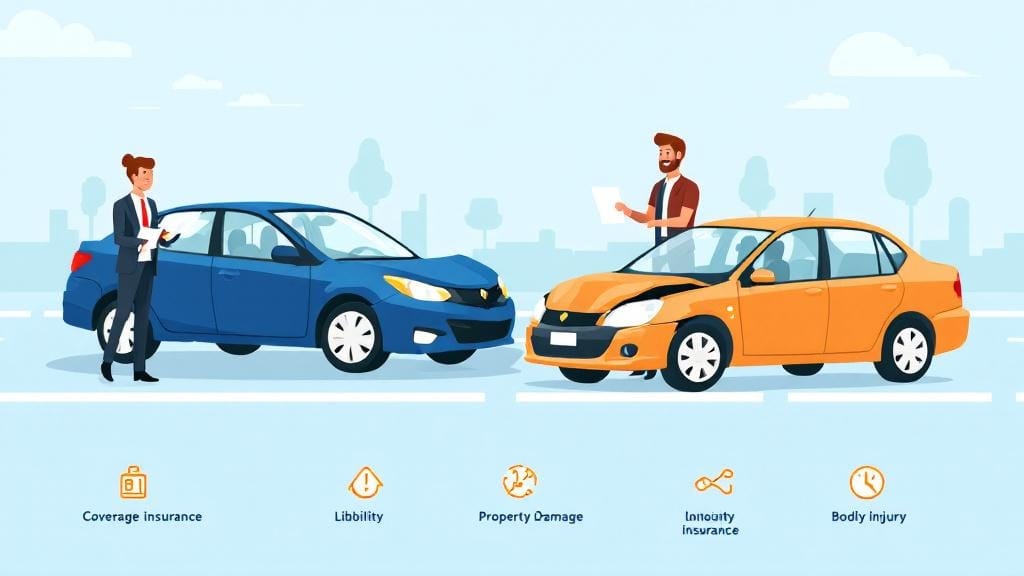
When it comes to car insurance, understanding the various types of coverage can be a bit overwhelming. One of the most important types of car insurance coverage to be aware of is liability car insurance. But what exactly is it, and why is it crucial for every driver? In this guide, we’ll dive into the details of liability car insurance, explore its importance, and help you determine whether it’s the right choice for you.
Whether you’re a new driver or an experienced one looking to switch policies, understanding liability insurance can help you make better decisions. We’ll also cover key terms, cost factors, and why having proper coverage is vital to your financial well-being.
What is Liability Car Insurance?
In simple terms, liability car insurance is a type of auto insurance that helps cover the cost of damage or injury caused to other people and their property in an accident where you’re at fault. It typically covers two main aspects:
-
Bodily Injury Liability – This part of your policy covers medical expenses for others if you’re responsible for an accident that causes injury or death.
-
Property Damage Liability – This part covers the cost of damage to someone else’s property, such as their car, fences, or buildings, when you’re at fault in an accident.
Liability insurance doesn’t cover damage to your own vehicle or medical expenses for injuries you sustain in an accident. To protect yourself against those costs, additional coverage like collision insurance or personal injury protection (PIP) is recommended.
Why is Liability Car Insurance Important?
Having liability car insurance is essential for several reasons. Here are the key benefits that highlight its importance:
-
It’s Legally Required in Most States
Most states require drivers to carry a minimum amount of liability insurance to legally operate a vehicle. If you’re caught driving without it, you could face hefty fines, your license could be suspended, and your vehicle could be impounded. State liability insurance laws vary, so be sure to check the specific requirements in your area. -
Protects You from Financial Liability
If you’re involved in an accident and it’s determined that you’re at fault, the financial costs can quickly add up. Liability car insurance ensures that you’re not personally responsible for paying out-of-pocket for expensive medical bills or property damage claims. -
Peace of Mind
No one expects to get into a car accident, but they do happen. Having liability coverage ensures that you’re protected from the unexpected, giving you peace of mind while on the road. -
Affordable Coverage
Cheap liability car insurance can provide you with basic protection at a relatively low cost. This makes it an excellent option for drivers on a budget, especially if you own an older vehicle with lower market value.
Types of Liability Coverage in Auto Insurance
Understanding the two primary components of liability car insurance is key to knowing what you’re covered for in case of an accident. Here’s a deeper dive into both:
1. Bodily Injury Liability
Bodily injury liability helps cover medical costs for people involved in an accident you caused. This includes hospital bills, doctor’s fees, and even lost wages if the person injured is unable to work. It can also cover legal fees if someone decides to file a lawsuit against you for damages.
For example, if you accidentally hit another driver and they suffer a broken leg, bodily injury liability will pay for their medical treatment, rehabilitation, and any resulting lost wages.
2. Property Damage Liability
Property damage liability helps pay for repairs or replacement of someone else’s property that you damage in an accident. This could be the other driver’s vehicle, a building you crash into, or any other object damaged during the accident.
For instance, if you run a stop sign and crash into another car, causing significant damage, property damage liability insurance will cover the cost to repair the other vehicle. It also protects you from the risk of a lawsuit due to property damage claims.
Understanding Minimum Car Insurance Requirements
Most states have set minimum car insurance requirements for liability coverage. This means that drivers must carry a specific amount of coverage to legally drive. These minimum requirements can differ significantly from state to state.
In general, you’ll see the minimum requirements listed as:
-
Bodily Injury Liability (per person)
-
Bodily Injury Liability (per accident)
-
Property Damage Liability
For example, a state might require drivers to have coverage of $25,000 for bodily injury per person, $50,000 per accident, and $15,000 for property damage.
Does Liability Insurance Cover My Own Injuries?
No, liability insurance does not cover your own injuries or damage to your own car. That’s where other forms of auto insurance, such as collision insurance or personal injury protection (PIP), come into play. If you’re looking to protect yourself and your vehicle, consider adding these coverages to your policy.
The Cost of Liability Car Insurance
Car liability insurance cost can vary based on multiple factors, such as:
-
Your driving record – A clean driving history typically results in lower premiums.
-
Your location – Insurance rates can be higher in areas with higher accident rates.
-
Your vehicle type – The make and model of your car can affect premiums.
-
Coverage limits – The higher your coverage limits, the more expensive your premiums will be.
While affordable liability auto insurance is widely available, it’s essential to shop around for the best quotes. Car insurance quotes from different providers can help you compare pricing and coverage to find the most cost-effective option.
How to Save on Liability Car Insurance
If you’re looking to save on your liability coverage, consider the following tips:
-
Bundle Policies – Many insurance providers offer discounts if you bundle your car insurance with other policies, such as homeowners or renters insurance.
-
Increase Your Deductible – Raising your auto insurance deductible can lower your monthly premiums.
-
Maintain a Good Driving Record – Safe driving can help you avoid accidents and keep your insurance premiums low.
-
Take a Defensive Driving Course – Some insurers offer discounts if you’ve completed an accredited defensive driving course.
Frequently Asked Questions (FAQs)
1. What’s the difference between liability insurance and full coverage?
Liability insurance covers damage to others when you’re at fault, but it does not cover your own injuries or vehicle damage. Full coverage includes both liability insurance and additional coverage, like collision and comprehensive insurance, to protect your own vehicle and medical expenses.
2. Can I drive without liability car insurance?
No, it’s illegal in most states to drive without liability car insurance. Failing to carry the required coverage can lead to fines, suspension of your license, and other legal penalties.
3. How much liability coverage do I need?
The minimum required coverage depends on your state’s laws. However, it’s often recommended to have higher limits than the state minimum to protect yourself financially in case of a serious accident.
4. What happens if I don’t have enough liability insurance?
If your liability insurance doesn’t cover all the costs of an accident, you could be personally responsible for paying the difference. This could lead to significant financial hardship.
5. Does liability insurance cover medical bills for the driver at fault?
No, liability insurance does not cover your own medical expenses. You would need personal injury protection (PIP) or health insurance for that.
6. Can liability car insurance help me if the other driver doesn’t have insurance?
No, liability insurance only covers damage to others when you’re at fault. If the other driver is uninsured or underinsured, you may need additional coverage like uninsured motorist protection.
7. Is it possible to get cheap liability car insurance with good coverage?
Yes! Shopping around, maintaining a clean driving record, and considering higher deductibles can help you find cheap liability car insurance that still provides good coverage.





Comments (0)