
Standard Chartered Bank
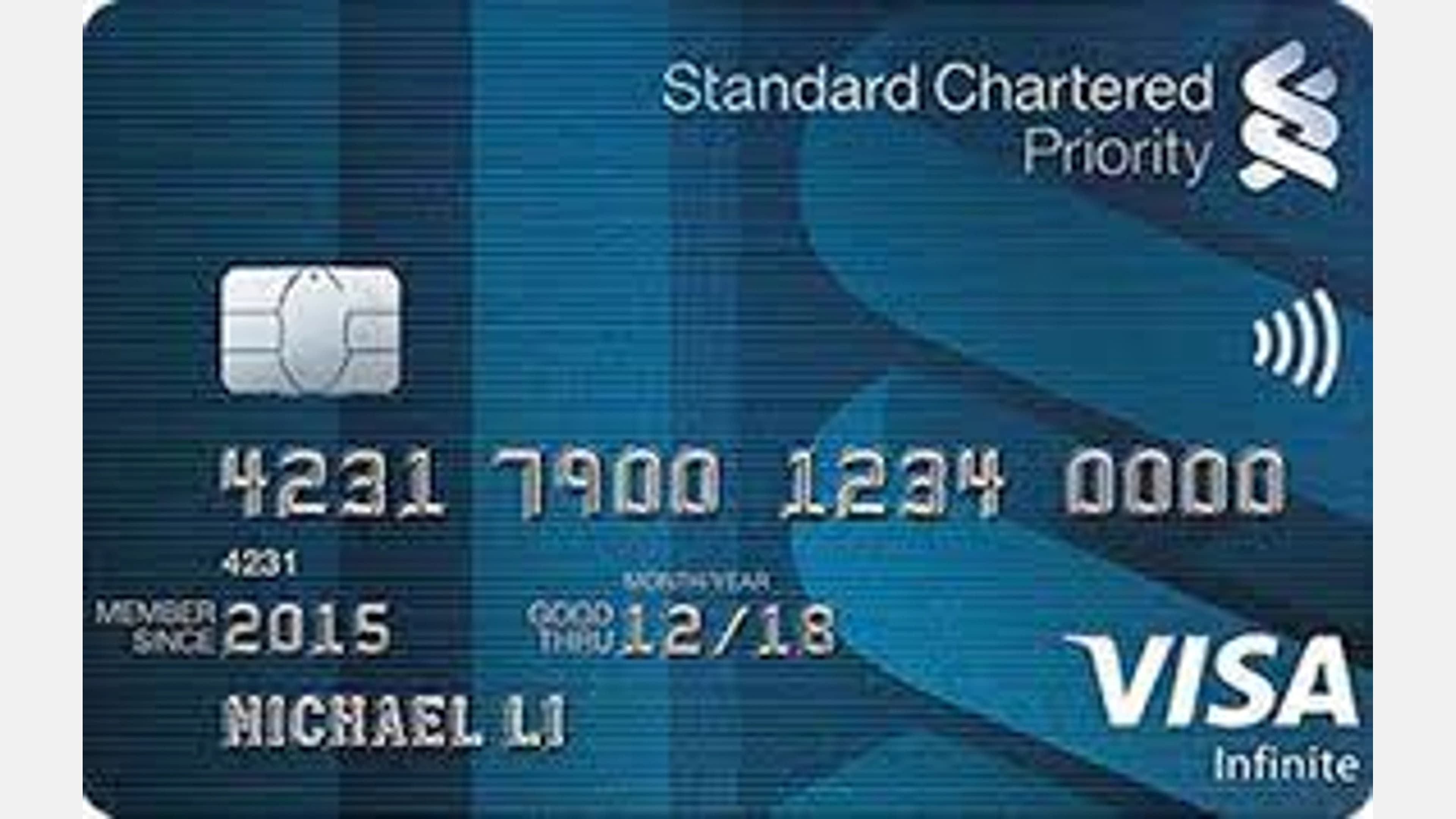
Standard Chartered Priority Banking credit card is the flagship premium card from Standard Chartered Bank India, designed for high-net-worth individuals and Priority Banking customers who demand unlimited lounge access, competitive forex rates, and the simplest possible rewards structure. The card's 1.5% reward rate on ALL spends with no category restrictions, caps, or conditions makes it one of the most straightforward premium rewards cards available. The unlimited complimentary domestic airport lounge access at 100+ airports in India through the Visa Lounge Access program is the card's standout feature. Unlike cards that cap lounge visits, the SC Priority Banking card provides truly unlimited access — making it indispensable for the frequent domestic traveller who flies multiple times per month. At ₹2,500 per lounge visit, even 30 visits per year would be worth ₹75,000 — 25x the annual fee. The 1.99% forex markup on international transactions is among the lowest available in India. For frequent international travellers spending ₹5 lakhs per year abroad, this saves approximately ₹7,550 compared to a card with 3.5% markup. The 6 complimentary international lounge visits through LoungeKey add further travel value. The card's Priority Banking positioning provides access to dedicated relationship managers, priority service at branches, and preferential rates on loans and deposits — the full suite of Standard Chartered's premium banking services. Complimentary travel insurance of ₹5 crores for air accidents and ₹2 lakhs for travel inconvenience provides comprehensive coverage for frequent flyers. The card requires a minimum annual income of ₹10 lakhs for salaried individuals and is available to Indian residents aged 21-65 years. Source: Standard Chartered Bank official website, updated May 2026.
| Feature | Details |
|---|---|
| Joining Fee | ₹1,000 |
| Annual Fee | ₹2,000 |
| Reward Rate | [object Object]% |
| Cashback Rate | 0% |
| Lounge Access | Yes |
The Standard Chartered Priority Banking from Standard Chartered Bank is a an annual fee of ₹2,000 credit card aimed at Indian consumers who want a clear rewards-plus-lifestyle proposition without paying for an invite-only metal card.
Who should consider the Standard Chartered Priority Banking
Pick the Standard Chartered Priority Banking if you are a salaried professional earning ₹8 LPA or more, or a self-employed applicant with a stable ITR history of two years or longer, and you typically spend ₹40,000–₹80,000 a month on retail purchases. The card's reward structure works best when the majority of your monthly swipe volume is concentrated in accelerated categories such as dining, groceries, fuel, or travel booked through the issuer's portal. Frequent flyers who already pay for at least four domestic lounge visits a year will get the most out of the included lounge access, while shoppers who use UPI for most transactions should be aware that most banks still cap reward points on UPI spends at a lower rate.
Who should look elsewhere
If you are an early-career professional with under ₹5 LPA in declared income, prefer a lifetime-free starter card (such as an entry-level RuPay variant) and revisit the Standard Chartered Priority Banking after one full financial year of stable income. Travellers who redeem most of their points for international flights will likely find a dedicated travel card with milestone-based foreign-currency benefits more rewarding. Finally, if you regularly carry a balance from month to month, the Standard Chartered Priority Banking (and credit cards in general) are an expensive borrowing tool at industry-standard 36–42% annualised interest — a small personal loan is almost always cheaper for sustained debt.
How we picked it for our shortlist
Our editorial team only considers cards whose issuers are RBI-licensed and publish their schedule of charges in the public domain. We score the Standard Chartered Priority Banking on five axes — annual fee versus benefits, reward rate, lounge and travel benefits, customer service responsiveness, and digital experience (mobile app, controls, instant card freeze). When the issuer changes pricing, we re-test the card and update this page within seven working days. The full methodology lives in our editorial policy.
Bottom line
The Standard Chartered Priority Banking is a sensible mid-tier rewards card for someone who pays their statement in full every month and uses the welcome benefit, lounge access, and accelerated rewards with intention. If your spending profile does not match the card's reward map, a more focused card will always deliver better net value.
| Feature | Standard Chartered Priority BankingStandard Chartered Bank | American Express Membership RewardsAmerican Express | Axis Bank AtlasAxis Bank | HDFC Bank Diners Club BlackHDFC Bank |
|---|---|---|---|---|
| Issuer | Standard Chartered Bank | American Express | Axis Bank | HDFC Bank |
| Joining Fee | ₹1,000 | ₹2,500 | ₹2,500 | ₹2,500 |
| Annual Fee | ₹2,000 | ₹4,500 | ₹5,000 | ₹10,000 |
| Interest Rate | — | — | — | — |
| Reward Rate | [object Object]% | [object Object]% | [object Object]% | [object Object]% |
| Lounge Access | Yes | Yes | Yes | Yes |
| Rating | — | — | — | — |
Have these ready before you start the online application. Most issuers verify digitally through CKYC and video-KYC, so physical copies are rarely needed.
Review the eligibility criteria above and ensure you meet the income and credit score requirements.
Click "Apply Now" and fill in your personal, income, and KYC details online.
The bank reviews your application and approves within 2–5 working days. Card arrives in 3–7 days.
If you spend ₹50,000/month on this card, EMI for ₹60,000 over 12 months ≈ ₹6,027.73/month at 36% p.a.
With over 100 credit cards on offer from HDFC, ICICI, SBI, and Axis Bank, picking the right one can feel overwhelming. This guide breaks down what actually matters — rewards rate, fee structure, fuel benefits, and lounge access — so you can find a card that saves you money, not costs it.
Two people with the same credit card can earn radically different rewards depending on where and how they swipe. This guide covers the strategies that top credit card users apply — from timing purchases to stacking bank offers with card rewards to reach 5-10% effective returns.
A credit card balance transfer lets you move high-cost credit card debt to another card with a lower interest rate — sometimes as low as 0% for the first 6-18 months. Done right, it can save you lakhs in interest. Done wrong, it traps you deeper in debt. Here is the complete guide.
Annual fees on premium credit cards can range from ₹500 to ₹10,000. Most cardholders don't realize these fees are almost always waivable. This guide explains exactly how fee waivers work, what spending thresholds to target, and how to negotiate a fee reversal after being charged.
Your feedback helps us improve this credit card page.